
Key Takeaways of This Article
- Overview of 100 lb grease trap and 50 lb models
- Differences in capacity, efficiency, and maintenance
- Application scenarios for restaurants, food processing, and industrial use
- Cost, ROI, and environmental compliance comparison
- Maintenance and operational best practices
- Installation, design, and operational considerations
- Industry standards and regulatory requirements
- Technological innovations in grease trap design
- Case studies demonstrating effectiveness
- Frequently asked questions about grease traps
Table of Contents
Introduction
Wastewater from kitchens and industrial facilities often contains high concentrations of fats, oils, and grease (FOG). If not properly treated, these substances can clog pipes, cause overflows, increase maintenance costs, and result in non-compliance with environmental regulations. Choosing the right grease trap is therefore more than an operational decision—it’s a critical investment in system reliability and environmental responsibility.
For facilities handling high-volume wastewater, a 100 lb grease trap offers significant advantages over smaller models like the 50 lb unit. From improved operational efficiency to long-term cost savings and regulatory compliance, understanding the differences can help facility managers make informed choices. This article provides a comprehensive guide to comparing 100 lb and 50 lb grease traps, including applications, maintenance, technological innovations, and real-world case studies.
What Is a 100 lb Grease Trap?
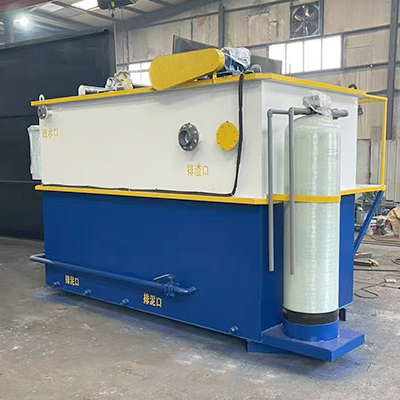
A 100 lb grease trap is a specialized wastewater pre-treatment device designed to separate large quantities of grease and oil from water before it enters the main sewer system. It protects infrastructure, reduces environmental risk, and ensures compliance with discharge regulations.
Core Function of a 100 lb Grease Trap
The primary function of a 100 lb grease trap is to intercept grease and oil, preventing them from entering downstream wastewater systems. By using gravity, filtration, and sometimes chemical or coalescence methods, it isolates oily substances and reduces operational risks.
How It Works
- Physical Separation: Grease rises to the surface of the trap while water continues to flow.
- Filtration: Captures solids that might otherwise clog pipelines.
- Chemical or Coalescence Treatment: Enhances separation efficiency for heavy or viscous oils.
Understanding the Differences Between 100 lb and 50 lb Models
Capacity and Flow Rate Comparison
| Feature | 50 lb Grease Trap | 100 lb Grease Trap |
|---|---|---|
| Maximum Grease Capacity | 50 lb | 100 lb |
| Daily Wastewater Volume | 500–1000 gallons | 1000–2000 gallons |
| Typical Applications | Small cafes, small commercial kitchens | Large restaurants, hotels, food processing plants |
| Maintenance Frequency | Weekly | Bi-weekly or monthly |
| Installation Size | Compact | Larger footprint, more space required |
Operational Implications
While 50 lb traps are suitable for small-scale operations, the 100 lb grease trap is ideal for high-traffic kitchens and industrial facilities. Reduced cleaning frequency, higher capacity, and enhanced regulatory compliance make the larger trap more efficient in the long term.
Cost vs ROI
Although a 100 lb grease trap requires a higher upfront investment, the long-term return on investment often outweighs the initial cost. Benefits include fewer maintenance interruptions, lower risk of plumbing issues, and reduced operational labor.
Applications of 100 lb Grease Trap
Restaurant and Catering Industry
Large restaurants, hotels, and catering operations produce significant FOG. A 100 lb grease trap handles peak flows efficiently, preventing clogs and protecting municipal sewer systems.
Food Processing Plants
Meat, dairy, bakery, and snack production generate viscous wastewater requiring high-capacity grease traps. Pre-treatment prevents damage to downstream filtration and treatment units.
Petrochemical and Industrial Use
Some industrial operations produce oily effluents similar to kitchen wastewater. A 100 lb trap ensures compliance, protects pumps and pipelines, and reduces environmental liability.
Commercial Kitchens and Centralized Facilities
Schools, hospitals, stadiums, and event centers benefit from large-capacity traps to manage simultaneous high-volume discharges.
Technological Innovations in Grease Trap Design
Advanced Separation Methods
Modern 100 lb grease traps often include:
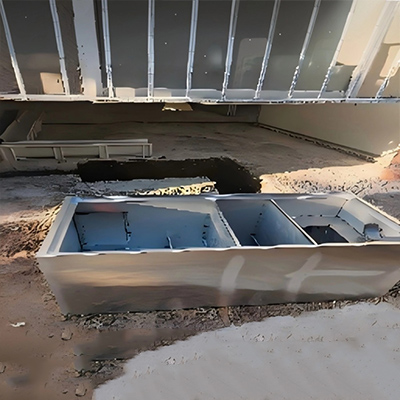
- Multi-chamber design to increase retention time and improve separation
- Enhanced baffle systems to reduce turbulence and prevent grease carryover
- Automated skimming to remove grease layer and reduce manual labor
Smart Monitoring Systems
- Sensors detect grease levels in real-time
- Automated alerts when cleaning is required
- Data tracking for compliance reporting
Energy and Water Efficiency
Some advanced traps are designed to minimize water use during flushing and cleaning cycles, reducing environmental impact and operating costs.
Maintenance and Best Practices
Cleaning Frequency
A 100 lb grease trap usually requires cleaning every 2–4 weeks depending on wastewater load. In contrast, a 50 lb trap may require weekly maintenance under high-volume conditions.
Operational Tips
- Remove solids and grease buildup regularly
- Inspect inlet and outlet flow for blockages
- Schedule periodic professional inspection
- Use cleaning agents compatible with trap materials
Maintenance Cost Comparison
| Item | 50 lb Grease Trap | 100 lb Grease Trap |
|---|---|---|
| Cleaning Labor Hours | 2–3 per week | 2–3 per month |
| Maintenance Supplies | Moderate | Lower per volume |
| Risk of Emergency Repairs | High | Low |
| Operational Downtime | Frequent | Rare |
Installation Considerations
Space Requirements
A 100 lb grease trap requires more installation space than a 50 lb model. Facility managers must plan for access, maintenance, and compliance with local codes.
Integration with Wastewater Systems
Properly sizing the trap relative to the volume of wastewater ensures optimal performance and prevents system backups.
Regulatory Compliance and Environmental Standards
Importance of Compliance
Municipal and national regulations require grease traps to prevent sewer blockages and protect water quality. Non-compliance can result in fines, legal liabilities, and environmental damage.
Advantages of 100 lb Models
- Handles peak flows without overflow
- Reduces risk of discharge violations
- Facilitates easier record-keeping and reporting for audits
Reference Standards
- NSF/ANSI Standard 182 for grease interceptors
- Local municipal codes for FOG discharge limits
- Environmental Protection Agency (EPA) guidance on wastewater pre-treatment
Real-World Case Studies
Case Study 1: Large Hotel Kitchen
A metropolitan hotel installed a 100 lb grease trap to handle high-volume breakfast and banquet services. Result:
- 50% reduction in manual cleaning frequency
- No blockages in downstream pipes for 18 months
- Full compliance with city wastewater standards
Case Study 2: Food Processing Plant
A dairy processing facility switched from 50 lb to 100 lb traps for whey and fat separation:
- Significant reduction in FOG levels entering municipal systems
- Improved operational uptime of wastewater treatment equipment
- Positive environmental inspection reports
Case Study 3: Petrochemical Facility
Installation of a 100 lb trap to manage oily process water:
- Reduced risk of equipment corrosion
- Easier maintenance scheduling
- Regulatory compliance ensured under industrial wastewater permits
Comparing 100 lb and 50 lb Models Side by Side
| Aspect | 50 lb Grease Trap | 100 lb Grease Trap | Recommendation |
|---|---|---|---|
| Volume Capacity | Low | High | High-traffic kitchens or industrial use |
| Maintenance | Frequent | Less Frequent | 100 lb reduces labor and downtime |
| Installation Footprint | Small | Larger | Ensure adequate space for 100 lb |
| Initial Cost | Lower | Higher | ROI better for high-volume users |
| Compliance | Moderate | High | 100 lb ensures regulatory adherence |
| Operational Efficiency | Moderate | High | Larger trap handles peak flows better |
FAQ
Q1: Can a 50 lb grease trap handle a busy restaurant?
A1: Usually not. High-volume kitchens require 100 lb grease traps to prevent frequent blockages and maintenance issues.
Q2: How often should a 100 lb grease trap be cleaned?
A2: Cleaning is typically every 2–4 weeks, depending on wastewater volume and grease accumulation.
Q3: Are there alternatives to grease traps?
A3: Yes. Oil-water separators or automated skimmer systems are available but are usually more complex or costly.
Q4: Does a larger trap save money over time?
A4: Yes. Reduced cleaning frequency, fewer plumbing problems, and lower labor costs make larger traps cost-effective in high-volume environments.
Q5: Which industries benefit most from 100 lb grease traps?
A5: Large restaurants, food processing plants, hotels, hospitals, and industrial facilities with high FOG loads.
Q6: Can a 100 lb trap handle chemical-laden industrial wastewater?
A6: Yes, especially when designed with chemical-resistant materials and integrated with industrial pre-treatment systems.
Conclusion
Choosing between a 100 lb grease trap and a 50 lb model depends on your facility’s wastewater volume, operational demands, and regulatory requirements.
- 100 lb grease traps excel in high-volume scenarios, providing reduced maintenance, regulatory compliance, and infrastructure protection.
- 50 lb traps may suffice for smaller kitchens or low FOG loads.
Investing in the right grease trap ensures efficiency, cost savings, and environmental responsibility. For facilities with substantial wastewater or industrial effluent, a 100 lb trap is often the superior choice, offering operational stability and long-term value.