
Introduction
If 2025 was the year when governments began tightening medical waste regulations, 2026 will be the year when enforcement becomes unavoidable. Hospitals, laboratories, and waste management companies are no longer allowed to “manage waste quietly”—the public, regulators, and investors demand transparency, safety, and environmental responsibility.
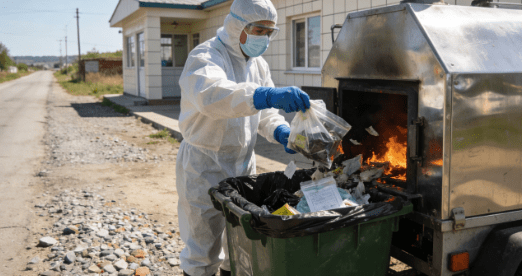
The biggest shift in 2026 is the new focus on emissions control, continuous monitoring, and lifecycle management. This is especially true for incineration medical waste, which remains the most reliable method for destroying pathogens, pharmaceuticals, and chemical residues. But it also means that incineration systems must meet higher standards than ever before.
In this guide, you will learn:
- What the 2026 rules require
- How incineration works and why it remains necessary
- How to choose compliant equipment and suppliers
- Real-world examples and data
- A practical buyer checklist and FAQ
Table of Contents
What Are the 2026 Rules for Incineration Medical Waste?
Stricter Emission Standards and Environmental Compliance
In 2026, environmental agencies are enforcing stricter emission limits for incinerators, especially for:
- Dioxins and furans
- Particulate matter (PM2.5 and PM10)
- Heavy metals (mercury, lead, cadmium)
- Acid gases (SO₂, HCl, HF)
- Carbon monoxide and volatile organic compounds (VOCs)
These limits are not only numerical—they also require continuous monitoring and real-time reporting.
Real-Time Monitoring and Reporting Requirements
Modern incinerators must be equipped with Continuous Emissions Monitoring Systems (CEMS) that track:
- Flue gas temperature
- Oxygen concentration
- CO, CO₂, NOx, SO₂ levels
- Dioxins and particulate emissions (in some regions)
In many jurisdictions, operators must also provide daily logs that include:
- Waste types
- Waste quantity
- Combustion temperature
- Residence time
- Maintenance and inspection records
Safety and Worker Protection Standards
2026 rules emphasize operator safety. Hospitals and waste facilities must:
- Implement PPE protocols
- Maintain fire suppression systems
- Provide emergency response plans
- Conduct monthly safety drills
These requirements are no longer optional—they are part of compliance audits.
The Science Behind Incineration Medical Waste
What Happens During Incineration?
Incineration uses high-temperature combustion to convert waste into:
- Carbon dioxide (CO₂)
- Water vapor (H₂O)
- Sterile ash
The core principle is thermal oxidation—a chemical reaction in which organic matter is converted into stable end products through heat and oxygen.
Key Conditions for Complete Incineration
To ensure full oxidation and pathogen destruction, the incineration process must meet three conditions:
- Temperature: 850–1200℃
- Residence time: enough time for complete oxidation
- Oxygen supply: adequate to avoid incomplete combustion
If any of these conditions fail, incomplete combustion can produce toxic byproducts, including dioxins and CO.
Why High Temperature Matters
At temperatures above 850℃, most biological organisms cannot survive. Pathogens, viruses, and bacteria are destroyed within seconds. This is why incineration is considered the most reliable method for treating:
- Infectious waste
- Pharmaceutical waste
- Chemical waste
- Sharps and surgical residues
Concept Guide: Core Terms You Must Understand
Thermal Oxidation
Thermal oxidation is the scientific term for burning waste at high temperature to break down organic matter. It is the fundamental principle behind incineration medical waste.
Residue and Ash
After incineration, waste volume is reduced by up to 90%, and weight by about 70%. The remaining ash is sterile but may contain heavy metals, which require careful disposal.
Emission Control Systems
Modern incinerators use scrubbers, filters, and catalytic systems to reduce emissions. This is essential for meeting 2026 regulations.
Lifecycle Management
Lifecycle management means monitoring the entire process from waste generation to final ash disposal. It includes:
- Waste sorting
- Combustion
- Emissions monitoring
- Ash disposal
Incineration vs Alternatives (Comparison Section)
Incineration vs Autoclave
| Feature | Incineration | Autoclave |
|---|---|---|
| Pathogen destruction | Complete | Effective but limited |
| Volume reduction | Up to 90% | Moderate |
| Waste types | Infectious + pharmaceutical + chemical | Mostly infectious only |
| Emission concerns | High | Low |
| Compliance difficulty | High | Moderate |
Incineration vs Microwave Treatment
Microwave treatment is often used for small hospitals and clinics. However, it cannot fully destroy pharmaceuticals or chemical waste. Incineration remains the only method capable of complete destruction.
Incineration vs Landfill
Landfill disposal is no longer acceptable for infectious and pharmaceutical waste. It poses high risks of contamination and environmental damage.
Real-World Cases and Data (2026 Outlook)
Hospital Case Study: High-Volume Waste Treatment
A typical 1,000-bed hospital produces about 2–3 tons of medical waste per day. For such facilities, incineration is often the only feasible solution for:
- Sterilization
- Volume reduction
- Safe disposal
Example: In 2024, a major hospital in China reported that their incineration system reduced waste volume by 88%, with ash output controlled and safely disposed of through licensed hazardous waste channels.
Laboratory Case Study: Chemical and Biohazard Waste
Research labs handling infectious agents and chemical reagents generate waste that cannot be safely treated by autoclaving. Incineration is required for:
- Genetically modified organisms (GMOs)
- Chemical reagents
- Hazardous biological waste
A university lab in 2025 reported that incineration reduced their hazardous waste volume by up to 90%, making final disposal safer and more cost-effective.
Rural Clinic Case Study: Mobile Incinerators
Remote areas often lack centralized waste systems. Mobile incinerators provide:
- On-site disposal
- Reduced transport risks
- Compliance with regulations
In a rural district in Southeast Asia, a mobile incinerator reduced waste transport costs by 35%, while meeting local emission standards.
Buyer’s Guide: How to Choose a Compliant Incineration Partner
What Buyers Must Evaluate
When purchasing an incinerator, buyers should evaluate:
- Emission control performance
- Combustion temperature stability
- Automation and monitoring systems
- Maintenance and service network
- Compliance support
- After-sales training and spare parts
Why Supplier Reputation Matters
Medical waste incineration is not just a machine purchase—it is a compliance and public health investment. Choosing a reputable supplier reduces risk and ensures long-term operation.
Key Equipment Features for 2026 Compliance
- CEMS and real-time monitoring
- Dual-chamber combustion
- Advanced scrubbers and filters
- Automated temperature and oxygen control
- Remote diagnostics and support
Product Spotlight: Shandong Lushun Environmental Technology Incinerator
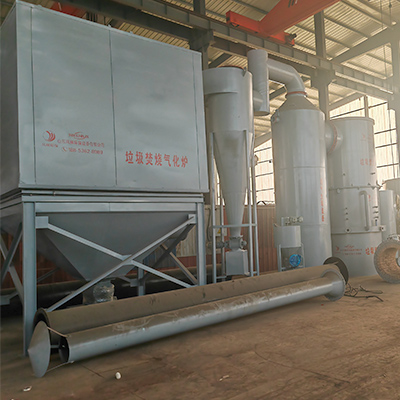
Shandong Lushun Environmental Technology Co., Ltd. provides advanced medical waste incinerators designed for:
- Hospitals
- Laboratories
- Pharmaceutical plants
- Veterinary clinics
- Rural and mobile healthcare units
Why Their Incinerator Is a Strong Choice
Their medical waste incinerator uses:
- 850–1200℃ thermal oxidation
- Precise control of temperature, time, and oxygen
- Conversion of waste into CO₂ + H₂O + ash
- High efficiency and pathogen elimination
Product Advantages
- Complete sterilization
- Safe detoxification of pharmaceuticals
- Volume reduction up to 90%
- Compatibility with emission control systems
- Strong after-sales service and global shipping
Product Specifications
| Specification | Value |
|---|---|
| Machine Dimensions | 12000mm × 3100mm × 3800mm |
| Machine Weight | 68000kg |
| Packaging Dimensions | 11500mm × 2600mm × 2400mm |
| Packaging Weight | 72000kg |
| Lifting Method | Mechanical lifting |
ROI and Commercial Viability Considerations
Revenue Potential for Waste Treatment Operators
In many regions, medical waste disposal is a regulated and fee-based service. Incineration facilities can charge $500–$1,500 per ton, depending on region and waste type. This makes incineration a potentially profitable service if operated efficiently.
Cost Recovery Timeline
A well-managed incineration facility can recover its initial investment in 2–4 years, depending on:
- Waste volume
- Local disposal fees
- Operational costs
- Maintenance and compliance expenses
How to Reduce Operating Costs
To reduce operating costs, operators can:
- Use energy recovery systems
- Improve combustion efficiency
- Reduce downtime with preventive maintenance
- Optimize waste sorting
Maintenance and Longevity: How to Keep Your Incinerator Working for Years
Daily Maintenance Checklist
- Check combustion temperature
- Inspect fuel supply and burners
- Clean ash removal systems
- Check air intake filters
Weekly Maintenance Checklist
- Inspect combustion chamber lining
- Verify safety sensors and alarms
- Check exhaust ducts and scrubber systems
- Clean surfaces and remove dust
Monthly Maintenance Checklist
- Inspect pivot points and moving parts
- Check cable tension and control systems
- Lubricate mechanical components
- Test emergency shutdown systems
Annual Maintenance Checklist
- Full inspection of frame and welds
- Replace worn parts
- Verify emission monitoring systems
- Conduct professional calibration
How to Manage Emissions and Compliance in 2026
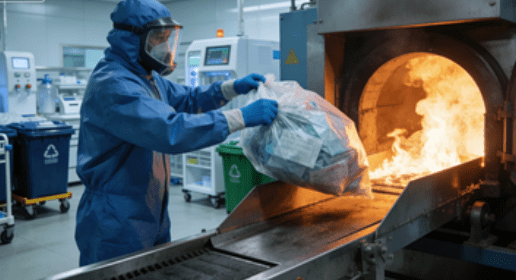
Emission Control Best Practices
- Install high-efficiency scrubbers and bag filters
- Use catalytic systems for dioxin reduction
- Ensure proper flue gas temperature and oxygen levels
- Use continuous monitoring systems
Data Transparency and Reporting
For compliance, you must be able to provide:
- Daily operation logs
- Emission reports
- Maintenance records
- Waste volume records
External Audit Readiness
Many facilities undergo third-party audits. Being audit-ready means:
- Documented SOPs
- Traceable waste records
- Verified monitoring systems
- Certified staff training
Conclusion
In 2026, incineration medical waste remains a vital technology for safe disposal. With stricter regulations and higher environmental expectations, only advanced, compliant systems can meet the demand. For buyers and operators, the key is to choose equipment that offers high-temperature combustion, robust emission control, and strong monitoring systems.
Shandong Lushun Environmental Technology provides a practical and compliant solution for medical waste incineration, offering high performance, global shipping, and reliable support. For hospitals, laboratories, and waste management companies looking for a long-term partner, their incinerator systems are a strong choice.
FAQ
What is incineration medical waste and why is it important?
Incineration medical waste is the process of burning medical waste at high temperatures to destroy pathogens and reduce volume. It is important because it safely eliminates infectious and chemical hazards.
Is incineration medical waste safe for the environment?
Modern incinerators with advanced emission control systems can meet strict environmental standards. Proper operation and monitoring are key to safety.
What are the 2026 rules for medical waste incineration?
The 2026 rules focus on stricter emission limits, real-time monitoring, and stronger safety standards for operators.
How do I choose the best incineration system for my hospital?
Look for high-temperature combustion, reliable emission control, and strong after-sales support. Choosing a reputable supplier is essential.
What are the key costs associated with incineration medical waste?
Costs include equipment purchase, installation, fuel, labor, maintenance, and emission control systems. Regulatory compliance also adds operational costs.
How do I reduce the operating cost of an incinerator?
Improve combustion efficiency, optimize waste sorting, implement preventive maintenance, and consider energy recovery systems.