

Table of Contents
Introduction
Food processing wastewater represents one of the most critical environmental and operational challenges in the food industry. Facilities such as dairy plants, meat processing factories, beverage production units, and restaurants generate large volumes of wastewater containing organic matter, fats, oils, suspended solids, detergents, and chemical residues. If not properly treated, this wastewater can cause severe environmental damage, increase regulatory compliance risks, and affect the efficiency of water use within the facility.
Modern food production requires not only compliance with environmental laws but also operational efficiency and sustainability. Advanced wastewater treatment systems are no longer optional; they have become essential components of industrial production lines. Integrated systems combine pre-treatment, biological treatment, and advanced polishing technologies, ensuring that discharged water meets environmental standards or can be safely reused within the production process.
Controlling food processing wastewater effectively is crucial for minimizing environmental impact, reducing operational costs, and enhancing the overall sustainability of food manufacturing. This article explores the three essential steps for food processing wastewater control, offering practical strategies, technological insights, and regulatory considerations for food industry professionals.
Step 1: Pre-Treatment Strategies for Food Processing Wastewater
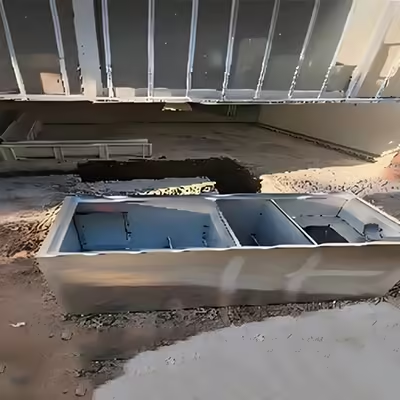
Pre-treatment is the first and arguably most important step in managing food processing wastewater. Its primary purpose is to remove large debris, fats, oils, and grease that could otherwise damage downstream treatment equipment, reduce efficiency, or cause system blockages.
Key Pre-Treatment Techniques:
Screening
Screening involves removing large solid materials such as packaging fragments, vegetable waste, and coarse particles. Screens may vary in size from coarse to fine and can be static or automated. Automated screens with continuous cleaning mechanisms are particularly effective in high-volume facilities, reducing manual intervention and maintenance requirements.
Oil and Grease Separation
Oil and grease separators use gravity or flotation techniques to separate lighter substances from wastewater. In food processing, fats and oils can create significant challenges by forming layers that clog equipment or interfere with biological treatment. Regular removal ensures system longevity and operational efficiency.
Sedimentation and Grit Removal
Sedimentation tanks allow suspended solids and heavier particles to settle at the bottom, preventing them from entering pumps or membrane systems. Grit chambers remove sand, eggshells, or bone fragments commonly found in meat and poultry processing plants. This step minimizes equipment abrasion and enhances the lifespan of biological and filtration systems.
Flow Equalization
Food processing wastewater volumes fluctuate significantly depending on production cycles. Flow equalization tanks temporarily store wastewater and release it at a controlled rate, ensuring that downstream treatment systems operate efficiently and consistently.
By implementing these pre-treatment measures, facilities reduce the risk of equipment damage, enhance the efficiency of biological and membrane treatment stages, and achieve better long-term operational stability.
Step 2: Biological Treatment of Food Processing Wastewater
After pre-treatment, biological treatment becomes the central mechanism for reducing organic load and improving water quality. Microorganisms play a key role in breaking down biodegradable substances, converting pollutants into harmless byproducts such as water, carbon dioxide, and biomass.
Common Biological Treatment Technologies:
Activated Sludge Systems
Aerobic bacteria degrade organic matter in the presence of oxygen. Proper aeration and mixing ensure that microbes efficiently process biochemical oxygen demand (BOD) and chemical oxygen demand (COD). Advanced systems often incorporate sensors that continuously monitor dissolved oxygen, temperature, and pH, automatically adjusting aeration to optimize microbial activity.
Anaerobic Digestion
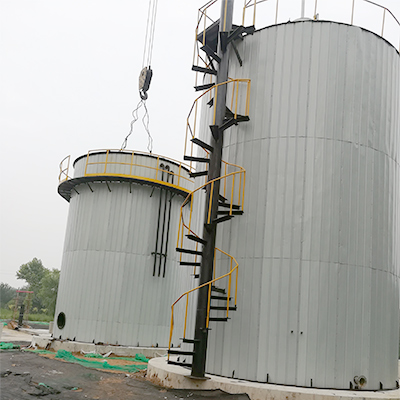
Anaerobic systems function without oxygen, relying on specialized microbes to break down organic matter. One major advantage is the production of biogas, which can be captured and used as an energy source, improving energy efficiency and sustainability.
Sequencing Batch Reactors (SBRs)
SBRs combine aeration and sedimentation cycles, allowing for high flexibility and precise control of wastewater treatment. They are particularly effective in facilities with variable wastewater composition, enabling consistent removal of organics and nitrogen.
Biofilm Systems
Fixed-film reactors, such as moving bed biofilm reactors (MBBR), support microbial growth on carrier materials. These systems increase biomass concentration, enhance degradation efficiency, and reduce footprint requirements compared to traditional activated sludge systems.
Benefits of Biological Treatment:
- Reduction of BOD, COD, and nitrogen content
- Lower environmental impact through organic matter decomposition
- Support for water reuse or safe discharge
- Cost-effective for high-volume, continuous wastewater flows
Biological treatment requires careful monitoring. Overloading systems or sudden changes in wastewater composition can lead to reduced microbial efficiency, requiring adaptive control strategies to maintain treatment performance.
Step 3: Membrane Filtration and Advanced Polishing
Membrane filtration serves as the final polishing step in modern food processing wastewater control. This stage ensures that fine particles, residual organics, and pathogens are removed, producing water of high quality suitable for reuse or safe environmental discharge.
Common Membrane Technologies:
- Ultrafiltration (UF): Removes suspended solids, colloids, and larger microorganisms.
- Nanofiltration (NF): Targets dissolved organic matter, some salts, and small organic molecules.
- Reverse Osmosis (RO): Produces high-purity water by removing nearly all dissolved solids, salts, and pathogens.
Advantages of Membrane Filtration:
- Produces water suitable for non-potable reuse, such as cleaning, cooling, or irrigation
- Ensures compliance with regulatory standards for discharge
- Compact design reduces space requirements compared to large sedimentation or lagoon systems
- Can be integrated with pre-treatment and biological stages for optimized three-stage treatment
Integrated Treatment Systems for Food Processing Wastewater
Modern food processing facilities often use integrated systems combining pre-treatment, biological treatment, and membrane filtration. These systems provide multiple advantages:
| Treatment Stage | Purpose | Target Contaminants | Typical Efficiency |
|---|---|---|---|
| Pre-Treatment | Remove large solids, fats, grease | Food debris, oil, sand | 60–80% |
| Biological Treatment | Degrade organics using microbes | BOD, COD, nitrogen | 70–95% |
| Membrane Filtration | Final polishing and pathogen removal | TSS, bacteria, residual organics | 95–99% |
Integrated systems are often automated, featuring real-time monitoring of pH, temperature, turbidity, and dissolved oxygen. Automation reduces labor, ensures consistent treatment, and allows operators to respond quickly to variable wastewater characteristics.
Operational and Maintenance Considerations
To ensure consistent performance, food processing wastewater systems require proper operational protocols:
- Regular inspection and cleaning of pre-treatment equipment
- Monitoring microbial health and activity in biological reactors
- Maintaining membrane systems, preventing fouling, and scheduling timely replacement
- Implementing flow equalization strategies for variable wastewater volumes
- Using smart sensors and automatic control systems to maintain optimal treatment conditions
By following these operational practices, facilities can maximize system efficiency, extend equipment lifespan, and reduce energy consumption.
Environmental and Regulatory Benefits

Proper food processing wastewater control brings multiple benefits:
- Ensures compliance with strict environmental regulations
- Reduces pollutant discharge into natural water bodies
- Enables water reuse, reducing fresh water consumption and operating costs
- Enhances corporate social responsibility and public image
- Supports sustainable and green production initiatives
Water reuse applications can include cooling systems, cleaning operations, and irrigation, contributing to overall environmental sustainability.
Conclusion
Food processing wastewater control is essential for sustainable and efficient food production. By following the three essential steps—pre-treatment, biological treatment, and membrane filtration—facilities can remove contaminants effectively, comply with regulations, and enable water reuse.
Integrated treatment systems with automation, low energy consumption, and easy maintenance allow for consistent high-quality treatment while reducing operational costs. Implementing these strategies protects the environment, enhances productivity, and promotes green manufacturing practices in the food industry.
FAQ
1. What is the first step in food processing wastewater control?
Pre-treatment, which removes large solids, fats, and oils to protect downstream treatment systems.
2. How does biological treatment improve water quality?
Microorganisms degrade organic matter, reduce BOD/COD, and prepare water for further polishing.
3. Why is membrane filtration important?
It removes fine suspended solids, pathogens, and residual organics, ensuring high-quality water for discharge or reuse.
4. Can treated wastewater be reused in food processing?
Yes, it can be reused for cleaning, cooling, irrigation, or other non-potable applications, reducing fresh water consumption.
5. How can facilities maintain system performance?
Regular maintenance, monitoring microbial activity, membrane care, and automated controls are essential for consistent treatment efficiency.