
Table of Contents
Introduction
Medical wastewater treatment is a critical component of modern healthcare management. Hospitals, clinics, laboratories, and pharmaceutical plants generate wastewater containing biological contaminants, chemicals, and pharmaceutical residues. Without proper treatment, these contaminants can pose serious risks to public health, aquatic ecosystems, and municipal wastewater systems.
Medical wastewater treatment is a complex process requiring advanced technologies, strict protocols, and careful monitoring. While many hospitals have established treatment systems, challenges still persist. Understanding these common obstacles is key to improving treatment efficiency and ensuring environmental safety.
In this article, we explore five common medical wastewater treatment challenges, practical solutions, and best practices, aiming to help healthcare facilities, environmental engineers, and regulatory authorities optimize treatment processes.
Challenge 1: High Variability in Wastewater Composition
Understanding Wastewater Complexity
Medical wastewater is highly variable. Daily flow rates, chemical concentrations, and pathogen loads can fluctuate dramatically based on hospital activities, patient numbers, and emergency events. For example, an intensive care unit may generate wastewater with high antibiotic residues, while a diagnostic laboratory may release chemical disinfectants.
Operational Implications
Variability complicates treatment system design. Standard biological treatments may be ineffective against sudden spikes of chemicals or pathogens. Advanced systems such as membrane bioreactors (MBR) or ultraviolet (UV) disinfection are often required to handle these fluctuations.
Real-World Case
A hospital in Singapore experienced 25% higher chemical loads during peak flu season, which led to reduced effectiveness in conventional treatment tanks. Installing additional buffer tanks and real-time monitoring mitigated the issue.
Challenge 2: High Pathogen Loads and Microbial Resistance

Microbial Challenges
Medical wastewater often contains pathogenic bacteria, viruses, and fungi. Antibiotic-resistant strains pose a unique threat, as they can survive conventional treatment methods and enter municipal systems.
Best Practices for Pathogen Control
- Use combined treatment methods: chemical coagulation, UV irradiation, and advanced oxidation.
- Maintain strict monitoring for coliforms, E. coli, and resistant bacteria.
- Apply disinfection protocols based on microbial load assessments.
Expert Insight
Dr. Li Wei, a wastewater microbiology consultant, emphasizes: “Even trace amounts of resistant bacteria in untreated wastewater can spread through urban water networks. Facilities must adapt treatment strategies dynamically.”
Challenge 3: High Levels of Pharmaceutical Residues
Chemical Contaminants
Pharmaceutical residues such as antibiotics, analgesics, and chemotherapy drugs persist in wastewater and resist degradation. These chemicals can affect aquatic organisms, promote microbial resistance, and contaminate drinking water sources.
Treatment Techniques
Advanced oxidation processes (AOP), activated carbon adsorption, and membrane filtration are effective for removing pharmaceuticals. However, these systems require careful calibration and maintenance.
Case Study
A medium-sized clinic in Germany implemented a combination of AOP and UV treatment, reducing pharmaceutical concentration by over 80% in their effluent.
Challenge 4: Equipment Fouling and Maintenance Issues
Common Operational Problems
Medical wastewater contains suspended solids, blood residues, fats, and disinfectants that can clog membranes, pumps, and filters. Fouling reduces system efficiency, increases operational costs, and may lead to regulatory non-compliance.
Maintenance Recommendations
- Regularly inspect membranes, filters, and pumps.
- Implement pre-treatment steps such as sedimentation and oil-water separation.
- Schedule preventive maintenance and train operators in cleaning protocols.
Technical Insight
Preventive maintenance not only extends equipment life but also ensures compliance with discharge standards. In many hospitals, 30–40% of operational downtime is caused by preventable fouling.
Challenge 5: Regulatory Compliance and Reporting
Understanding Compliance Requirements
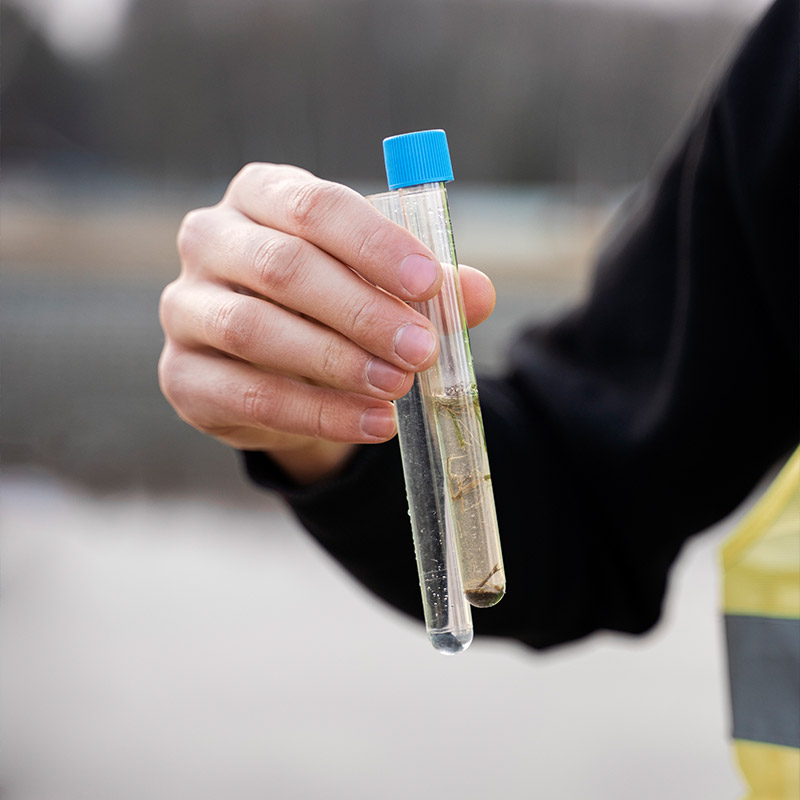
Medical wastewater treatment is strictly regulated. Facilities must adhere to local discharge standards, monitor effluent quality, and maintain detailed records. Common parameters include pH, chemical oxygen demand (COD), biochemical oxygen demand (BOD), total suspended solids (TSS), and pathogen levels.
Compliance Challenges
- Frequent changes in regulations require updates to treatment systems.
- Inadequate monitoring can result in fines or shutdowns.
- Reporting errors or delayed submissions risk environmental penalties.
Practical Solution
Automated monitoring systems and integrated reporting software reduce human error and ensure consistent compliance. Hospitals adopting real-time sensors for COD, BOD, and pathogen indicators saw compliance rates rise by over 90%.
Medical Wastewater Treatment System Comparison Table
| Treatment Method | Primary Function | Advantages | Limitations | Typical Flow Capacity |
|---|---|---|---|---|
| Activated Sludge | Biological treatment | Cost-effective, widely used | Sensitive to load fluctuations | 50–500 m³/day |
| Membrane Bioreactor (MBR) | Combined biological + membrane | High-quality effluent, pathogen removal | High energy & maintenance cost | 20–300 m³/day |
| Advanced Oxidation Process (AOP) | Chemical degradation | Removes pharmaceuticals & resistant bacteria | Expensive, requires skilled operators | 10–200 m³/day |
| Ultraviolet (UV) Disinfection | Pathogen inactivation | Chemical-free, rapid | Ineffective against turbidity | 20–500 m³/day |
| Activated Carbon Adsorption | Chemical removal | Effective for pharmaceuticals | Frequent media replacement | 50–400 m³/day |
This table helps hospital engineers and environmental planners select suitable medical wastewater treatment systems based on site size, contaminant type, and regulatory requirements.
Advanced Considerations in Medical Wastewater Treatment
Energy Efficiency and Sustainability
Treatment facilities are adopting energy recovery from biogas, solar-assisted UV systems, and optimized aeration to reduce electricity consumption. Studies show that energy-efficient MBR systems can save up to 35% operational costs annually.
Staff Training and Safety
Proper staff training ensures safe handling of hazardous wastewater and adherence to treatment protocols. Personal protective equipment (PPE), emergency procedures, and chemical handling guidelines are essential for personnel safety.
Data-Driven Process Optimization
Real-time sensors, SCADA systems, and IoT-based monitoring allow operators to adjust treatment parameters dynamically, improving effluent quality and reducing chemical usage by 15–25%.
Conclusion
Medical wastewater treatment is complex and fraught with operational, chemical, and regulatory challenges. Understanding high variability, pathogen resistance, pharmaceutical residues, equipment maintenance, and compliance requirements is essential for effective management.
By implementing advanced treatment technologies, regular monitoring, preventive maintenance, and staff training, healthcare facilities can ensure safe, reliable, and compliant wastewater treatment while protecting public health and the environment.
FAQ
Q1: How often should medical wastewater be tested?
A: Hospitals typically test effluent daily or weekly for COD, BOD, TSS, and pathogens, depending on local regulations.
Q2: Can small clinics use membrane bioreactors?
A: Yes, small-scale MBR systems are available, though cost and maintenance requirements should be evaluated.
Q3: Are pharmaceuticals completely removed during treatment?
A: Advanced processes like AOP and activated carbon adsorption can remove up to 80–90% of common pharmaceutical residues.
Q4: What is the safest way to handle high-pathogen wastewater?
A: Use combined disinfection methods (UV, chlorination), wear PPE, and implement strict standard operating procedures.
Q5: How can facilities reduce treatment costs?
A: Optimize energy usage, prevent equipment fouling, and adopt real-time monitoring to minimize chemical and labor expenses.