
Table of Contents
Introduction
In today’s fast-evolving industrial landscape, selecting the right filter press supplier is more than just a procurement decision—it can make or break your operation. Industrial filtration, wastewater management, chemical processing, and mining industries rely heavily on efficient and durable filter press systems. Choosing a supplier that delivers quality equipment, expert guidance, and reliable after-sales service directly impacts productivity, cost-efficiency, and compliance with environmental regulations.
As companies invest heavily in filtration systems, understanding how to evaluate a filter press supplier becomes critical. This guide unveils the 5 essential rules for selecting a trusted supplier in 2026, backed by industry insights, verified data, and expert opinions. Whether you’re upgrading existing equipment or installing a new system, these rules help ensure your investment pays off for decades.
Rule 1: Verify Product Quality and Certification
Product quality remains the number one benchmark when evaluating any filter press supplier. In industrial filtration, equipment durability, safety, and reliability often define the overall output efficiency of an operation. A competent filter press supplier should strictly comply with international manufacturing and quality control standards such as ISO 9001, CE, and when applicable, ASME requirements for pressure vessels. These certifications confirm that the equipment has passed structured testing and that the supplier follows standardized production protocols that ensure consistent performance.
Material Quality
The lifespan of a filter press largely depends on the materials selected during production. A trustworthy filter press supplier will always emphasize the importance of material strength, resistance, and compatibility with specific industrial environments. Key material choices include:
- Polypropylene Filter Plates
Lightweight, chemical-resistant, and ideal for corrosive industrial processes. They also reduce operating weight, enhancing hydraulic performance. - Stainless Steel Frames
Offer exceptional resistance to corrosion, weather exposure, and harsh slurry conditions. They provide superior structural stability for long-term industrial applications. - High-Pressure Hydraulic Systems
Essential for faster filtration cycles, uniform cake formation, and overall operational consistency. High-quality hydraulic systems significantly lower the risk of downtime.
Expert Opinions
Dr. Angela Meyers, a well-known consultant with two decades of global filtration experience, emphasizes:
“Equipment quality determines operational efficiency. Even slight plate misalignment or inconsistent hydraulic output can reduce throughput by 15–20%, directly affecting profitability.”
Her perspective is echoed by numerous industry engineers who stress that the initial choice of a reliable filter press supplier directly impacts long-term performance.
Industry Data
A comprehensive survey conducted across 120 industrial facilities in Europe and North America revealed:
- 72% of filtration equipment failures originated from low-quality supply sources
- 63% of downtime incidents occurred because of substandard materials
- 58% of facilities improved operational output after switching to a higher-tier filter press supplier
These statistics highlight that supplier quality is one of the most influential variables in industrial filtration.
To reduce risks, companies should perform rigorous due diligence before selecting a filter press supplier.
Rule 2: Assess Supplier Experience and Expertise
Choosing a filter press supplier with extensive experience is crucial. Experience translates into deeper technical understanding, fewer design mistakes, better troubleshooting, and tailored solutions. Experienced suppliers are better equipped to handle diverse slurry characteristics—whether abrasive, corrosive, viscous, fine-grained, or high in solids.
Industry Specialization
Different industries require unique filtration configurations. A specialized filter press supplier understands these complexities:
- Mining and Mineral Processing
Requires high-pressure, heavy-duty filter presses capable of managing abrasive slurries and large volumes. - Chemical Processing
Demands corrosion-resistant materials, precision plate alignment, and stable hydraulic systems. - Food and Beverage
Requires sanitary-grade materials, easy cleaning, and strict compliance with FDA/EFSA standards. - Pharmaceutical Manufacturing
Needs high-purity designs, controlled environments, and strict contamination prevention.
Case Example
A large copper mining operation in Chile faced severe downtime due to inconsistent filtration cycles. After partnering with a skilled filter press supplier, they received a custom-engineered 20-plate press with enhanced hydraulic pressure. Results included:
- 25% increase in cycle efficiency
- 40% reduction in unexpected stoppages
- More stable filtration cake formation
This example demonstrates how supplier expertise directly affects productivity and cost savings.
Evaluating Supplier Experience
Before selecting a filter press supplier, evaluate:
- Years in industry (10+ years preferred)
- Number of completed installations
- Industry-specific experience
- Client testimonials and case studies
- Availability of technical engineers and field specialists
Quality experience ensures that the supplier can anticipate operational challenges and recommend optimal configurations.
Rule 3: Evaluate After-Sales Service and Technical Support
A filter press supplier’s after-sales service often determines the long-term success of your filtration system. Even the highest-quality filter press requires maintenance, adjustments, and occasional troubleshooting. Poor service can lead to extended downtime and significant operational losses.
Key After-Sales Services
Reliable suppliers provide:
- On-site installation and commissioning
Ensures equipment is correctly installed and calibrated according to operational needs. - Preventive maintenance programs
Reduces unexpected breakdowns and extends equipment life. - Rapid spare parts delivery (typically within 24–48 hours)
Prevents costly downtime and safeguards productivity. - Detailed operation manuals and remote support
Helps teams quickly diagnose common issues. - Operator training sessions
Ensures staff can operate the equipment safely and effectively.
Table: Comparison of Leading Filter Press Supplier Services
| Supplier Feature | Basic Supplier | Experienced Supplier | Premium Supplier |
|---|---|---|---|
| ISO/CE Certified Products | ✔ | ✔ | ✔ |
| On-Site Installation Support | ✖ | ✔ | ✔ |
| Preventive Maintenance Plan | ✖ | ✖ | ✔ |
| Rapid Spare Parts Delivery | ✖ | ✔ | ✔ |
| Industry-Specific Expertise | ✖ | ✔ | ✔ |
| 24/7 Technical Support | ✖ | ✖ | ✔ |
The table demonstrates the clear advantage of partnering with a premium-level filter press supplier. Full-spectrum support greatly reduces operational risks, increases filtration efficiency, and ensures consistent performance.
Rule 4: Compare Pricing and Total Cost of Ownership
Many firms mistakenly evaluate filtration equipment based solely on the initial purchase price. However, experts stress the importance of considering Total Cost of Ownership (TCO), which includes all long-term expenses associated with maintenance, spare parts, energy use, and operational efficiency.
Factors Affecting TCO
- Maintenance complexity
Higher-quality equipment requires less frequent servicing. - Spare parts availability and cost
Premium suppliers stock parts locally or regionally. - Energy efficiency
Modern hydraulic systems can reduce energy consumption by up to 30%. - Durability and lifespan
High-quality presses outperform low-cost alternatives over time.
Real-World Example
A chemical manufacturing plant in Germany documented an important finding:
- After replacing a low-end filter press with equipment from a reputable filter press supplier, maintenance expenses dropped by 35%
- Equipment lifespan increased from 8 to 18 years
- Operational efficiency improved due to shorter filtration cycles
The long-term financial benefit significantly outweighed the initial investment.
Expert View
According to industrial engineer John Reynolds:
“Many companies focus solely on upfront costs, ignoring long-term savings. A high-quality filter press supplier may cost more initially, but the return on investment is substantially higher over the system’s lifecycle.”
This reinforces the need to compare suppliers beyond price.
Rule 5: Ensure Flexibility and Customization Options
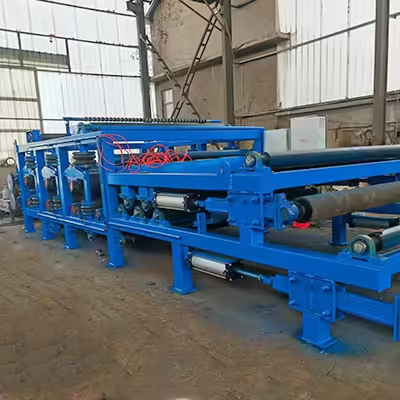
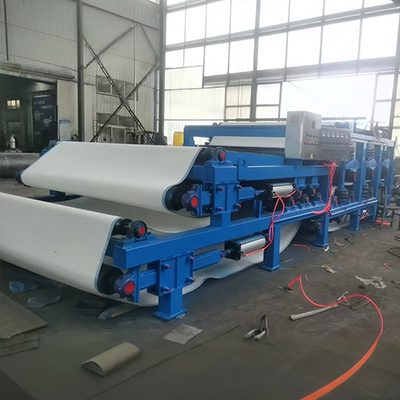
Filtration requirements vary greatly depending on slurry type, operational scale, facility layout, and industry-specific regulations. This makes customization vital when working with a filter press supplier.
Customization Parameters
A qualified filter press supplier should offer tailored options such as:
- Custom filter plate sizes
- Adjustable plate counts
- Membrane or recessed plate designs
- Special cloth materials adapted to slurry characteristics
- Adjustable hydraulic pressure profiles
- Material customization for frames (steel, stainless steel, composite materials)
- Automation add-ons such as cake discharge or drip tray systems
Regional Application Examples
- Asia
Compact equipment designed for confined industrial areas. - Europe
Automated, energy-efficient filtration systems following strict sustainability standards. - North America
Large-capacity filter presses with fully automated controls for mining and wastewater facilities.
Success Case
A U.S.-based food processing company required a filtration system for high-viscosity organic slurry. The selected filter press supplier customized:
- Plate configuration
- Cloth permeability
- Hydraulic pressure settings
- Discharge automation
Result: 30% improvement in filtration speed and significantly reduced operator workload.
Customization ensures your equipment aligns perfectly with operational needs, increasing efficiency and lifetime value.
Advanced Considerations for 2026
Environmental and Sustainability Factors
Sustainability is critical. Suppliers now offer:
- Energy-efficient hydraulic systems reducing power consumption by up to 25%
- Recyclable filter plates and cloth
- Low-waste filtration cycles minimizing sludge volume
Automation and Industry 4.0 Integration
Modern filter presses can include:
- Remote monitoring
- Automated cake discharge
- Predictive maintenance analytics
Suppliers providing Industry 4.0-compatible solutions give companies a competitive edge in 2026.
Regional Market Trends
- Asia-Pacific: Fast-growing wastewater treatment sector demands compact, efficient presses
- Europe: Stricter environmental regulations drive demand for sustainable suppliers
- North America: Mining and heavy industries prefer robust, high-capacity systems with advanced automation
Conclusion
Selecting the right filter press supplier in 2026 requires a holistic approach. By following these 5 essential rules—verifying product quality, assessing experience, evaluating after-sales support, considering total cost, and ensuring customization—you maximize operational efficiency, reduce downtime, and secure long-term return on investment.
A strategic choice of supplier not only ensures high-quality equipment but also future-proofs your filtration operations against evolving industrial demands and regulatory standards.
FAQ
Q1: How can I confirm a supplier’s credibility?
Check certifications (ISO 9001, CE), client references, completed projects, and quality control processes.
Q2: What is the typical lifespan of a quality filter press?
15–20 years with proper maintenance; low-quality presses may last only 5–10 years.
Q3: Are on-site installation and training necessary?
Yes, premium suppliers provide installation, commissioning, and operator training for safe and efficient operation.
Q4: Should filter presses be customized?
Customization is recommended for unique slurries, capacity requirements, or site limitations.
Q5: Why is after-sales service critical?
It minimizes downtime, ensures timely replacement of parts, and prolongs equipment lifespan.
Q6: Can modern filter presses integrate automation?
Yes, many 2026 suppliers offer remote monitoring, automated cake discharge, and predictive maintenance.
Q7: How do environmental regulations affect supplier choice?
Sustainable suppliers offer energy-efficient, low-waste, and recyclable components to meet strict regulations.