
Table of Contents
Key Takeaways
- Explore how filter press wastewater treatment can dramatically reduce operational costs.
- Understand energy, labor, chemical, and disposal savings.
- Compare filter press technology with alternative wastewater treatment methods.
- Learn long-term lifecycle benefits for industrial operations.
- Discover expert insights and data-backed strategies.
- Review case studies and performance metrics for optimized systems.
- Access a practical FAQ section answering common industrial questions.
Introduction
In modern industry, wastewater management is no longer just a compliance requirement—it is a strategic cost and environmental consideration. Inefficient wastewater treatment can increase operational expenses, create environmental risks, and impact production reliability. Filter press wastewater treatment has emerged as a leading technology to address these challenges efficiently.
From chemical plants to food processing and mining operations, companies are turning to filter press systems because they reduce sludge volume, save chemicals, lower energy consumption, and improve overall workflow efficiency. According to the International Water Association (IWA, 2023), properly maintained filter press systems can reduce operational costs by up to 35% compared to conventional settling tanks and centrifuge methods.
In this article, we explore 7 proven ways filter press wastewater treatment saves costs, supplemented with expert recommendations, real-world data, and practical operational strategies.
Energy Efficiency Optimization
Reducing Pumping and Electrical Costs
Energy consumption accounts for a significant portion of wastewater treatment expenses. By optimizing pump operation and cycle duration in filter press wastewater treatment, plants can achieve energy savings of 15–25%. High-efficiency motors, variable frequency drives (VFD), and energy recovery systems further enhance efficiency.
Automated Monitoring and Control
Modern filter press systems integrate digital control panels and IoT sensors to monitor pressure, flow rates, and sludge density. This ensures that energy is not wasted on over-pumping or unnecessary cycles. Dr. Michael Turner, a wastewater engineer at the University of Sheffield, emphasizes:
“Automation and real-time monitoring are critical. Minor adjustments can save thousands annually without compromising filtration quality.”
Temperature and Filtrate Management
Optimizing filtrate temperature can reduce energy costs for chemical reactions during flocculation. Facilities implementing heat recovery and controlled temperature monitoring report energy reductions of 10–15%.
Chemical Reduction Strategies
Precision Dosing of Flocculants
Flocculants are necessary for effective sludge dewatering, but excessive usage drives up chemical costs. Optimizing dosing in filter press wastewater treatment ensures the right balance, minimizing waste while maintaining filtration performance.
Reuse and Recycling of Filtrate
Recovered filtrate can be reused in initial mixing or for cleaning processes. This strategy not only reduces chemical consumption but also lowers water usage, generating additional cost savings.
Expert Insight
According to a 2022 report by the Water Environment Federation (WEF), chemical optimization alone can save industrial plants 12–18% annually in operational costs.
Maintenance and Lifecycle Cost Reduction
Durable Components for Longevity
Filter presses are built with corrosion-resistant plates, high-strength frames, and reinforced gaskets. These materials reduce replacement frequency and maintenance costs over the system’s lifespan.
Scheduled Preventive Maintenance
Implementing preventive maintenance programs—inspection of plates, hydraulic systems, and valves—can reduce unplanned downtime by up to 30%. A well-maintained filter press can operate efficiently for 15–20 years.
Cost-Benefit Analysis
| Maintenance Aspect | Traditional System | Filter Press System | Savings |
|---|---|---|---|
| Annual Replacement Parts | $10,000 | $6,000 | 40% |
| Emergency Repairs | $8,000 | $3,500 | 56% |
| Labor Hours | 400 hrs | 250 hrs | 38% |
Sludge Volume and Disposal Efficiency
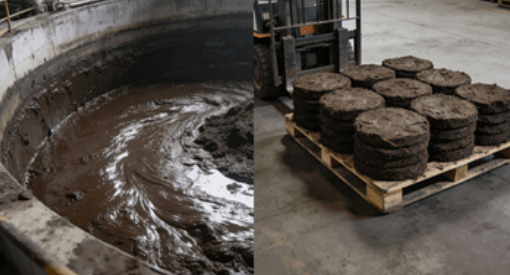
High Solid Recovery
Filter press wastewater treatment efficiently removes water from sludge, producing low-moisture, compact cakes. Reduced volume directly lowers disposal costs and storage requirements.
Comparative Disposal Cost
| Method | Sludge Volume | Disposal Cost ($/ton) |
|---|---|---|
| Settling Tanks | 100% | 150 |
| Centrifuge | 60–70% | 100 |
| Filter Press | 30–50% | 60–80 |
Smaller, denser sludge translates to fewer transport trips and lower landfill fees, which can amount to significant annual savings.
Water Recycling and Reuse
Reduced Freshwater Intake
Recovered water from filter press wastewater treatment can be reused in industrial processes, such as cooling systems or pre-flocculation mixing. This reduces dependence on municipal water sources.
Lower Environmental Fees
By recycling water and reducing discharge volumes, plants can avoid environmental surcharges and compliance penalties. The Environmental Protection Agency (EPA) notes that water recycling can reduce compliance costs by 10–15% in heavily regulated industries.
Labor Efficiency and Operational Automation
Automation Reduces Staff Needs
Modern filter press systems incorporate PLCs (Programmable Logic Controllers) and automated hydraulic controls, decreasing manual labor requirements. Staff can focus on monitoring and optimization rather than routine operations.
Training Efficiency
Simplified interfaces and automated diagnostics reduce training time for operators. This is especially valuable for facilities with high staff turnover or multiple shifts.
Safety Advantages
Automation not only reduces labor costs but also improves safety by limiting operator exposure to hazardous sludge or chemicals.
Lifecycle Cost Benefits
Return on Investment
Despite higher initial purchase costs, filter press wastewater treatment provides significant long-term savings through reduced energy, chemicals, labor, and disposal fees. ROI is typically realized within 3–5 years for medium-to-large plants.
Case Study: Chemical Plant
A chemical plant in Texas upgraded from settling tanks to a filter press system:
- Energy cost reduction: 25%
- Chemical usage: 40% less
- Sludge disposal fees: 30% lower
- Payback period: 3.8 years
Expert Perspective
Dr. Lisa Chen, a senior wastewater consultant, observes:
“Filter press technology is no longer a luxury—it is a strategic cost management tool. Long-term savings far outweigh initial investment, especially for high-volume facilities.”
Operational Comparison: Filter Press vs Alternative Methods
| Feature | Filter Press Wastewater Treatment | Settling Tanks / Centrifuge |
|---|---|---|
| Sludge Dewatering | High, compact cakes | Moderate, wet sludge |
| Energy Usage | Optimizable, moderate | High, inefficient |
| Chemical Usage | Reduced via precise dosing | Often high |
| Labor Requirement | Low (automated) | High (manual) |
| Long-Term Cost | Lower over 5–10 yrs | Higher |
This comparison underscores why filter press wastewater treatment is increasingly preferred in cost-sensitive industrial operations.
Advanced Techniques to Maximize Savings
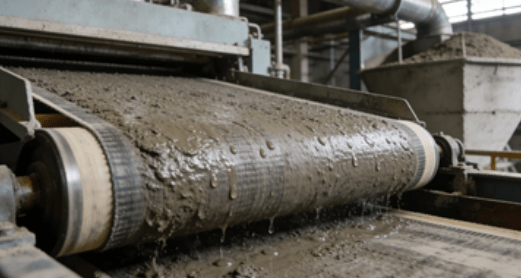
Multi-Stage Filtration
Implementing pre- and post-filtration stages improves cake dryness and reduces chemical needs.
Hybrid Systems
Combining filter press wastewater treatment with membrane filtration or centrifuges can further enhance water recovery and reduce waste volume.
Data-Driven Optimization
IoT-enabled filter presses track real-time metrics, allowing predictive maintenance and operational adjustments that save energy, chemicals, and labor.
FAQ
How does filter press wastewater treatment save money?
It reduces sludge volume, lowers chemical usage, optimizes energy consumption, and minimizes labor costs.
Is it better than settling tanks or centrifuges?
Yes, modern filter press wastewater treatment offers higher efficiency, drier sludge, and lower long-term costs.
Can recovered water be reused?
Absolutely. Recovered filtrate can often be recycled in production or cleaning processes, reducing freshwater purchase costs.
What maintenance is required?
Routine inspection of plates, gaskets, pumps, and hydraulic systems is necessary. Automation and durable materials make maintenance easier and cheaper.
Does it suit all industries?
Yes, but system design should match wastewater composition. Suitable for chemical, food, pharmaceutical, and mining industries.
What is the lifespan of a filter press system?
With proper maintenance, systems last 15–20 years, offering sustainable cost benefits.
How do I know my filter press is optimized?
Track sludge moisture content, filtrate clarity, energy usage, and chemical consumption. Continuous monitoring ensures cost efficiency.
Conclusion
Optimizing filter press wastewater treatment provides measurable cost savings in:
- Energy efficiency
- Chemical usage
- Maintenance reduction
- Sludge volume and disposal costs
- Water recycling
- Labor efficiency
- Long-term lifecycle benefits
By applying these strategies, industrial facilities can improve operational efficiency, achieve sustainability goals, and reduce overall wastewater treatment expenses. Filter press wastewater treatment is a proven, reliable solution that balances cost-effectiveness, environmental responsibility, and industrial performance.