

Description
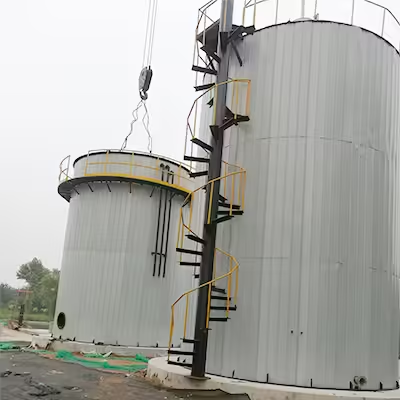
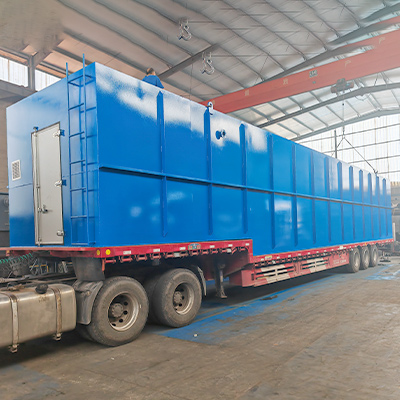
Anaerobic Tower: Energy-Efficient Solution for Organic Wastewater Treatment
The Anaerobic Tower is a high-performance biological treatment system specifically designed to remove high concentrations of organic pollutants from industrial and municipal wastewater under anaerobic or hypoxic conditions. This advanced solution leverages a synergistic anaerobic microbial community to break down complex organic matter while recovering valuable biogas energy, making it a sustainable and efficient choice for large-scale wastewater treatment.
The anaerobic digestion process inside the tower involves a sequential collaboration of hydrolytic, acid-producing, and methanogenic bacteria. First, hydrolytic bacteria convert macromolecules like proteins, polysaccharides, and fats into smaller, soluble compounds (e.g., amino acids, sugars, and fatty acids). Acid-producing bacteria then transform these intermediates into volatile fatty acids (VFAs), alcohols, and carbon dioxide. Finally, methanogenic bacteria metabolize these products to produce methane (CH₄) and additional CO₂ — thus removing organic pollutants while simultaneously generating renewable energy.
Key Functions of an Anaerobic Tower
| Function | Description |
|---|---|
| Organic Matter Decomposition | Sequential breakdown of complex organic compounds by anaerobic microbes. |
| Energy Recovery | Converts chemical energy in wastewater into biogas (methane) and heat. |
| Pollution Load Reduction | Significantly lowers COD, BOD, and other organic pollutant levels. |
| Biological Conversion | Facilitates microbial transformation with minimal chemical input. |
| Sustainable Treatment | Reduces environmental footprint while enabling resource recycling. |
Common Application Scenarios
Anaerobic towers are widely deployed in industrial wastewater treatment scenarios where high organic loads must be processed efficiently, especially when energy recovery is a priority. Common use cases include:
-
Brewery and Beverage Industry
Handles high-sugar, high-organic wastewater with excellent energy recovery potential. -
Pulp & Paper Mills
Treats fiber-rich effluents and recovers energy while reducing sludge output. -
Food & Dairy Processing Plants
Decomposes fats, proteins, and carbohydrates from food production processes. -
Pharmaceutical and Chemical Plants
Breaks down high-strength organic effluents with reduced sludge generation. -
Municipal Wastewater Facilities
Used for primary treatment in decentralized systems or as a pre-treatment for high-strength influent.
Technical Specifications
| Parameter | Value |
|---|---|
| Lifting Method | Water pump delivery |
| Machine Dimensions | 12000 mm × 3500 mm |
| Packaging Dimensions | 12500 mm × 4000 mm |
| Machine Weight | 12500 kg |
| Packaging Weight | 13000 kg |
Advantages
-
Simultaneous treatment and energy recovery through methane generation
-
Low energy input compared to aerobic systems
-
Reduced sludge production, minimizing handling and disposal costs
-
High organic removal efficiency (COD, BOD, and TSS)
-
Compact footprint and modular design for easy integration into new or existing systems
The Anaerobic Tower is more than just a wastewater treatment device—it’s a complete, sustainable system that transforms pollution into power. By using naturally occurring anaerobic bacteria to degrade organic matter and recover biogas, the system provides a cost-effective, energy-efficient, and eco-friendly approach to wastewater management. Whether in breweries, food production, chemical manufacturing, or municipal applications, a well-designed anaerobic tower can dramatically reduce operational costs and carbon footprints while delivering compliant effluent.
Reviews
There are no reviews yet.