

Table of Contents
Introduction
Medical waste disposal jobs are critical in maintaining safe and compliant healthcare environments. With the growing volume of hospital and laboratory waste, trained personnel are essential to manage hazardous materials effectively.
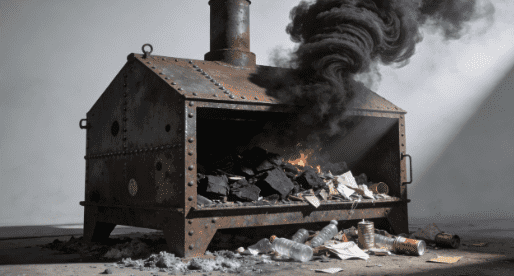
One of the key elements in these roles is the operation of medical waste incinerators, which safely destroy infectious waste while reducing environmental impact. These roles not only protect public health but also provide career opportunities in the rapidly expanding environmental and healthcare sectors.
What Are Medical Waste Disposal Jobs?
Concept of Medical Waste Disposal Jobs
Medical waste disposal jobs involve managing hazardous waste from healthcare facilities, including collection, transportation, treatment, and final disposal. Professionals in these roles ensure that waste is handled safely to protect both workers and the environment.
Core Elements in Medical Waste Disposal Jobs
Collection and Sorting
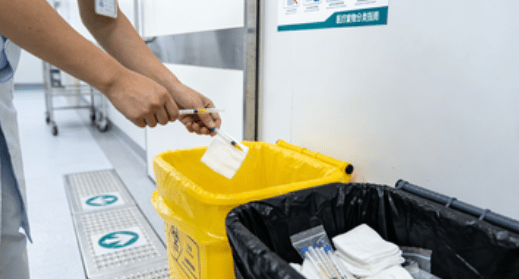
Segregating infectious, sharps, chemical, and pharmaceutical waste.
Transport Safety
Ensuring secure and regulated movement of waste to treatment sites.
Treatment Equipment Operation
Operating devices like medical waste incinerators for safe disposal.
Key Responsibilities in Medical Waste Disposal Jobs
Daily Duties
Operate Medical Waste Incinerators
Monitor temperature, feed waste safely, and ensure complete combustion.
Maintain Treatment Equipment
Regular cleaning, inspection, and preventive maintenance of incinerators and related machinery.
Documentation and Reporting
Keep accurate records of waste handling and treatment activities.
Safety and Compliance Elements
- Use of personal protective equipment (PPE) during waste handling
- Adherence to environmental regulations and safety protocols
- Risk assessment and emergency response readiness
Skills and Qualifications Required
Knowledge of Medical Waste Types and Safe Handling Procedures
Professionals in medical waste disposal jobs must have a thorough understanding of different types of medical waste, including infectious, chemical, sharps, and pharmaceutical materials. This knowledge ensures proper classification, handling, and storage, reducing the risk of contamination. Familiarity with safe handling procedures is essential to protect both workers and the surrounding environment.
Familiarity with Medical Waste Incinerators and Treatment Technology
Operators should be skilled in using medical waste incinerators and other treatment technologies to effectively process hazardous waste. Understanding the operational principles, safety protocols, and maintenance requirements of these systems ensures efficient and compliant disposal. This expertise is crucial for minimizing environmental impact and maintaining regulatory standards.
Record-Keeping and Regulatory Compliance Skills
Accurate documentation and compliance with local and national regulations are fundamental elements of medical waste disposal roles. Professionals must maintain detailed records of waste collection, transport, and treatment processes to demonstrate adherence to safety and environmental standards. Strong record-keeping skills also support audits and inspections, helping facilities maintain credibility and legal compliance.
Medical Waste Incinerators: A Critical Element in Disposal
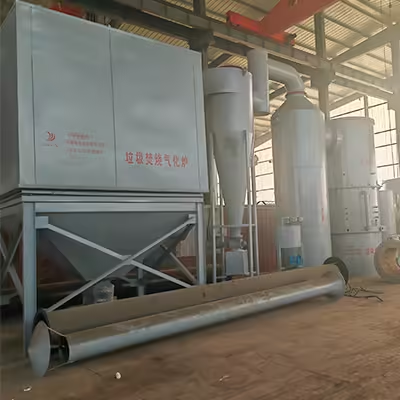
Key Components of Incinerators
High-Temperature Combustion
800–1200°C to destroy infectious agents
Emission Control Systems
Filters and scrubbers to reduce air pollutants
Automated Monitoring
Sensors to maintain optimal operation and safety
Roles and Responsibilities Related to Incinerators
- Loading medical waste safely and monitoring combustion efficiency
- Performing routine maintenance and inspection
- Ensuring emissions comply with environmental standards
Comparison with Other Treatment Methods
| Method | Advantages | Disadvantages |
|---|---|---|
| Medical Waste Incinerator | Complete destruction of pathogens, volume reduction | High energy consumption, requires skilled operator |
| Autoclave/Steam Sterilization | No air emissions, safe for reusable items | Limited for chemical/pharmaceutical waste |
| Chemical Treatment | Can neutralize hazardous chemicals | May leave residual pollutants |
This comparison helps workers and employers choose appropriate disposal methods based on waste type, safety, and operational needs.
Career Path and Opportunities
Entry-Level Positions
- Medical waste handlers
- Incinerator operation assistants
Mid-Level Positions
- Waste management supervisors
- EHS coordinators with incinerator expertise
Advanced Roles
- Environmental health managers
- Waste treatment plant directors
Growth Elements
- Specialization in medical waste incinerators increases employability
- Training and certification can accelerate promotion
Common Challenges in Medical Waste Disposal Jobs

Handling Difficult Waste
Infectious or chemical waste can complicate collection and treatment
Equipment Risks
Improper operation of incinerators may cause safety incidents or regulatory violations
Labor and Scheduling
Night shifts and high-intensity work may impact work-life balance
Safety Management
Ensuring all workers follow PPE and emission compliance protocols
Conclusion
Medical waste disposal jobs are essential for public health and environmental protection. From collection and sorting to operating medical waste incinerators, each role requires skill, knowledge, and commitment to safety.
By understanding responsibilities, required skills, and career paths, professionals can make informed choices while contributing to a safer healthcare environment. Specialization in incinerator operation not only enhances safety but also improves career prospects.
Whether in hospitals, private companies, or municipal treatment plants, medical waste disposal jobs offer meaningful and stable career opportunities in a growing industry.
FAQ
What qualifications do I need to work in medical waste disposal?
Basic training in hazardous waste handling, PPE use, and medical waste incinerator operation is recommended.
How dangerous is working with medical waste?
Risks include infection and chemical exposure, but following safety protocols and using PPE mitigates these risks.
How are medical waste incinerators safely operated?
Operators monitor temperature, feed waste correctly, maintain equipment, and use emission controls to ensure safety.
What career growth opportunities exist in this field?
Entry-level handlers can advance to supervisors, EHS coordinators, and plant managers, especially with expertise in incinerator operation.
Can I work in both hospitals and private waste companies?
Yes. Roles exist in municipal, hospital, and private-sector waste treatment facilities.