

Healthcare facilities generate a wide range of hazardous waste every day, including infectious materials, pharmaceuticals, and chemical residues. Managing these wastes safely and efficiently is critical to protect staff, patients, and the surrounding environment. A hospital incinerator provides a reliable solution, converting hazardous materials into harmless byproducts through controlled high-temperature combustion. This guide explores everything from types, benefits, selection criteria, and operational considerations to real-world applications and maintenance best practices.
Table of Contents
What is a Hospital Incinerator?

Definition and Overview
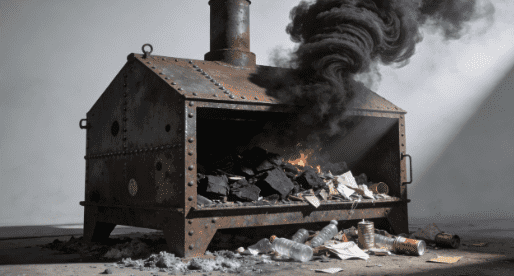
A hospital incinerator is a high-temperature thermal treatment system designed to safely neutralize infectious and chemical medical waste. Unlike conventional disposal methods, it employs controlled combustion to break down complex organic compounds and pathogens. The resulting outputs—sterile ash, carbon dioxide, and water vapor—are harmless and environmentally manageable.
Key Functions of a Modern Incinerator
High-Temperature Combustion
Operating between 850–1200℃, it ensures thorough oxidation of hazardous waste.
Pathogen Neutralization
Eliminates bacteria, viruses, and other infectious agents, preventing cross-contamination.
Chemical Detoxification
Safely decomposes pharmaceuticals and toxic organic compounds.
Waste Volume Reduction
Decreases the volume and weight of waste by up to 90%, optimizing disposal and transport.
Emission Control
Integration with scrubbers, filters, and secondary combustion chambers ensures compliance with environmental regulations.
Why Hospitals Need Incinerators
Hospitals, laboratories, and pharmaceutical facilities produce highly infectious and chemically hazardous waste. Improper disposal can lead to serious public health risks, including disease outbreaks and environmental contamination. A dedicated incineration system ensures safety, compliance, and operational efficiency.
Types of Hospital Incinerators
Single-Chamber Incinerators
- Suitable for small clinics or community hospitals
- Simple construction, compact footprint, and basic emission controls
- Effective for handling low to moderate volumes of general clinical waste
Double-Chamber Incinerators
- Designed for medium to large hospitals
- Primary chamber achieves combustion, secondary chamber ensures complete oxidation and emission reduction
- Handles high-volume infectious and pharmaceutical waste with enhanced safety
Mobile or Portable Incinerators
- Ideal for rural or temporary healthcare units
- Lightweight and compact, providing on-site hygienic disposal where centralized systems are unavailable
- Facilitates compliance in regions lacking fixed waste management infrastructure
Conceptual Comparison
| Feature | Single-Chamber | Double-Chamber | Mobile Unit |
|---|---|---|---|
| Waste Capacity | 50–200 kg/day | 200–1000 kg/day | 50–300 kg/day |
| Combustion Temperature | 850–1000°C | 900–1200°C | 850–1000°C |
| Emission Control | Basic | Advanced | Optional |
| Best For | Small clinics | Large hospitals | Remote or temporary |
| Maintenance Complexity | Low | Moderate | Moderate |
This table helps hospitals compare performance, capacity, and suitability to select the right system.
Benefits of Using a Hospital Incinerator
Enhanced Safety and Hygiene
By operating at high temperatures, a hospital incinerator neutralizes infectious waste effectively. This reduces the risk of cross-contamination and protects medical staff and patients. The controlled combustion environment ensures that even highly resistant pathogens are completely destroyed.
Chemical and Pharmaceutical Detoxification
Expired drugs, cytotoxic compounds, and other hazardous chemicals are broken down safely, preventing environmental contamination and accidental misuse. This is critical for research labs, pharmaceutical manufacturers, and hospitals handling toxic substances.
Waste Volume and Weight Reduction
Incineration decreases waste volume by up to 90%, minimizing storage and transportation needs. This is particularly important for large hospitals generating significant daily waste, as it reduces operational costs and improves logistics efficiency.
Regulatory Compliance
Modern incinerators integrate emission control technologies such as scrubbers, filters, and secondary chambers. This ensures compliance with both local and international environmental standards, mitigating the risk of fines or legal challenges.
Operational Efficiency
Automating waste disposal with an incinerator frees staff from repetitive handling of hazardous materials. Facilities can maintain continuous, predictable workflows, improving overall hospital productivity.
How to Choose the Right Hospital Incinerator
Consider Hospital Size and Waste Volume
Small clinics may only require a single-chamber unit, while large hospitals often need double-chamber systems capable of processing several hundred kilograms per day. Mobile incinerators are suitable for temporary or remote setups.
Combustion Temperature and Thermal Performance
Ensure the incinerator can maintain stable high temperatures (850–1200℃) to achieve complete pathogen and chemical destruction. Temperature control mechanisms, such as oxygen regulation and residence time adjustments, are critical.
Emission Control Capabilities
Hospitals must comply with environmental regulations. Incinerators equipped with scrubbers, filters, or secondary combustion chambers reduce particulate matter, NOx, and other pollutants. Facilities should evaluate local legal requirements before purchase.
Physical Dimensions and Layout
Consider installation space, chamber size, and facility layout. Large-scale double-chamber units require significant floor space, while mobile units are compact and flexible.
Maintenance and Operation
Look for incinerators with mechanical lifting, modular components, and easy cleaning features. This reduces downtime, simplifies routine inspections, and ensures long-term reliability.
Budget and ROI Considerations
Initial investment should be weighed against long-term savings in waste transport, regulatory compliance, and labor reduction. High-efficiency systems often offer faster ROI despite higher upfront costs.
Industry Applications of Hospital Incinerators
Hospitals and Clinics
On-site incineration of biological, pharmaceutical, and chemical waste ensures daily compliance and safety.
Research Laboratories
High-temperature incineration neutralizes infectious reagents, genetically modified organisms, and chemical residues, preventing environmental contamination.
Pharmaceutical Manufacturing
Expired or rejected drugs are destroyed safely, avoiding misuse and environmental hazards.
Veterinary Clinics
Handles biological and pharmaceutical waste, including sharps and animal tissue, reducing contamination risk.
Mobile and Rural Healthcare Units
Mobile incinerators provide safe, compliant waste disposal in areas without centralized treatment facilities, supporting vaccination campaigns and temporary clinics.
FAQ
What types of waste can a hospital incinerator handle?
It can process infectious, pharmaceutical, chemical, and general clinical waste safely and efficiently.
How does a double-chamber incinerator differ from a single-chamber system?
Double-chamber units provide secondary combustion for more complete burning and better emission control, suitable for high-volume hospitals.
Can mobile incinerators handle rural healthcare waste effectively?
Yes, mobile units are designed for temporary or remote locations, offering hygienic disposal without centralized facilities.
How are emissions controlled to meet environmental standards?
Modern incinerators integrate scrubbers, filters, and secondary combustion chambers to reduce pollutants and comply with regulations.
What is the recommended maintenance schedule?
Small-scale units may require monthly checks, while industrial lines should perform weekly inspections for optimal performance.
What fuel types are available?
Diesel, natural gas, heavy oil, and electric heating options are available depending on operational needs.
How can hospitals calculate ROI for an incinerator investment?
Consider initial cost, waste volume reduction, labor savings, environmental compliance, and long-term sustainability benefits.
Case Example: Shandong Lushun Medical Waste Incinerator
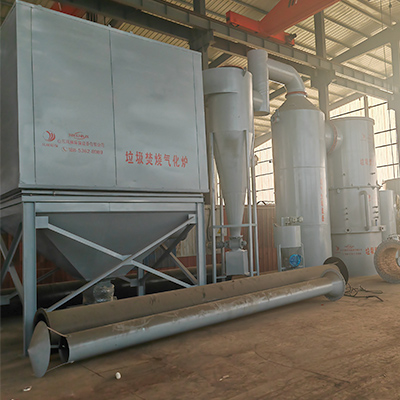
Shandong Lushun Environmental Technology Co., Ltd. provides high-performance hospital incinerators with the following features:
- Operating Temperature: 850–1200℃ for complete pathogen neutralization
- Volume Reduction: Up to 90% of total waste
- Emission Control: Compatible with advanced scrubbers and filters
- Applications: Hospitals, laboratories, pharmaceutical production, veterinary clinics, mobile healthcare units
- Dimensions: 12000mm × 3100mm × 3800mm
- Weight: 68,000 kg (machine), 72,000 kg (packaged)
This product combines safety, efficiency, and environmental compliance, ensuring reliable waste management for diverse medical facilities.
Conclusion
A hospital incinerator is indispensable for safe, hygienic, and environmentally responsible medical waste management. Facilities benefit from pathogen destruction, chemical detoxification, volume reduction, and emission control.
Shandong Lushun Environmental Technology Co., Ltd. offers advanced incinerators engineered for high efficiency, compliance, and long-term reliability.
Contact us today to discuss solutions for your hospital, clinic, laboratory, or mobile healthcare unit and enhance your medical waste management processes.