
Efficient waste management is a critical concern for municipalities, industrial facilities, and healthcare organizations. A trash incinerator for sale provides an effective solution to reduce waste volume, recover energy, and comply with environmental regulations. This guide helps you understand types, features, applications, costs, and maintenance, giving you a comprehensive overview before making a purchase.
Table of Contents
Introduction to Trash Incinerator for Sale
Why Trash Incinerators Are Essential
Trash incinerators are designed to transform waste into ash and energy, reducing reliance on landfills. By managing municipal, industrial, or medical waste, they contribute to cleaner environments and more sustainable operations.
Key Considerations Before Buying
When considering a trash incinerator for sale, evaluate capacity, fuel efficiency, emission standards, and maintenance requirements. The right selection can improve operational efficiency and reduce long-term costs.
What is a Trash Incinerator?
Definition and Purpose
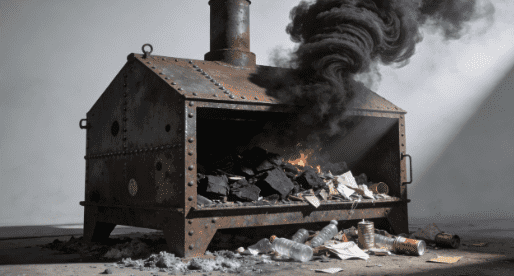
A trash incinerator for sale is a high-temperature furnace designed to safely burn solid waste, including household garbage, industrial refuse, and medical materials. These systems significantly reduce the volume of waste that would otherwise end up in landfills, helping cities and businesses manage waste more efficiently. Beyond disposal, trash incinerators also convert waste into ash and, in many cases, recover energy in the form of heat or electricity. For industries or municipalities seeking long-term waste management solutions, investing in a trash incinerator for sale can provide both environmental and economic benefits.
How a Trash Incinerator Works
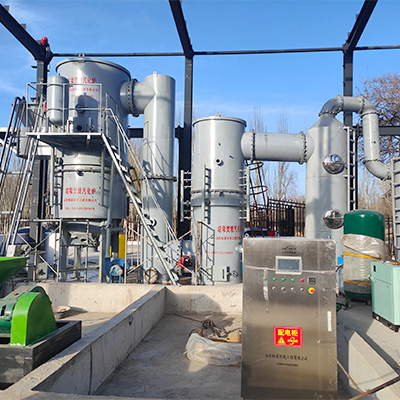
Waste is introduced into the primary combustion chamber, where extreme heat breaks down materials into simpler, non-hazardous substances. Many modern trash incinerators also include secondary combustion chambers to ensure complete combustion of residual gases. Advanced filtration systems capture particulate matter and reduce harmful emissions, making these units compliant with environmental standards. Choosing a trash incinerator for sale with well-designed emission controls is crucial for safe and efficient operation, particularly in urban or industrial settings where strict regulations apply.
Types of Trash Incinerators
Municipal Waste Incinerators
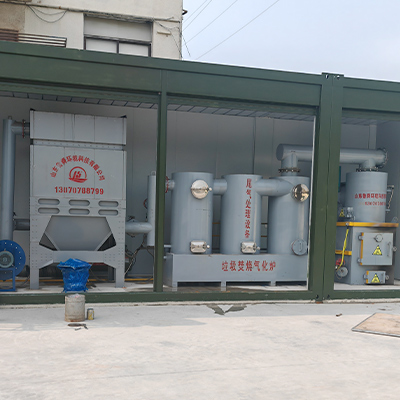
Municipal trash incinerators handle city-wide household waste, processing large volumes continuously. These units are designed to integrate with urban waste management systems and often include energy recovery options to provide heating or electricity for public buildings. For municipalities looking for a reliable solution, a trash incinerator for sale offers scalable capacity and long-term operational benefits.
Industrial Waste Incinerators
Industrial trash incinerators are engineered to manage hazardous, chemical, or industrial waste. They maintain high combustion temperatures to safely break down toxic compounds and are constructed with durable materials to resist corrosion. Businesses in manufacturing or chemical processing industries often consider a trash incinerator for sale as a sustainable option for handling waste streams while reducing environmental impact.
Medical Waste Incinerators
Medical trash incinerators are specifically designed to dispose of infectious and hazardous healthcare materials. Advanced filtration systems ensure harmful emissions are minimized, protecting public health and complying with strict regulatory requirements. Hospitals, clinics, and laboratories benefit from purchasing a trash incinerator for sale to maintain safe, compliant waste management practices.
Small-scale or Portable Incinerators
Small-scale or portable incinerators are ideal for rural areas, small businesses, or temporary projects. These units are compact, relatively easy to install, and cost-effective while still meeting regulatory standards for emissions and safety. Organizations with limited space or lower waste volumes can find a suitable solution by investing in a trash incinerator for sale that balances efficiency, mobility, and environmental compliance.
Key Features to Consider When Buying a Trash Incinerator
Capacity and Throughput
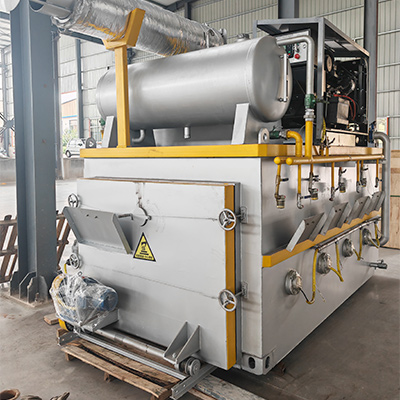
The daily processing capacity of trash incinerators varies significantly. Selecting a unit with the appropriate throughput ensures the system can efficiently handle the intended waste volume, preventing overloading or underutilization. When exploring options for a trash incinerator for sale, it’s important to consider peak loads and future growth to avoid frequent upgrades.
Energy Efficiency
Modern trash incinerators often incorporate energy recovery systems, converting heat from waste combustion into electricity or district heating. Energy-efficient designs lower operational costs and reduce environmental impact. Buyers searching for a trash incinerator for sale should prioritize units that maximize fuel efficiency and energy recovery to achieve long-term savings.
Emission Standards Compliance
Compliance with local, national, or international emission standards is critical for safe operation. Effective particulate, sulfur, and nitrogen oxide control systems are essential features in a trash incinerator for sale to ensure it meets environmental regulations and minimizes pollution.
Automation and Control Systems
Automated control systems enhance safety and operational reliability. Features like real-time temperature monitoring, automated fuel feed, and emergency shutdown mechanisms reduce operator error and improve efficiency. When considering a trash incinerator for sale, it’s beneficial to select models with advanced control systems for consistent, safe performance.
Parameterized Comparison of Trash Incinerators
| Feature | Municipal Incinerator | Industrial Incinerator | Medical Incinerator | Small/Portable Incinerator |
|---|---|---|---|---|
| Daily Capacity | 200–1000 tons | 5–50 tons | 1–5 tons | 0.5–2 tons |
| Temperature Range | 850–1200°C | 900–1300°C | 800–1100°C | 700–1000°C |
| Emission Control | Advanced | Advanced | Strict | Basic |
| Energy Recovery | Medium | High | Low | Low |
| Installation Complexity | High | Medium | Medium | Low |
| Ideal Use | City waste | Industrial hazardous waste | Medical waste | Small businesses / rural areas |
This table allows readers to quickly compare different types of trash incinerators by capacity, temperature, emission control, and energy recovery, helping them choose the best solution for their needs.
Real-life Applications and Case Studies
Municipal Waste Example
A European city purchased a trash incinerator for sale capable of processing 500 tons of municipal waste per day. The system successfully reduced landfill volume by 80% and recovered heat to supply nearby public buildings with energy. Municipal authorities reported that investing in a trash incinerator for sale not only improved waste management efficiency but also created a sustainable energy source for the city. Such applications demonstrate the dual benefits of modern incineration systems: waste reduction and energy recovery.
Industrial Waste Example
A chemical plant adopted an industrial trash incinerator for sale to safely dispose of hazardous byproducts. The unit maintained consistently high combustion temperatures, minimizing residual pollutants and improving overall workplace safety. In addition, the system allowed the company to meet strict environmental compliance standards while reducing the risk of chemical contamination. Industrial facilities looking for a reliable trash incinerator for sale can benefit from these units for long-term hazardous waste management.
Medical Waste Example
A large hospital implemented a medical trash incinerator for sale specifically designed for infectious waste. Equipped with advanced scrubbers and filtration systems, the incinerator ensured compliance with strict health and environmental regulations while significantly reducing hazardous waste volume. Hospitals that invest in a trash incinerator for sale can manage medical waste safely and efficiently, protecting staff, patients, and the surrounding community.
Small Business Application
A rural recycling company invested in a portable trash incinerator for sale to handle organic and paper waste on-site. The compact system reduced transportation costs and provided moderate heat recovery for local heating purposes. For small businesses and remote facilities, a trash incinerator for sale offers an affordable and convenient solution for efficient waste management while supporting sustainability initiatives.
Installation, Operation, and Maintenance
Installation Requirements
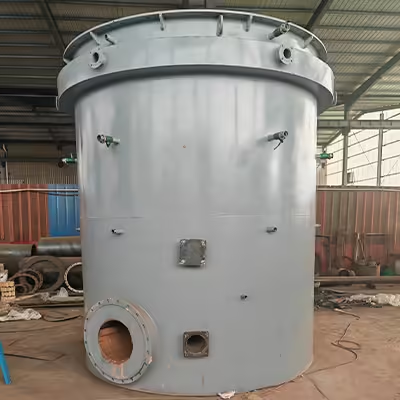
Proper installation of a trash incinerator for sale involves selecting a suitable site, establishing a reliable exhaust system, and ensuring adequate power supply. Compliance with safety regulations, environmental standards, and local permitting requirements is critical. Choosing a professional installer or supplier can help ensure that your trash incinerator for sale operates safely and efficiently from day one.
Operation Tips
Operators of a trash incinerator for sale must carefully monitor fuel input, combustion temperatures, and emission levels. Regular observation and control ensure optimal efficiency while minimizing environmental impact. Proper training in operating procedures, emergency shutdowns, and safety protocols is essential for anyone working with these systems.
Maintenance Guidelines
Routine maintenance for a trash incinerator for sale includes cleaning ash and soot deposits, inspecting refractory materials, and checking emission control devices such as scrubbers and filters. Regular maintenance extends the lifespan of the incinerator, maintains performance, and ensures regulatory compliance. Businesses and municipalities investing in a trash incinerator for sale should follow a strict maintenance schedule to prevent downtime and costly repairs.
Environmental and Safety Considerations
Emission Control
Modern trash incinerators for sale are equipped with advanced emission control systems, including filters, scrubbers, and catalytic converters. These technologies significantly reduce harmful emissions such as particulate matter, sulfur, and nitrogen oxides. By choosing a trash incinerator for sale with high-standard emission controls, operators can achieve environmentally responsible waste management and ensure compliance with environmental regulations.
Fire and Explosion Safety
Safety is a critical consideration when operating a trash incinerator for sale. Most units include automatic shutdown mechanisms, pressure relief valves, reinforced chambers, and fire-resistant construction. Proper training, adherence to operational protocols, and site safety measures are essential to prevent accidents and ensure safe handling of combustible or hazardous waste.
Conclusion
A trash incinerator for sale is a strategic investment for municipalities, industries, and healthcare facilities. Choosing the right unit depends on waste type, volume, energy recovery, and compliance requirements.
Need expert guidance on selecting the right trash incinerator for your facility? Contact our specialists today for tailored advice, quotes, and professional support.
FAQ
What is the difference between municipal and industrial trash incinerators?
Municipal units handle household waste at city scale, while industrial units process chemical or hazardous waste, often at higher temperatures.
Can I buy a small trash incinerator for private use?
Yes, portable or small-scale incinerators are available. Check local regulations as permits may be required.
How long does a trash incinerator last?
With proper maintenance, incinerators can operate for 10–20 years depending on type, use, and waste material.
Do I need a license to operate a trash incinerator?
Most regions require permits or operational licenses, especially for industrial or municipal-scale units.
Which trash incinerator is best for small businesses?
Small or portable incinerators are ideal due to manageable capacity, lower costs, and ease of installation.