
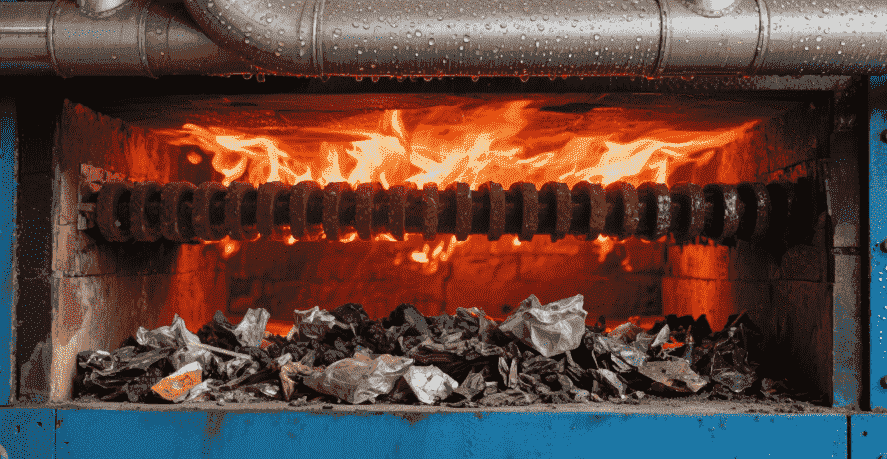
As global attention to environmental protection grows, waste incineration has become an indispensable solution for safely reducing and disposing of various waste streams. However, Waste Incineration Standards differ significantly across regions, shaping how facilities design, operate, and regulate their combustion systems.
This article offers a comprehensive overview of international standards—explaining how medical, industrial, and domestic waste incineration processes are regulated and how enterprises can ensure compliance and efficiency worldwide.
Table of Contents
Understanding Waste Incineration Standards
Definition of Waste Incineration Standards
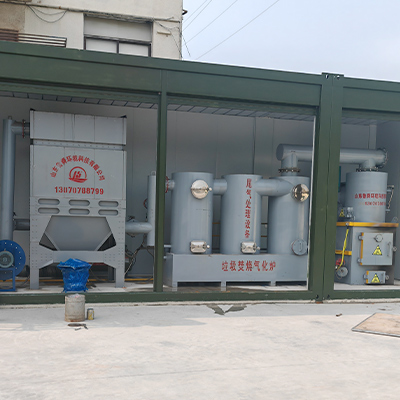
Waste Incineration Standards refer to national or regional frameworks that define the temperature, emission limits, and operating conditions required for safe and environmentally sound incineration. These standards protect ecosystems and public health by ensuring complete combustion and effective pollution control.
Purpose and Importance
Waste incineration regulations serve several key purposes:
- Protecting air quality and public health
- Limiting toxic emissions such as dioxins, heavy metals, and acid gases
- Encouraging technological innovation in combustion and flue gas treatment
Key Parameters in Global Standards
Most international standards revolve around three fundamental parameters:
Combustion Temperature – Generally between 850°C and 1200°C to ensure complete oxidation of organic waste.
Residence Time – Gaseous products must remain at high temperature for at least 2 seconds to ensure total destruction of dioxins and CO.
Emission Limits – Strict caps on particulate matter, NOx, SO₂, and dioxins to meet air quality goals.
Waste Incineration Standards by Region
European Union (EU)
Main Regulations
These form the legal backbone of EU environmental compliance. All waste combustion facilities must undergo strict performance validation and continuous emission monitoring.
Key Requirements
- Minimum temperature: 850°C (1100°C for halogenated waste)
- Residence time: ≥ 2 seconds
- Dioxins and furans: ≤ 0.1 ng TEQ/Nm³
- Continuous Emission Monitoring Systems (CEMS): Mandatory
- Particulate matter: ≤ 10 mg/Nm³
Interpretation
EU regulations prioritize complete combustion and long-term air quality preservation, requiring all systems to use secondary chambers and advanced flue gas cleaning.
Case Example: Vienna’s Spittelau Plant
The Spittelau Waste Incineration Plant (Austria) processes over 250,000 tons/year of municipal waste. Operating at 900°C, it uses heat recovery to provide district heating for 60,000 households, while dioxin levels remain at 0.05 ng TEQ/Nm³—half the EU limit.
Product Fit
- Medical Waste Incinerator – precision temperature and oxygen control for complete pathogen destruction
- Industrial Incinerator – high-temperature combustion with modular flue gas purification and energy recovery
United States (US)
Regulatory Framework
Key Requirements
- Secondary chamber: ≥ 1000°C
- Residence time: 2 seconds minimum
- Mercury: ≤ 0.08 mg/Nm³; Lead: ≤ 0.1 mg/Nm³
- HCl: ≤ 15 ppmv; SO₂: ≤ 30 ppmv
- Annual performance testing and continuous monitoring required
Interpretation
The U.S. system emphasizes heavy metal and acid gas control through wet scrubbers, bag filters, and activated carbon injection. Data logging and performance verification are federally enforced.
Case Example: Maryland Medical Waste Facility
The Baltimore Medical Waste Energy Recovery Facility runs dual combustion chambers at 1100°C, treating 150 tons/day. Using bag filters + wet scrubbers, it maintains near-zero visible emissions and powers on-site hospital utilities.
Product Fit
- Medical Waste Incinerator – MACT-compliant, achieving >99.99% organic pollutant destruction
- Industrial Incinerator – integrates energy recovery and gas purification for operational savings
Japan
Key Regulations
- Waste Management and Public Cleansing Law
- Technical Standards for Incineration Facilities (1997, amended 2015)
Core Standards
- Combustion temperature: ≥ 850°C
- Residence time: ≥ 2 seconds
- Dioxins: ≤ 0.1 ng TEQ/Nm³
- Fly ash treatment: Solidification or vitrification required
Interpretation
Japan’s framework centers on zero-waste and circular energy principles. Over 80% of municipal waste is incinerated domestically, often with high-efficiency heat recovery boilers.
Case Example: Tokyo Shin-Koto Plant
Operating continuously at 900°C, this facility treats 1,800 tons/day while producing electricity for 60,000 homes. With real-time emission monitoring, it achieves dioxin levels at 0.03 ng TEQ/Nm³, among the lowest globally.
Product Fit
- Domestic Waste Incinerator – dual-chamber design with calcium brick neutralization
- Medical Waste Incinerator – advanced high-temperature oxidation system for pathogen sterilization
China
National Standards
- GB18485-2014 – Pollution Control for Municipal Solid Waste Incineration
- GB18484-2020 – Pollution Control for Hazardous Waste Incineration
Emission Limits Overview
| Parameter | Limit (mg/Nm³) | Application |
|---|---|---|
| Dioxins | ≤ 0.1 ng TEQ | All waste types |
| NOx | ≤ 300 | Hazardous/industrial waste |
| SO₂ | ≤ 100 | All waste streams |
| Dust | ≤ 30 | All incinerators |
| HCl | ≤ 60 | Municipal waste |
| CO | ≤ 80 | Continuous monitoring |
Interpretation
China’s revised 2020 standards now mirror EU benchmarks, emphasizing smart emission tracking, energy reuse, and real-time data transparency via national monitoring networks.
Case Example: Suzhou Industrial Park WTE Facility
Operating at 950–1100°C, this plant processes 3,000 tons/day of mixed waste. With SCR and activated carbon filtration, its NOx emissions remain under 200 mg/Nm³, setting a new national model for compliance.
- Medical Waste Incinerator – compliant with GB18484 for hazardous waste
- Industrial Incinerator – designed for high-capacity energy recovery
- Domestic Waste Incinerator – dry purification system meeting GB18485 emission limits
Emerging Regions and Global Trends
Many countries in Southeast Asia, the Middle East, and Africa now adopt EU or Chinese benchmarks as reference models.
Global trends include:
- Digital emission monitoring
- Energy recovery and co-generation systems
- Modular incinerators for decentralized waste treatment
Comparative Overview of Global Waste Incineration Standards
| Region | Min. Temperature | Dioxin Limit | Residence Time | Regulatory Basis | Typical Application |
|---|---|---|---|---|---|
| EU | ≥ 850°C | ≤ 0.1 ng | ≥ 2s | IED Directive | Medical / Industrial |
| US | ≥ 1000°C | ≤ 0.1 ng | ≥ 2s | MACT / NSPS | Medical / Industrial |
| Japan | ≥ 850°C | ≤ 0.1 ng | ≥ 2s | Waste Management Law | Domestic / Medical |
| China | ≥ 850°C | ≤ 0.1 ng | ≥ 2s | GB18484 / GB18485 | All Waste Types |
This comparison shows that while temperature and residence time thresholds are similar, emission limits and monitoring methods vary, influencing equipment configuration and cost.
Key Concepts Related to Waste Incineration Standards
Thermal Oxidation
A process where organic materials react with oxygen at high temperatures to form CO₂ and H₂O. This ensures complete decomposition of hazardous compounds.
Emission Control Systems
Include scrubbers, bag filters, and activated carbon units that capture particulates, acid gases, and dioxins before release into the atmosphere.
Secondary Combustion
A technique ensuring that unburned gases are re-ignited in a secondary chamber, preventing CO and hydrocarbon emissions.
Energy Recovery
The conversion of combustion heat into usable energy, promoting circular economy principles in modern waste management.
How Our Incineration Systems Align with Global Standards
Our product series—Medical Waste Incinerator, Industrial Incinerator, and Domestic Waste Incinerator—are engineered to meet or exceed all major international requirements:
- High-temperature oxidation (850–1200°C)
- Precise oxygen and time control
- Full compliance with EU, US, Japan, and China standards
- Optional emission purification and heat recovery systems
These solutions ensure total waste neutralization, regulatory compliance, and sustainable performance for global clients.
Conclusion
As global environmental expectations continue to rise, Waste Incineration Standards are evolving toward stricter emission thresholds, higher thermal efficiency, and digital transparency.
Selecting the right incineration solution is not just regulatory—it’s a strategic investment in sustainability, safety, and brand integrity.
Our engineers specialize in designing systems that meet EU, U.S., Japan, and China compliance frameworks.
Contact us today to get tailored technical recommendations for your facility.
FAQ
What temperature is required for safe medical waste incineration?
Most international regulations require at least 850°C, while U.S. standards recommend 1000°C or higher for complete pathogen and toxin destruction.
Are European Waste Incineration Standards stricter than in other countries?
Yes. The EU’s Industrial Emissions Directive enforces some of the world’s lowest dioxin and NOx limits, driving innovation in emission control technologies.
How can I know if my incinerator meets local regulations?
Check whether your system has documented compliance with applicable standards (e.g., EU IED, U.S. MACT, GB18484). Many manufacturers provide certification reports or third-party testing results.
What’s the difference between medical and industrial waste incineration?
Medical waste focuses on pathogen destruction and sterilization, while industrial waste incineration targets chemical decomposition and energy recovery.
Do modern incinerators contribute to sustainable development?
Absolutely. Advanced systems include energy recovery, emission scrubbing, and real-time monitoring, making them critical tools in achieving cleaner, circular waste management.
Why is residence time important in waste incineration?
Residence time—how long gases remain in the combustion chamber—directly affects pollutant destruction efficiency.
Most international standards require at least 2 seconds at target temperature to ensure complete oxidation and minimal dioxin formation.
Are Chinese Waste Incineration Standards as strict as EU or U.S. levels?
China’s updated standards (GB18484-2020, GB18485-2014) are now closely aligned with EU benchmarks, featuring the same dioxin limit of 0.1 ng TEQ/Nm³ and advanced flue gas purification requirements. Many new Chinese plants integrate semi-dry scrubbers and bag filters for full compliance.
How do local authorities enforce Waste Incineration Standards?
Enforcement usually includes annual audits, surprise inspections, and CEMS data submission.
Facilities exceeding emission limits may face temporary suspension, penalties, or required system upgrades.
How can my company select the right incineration system?
Consider:
- Waste type and daily volume
- Local Waste Incineration Standards and emission limits
- Energy recovery needs
- Space and maintenance capabilities