

Table of Contents
Introduction
Sludge dewatering is a critical part of modern wastewater treatment, helping facilities reduce disposal volume, manage operating costs, and meet regulatory requirements. With industries and municipalities generating higher amounts of sludge each year, selecting the right dewatering technology is essential for long-term efficiency and sustainability.
Understanding Sludge and Its Dewatering Characteristics
What Sludge Represents in Wastewater Treatment
Sludge is the semi-solid residue produced during wastewater treatment.
It contains organic matter, suspended solids, microorganisms, fibers, and sometimes oils or chemicals.
High moisture content makes it bulky and expensive to handle, which is why dewatering is essential.
Why Dewaterability Varies Between Facilities
Different sludge types hold water in different ways.
Municipal biological sludge tends to be highly hydrophilic, while industrial sludge may contain oils or fibers that affect filtration behavior.
Understanding these traits helps determine the most suitable technology.
Why Dewatering Is a Key Step in the Treatment Chain
By removing water, sludge becomes lighter and more compact.
This reduces transportation costs, improves safety, and prepares the material for disposal or further treatment such as drying or composting.
Technical Foundations Behind Sludge Dewatering
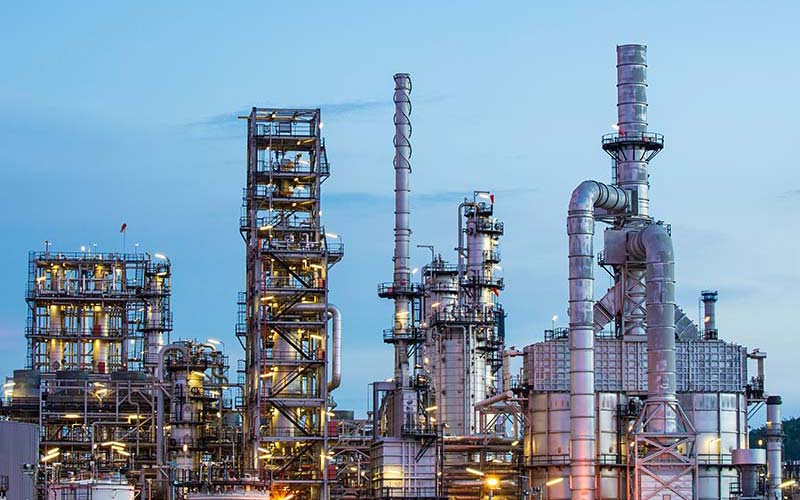
Solid–Liquid Separation Mechanisms
All dewatering systems rely on filtration, sedimentation, compression, or flotation.
Different mechanisms work better with different sludge types, influencing dryness and output stability.
Polymer Conditioning Functions
Polymers bind small particles into larger flocs that settle or filter more easily.
The correct polymer type and dosage significantly improve dryness and reduce the load on mechanical equipment.
Sludge Rheology as a Performance Factor
Sludge behaves as a non-Newtonian fluid, meaning its viscosity changes under pressure.
High-viscosity sludge requires slower, controlled compression to achieve stable separation.
Detailed Overview of Common Dewatering Equipment
Belt Filter Press Systems
This system uses gravity drainage followed by mechanical pressure.
It handles high volumes but requires frequent belt cleaning and tension adjustments.
Decanter Centrifuge Technology
Centrifuges accelerate separation through rotational force.
They produce good dryness but consume more energy and require skilled operators.
Plate and Frame Filter Press
This batch-operated machine provides some of the highest dryness levels available.
Long cycle times and manual labor needs make it suitable for projects focusing on dryness rather than throughput.
Screw Press Dewatering System
The screw press uses low-speed compression with an adjustable back-pressure plate.
It offers automatic operation, low energy consumption, and stable results for a wide range of sludge types.
Parameter-Based Equipment Comparison Table
A practical comparison using operational parameters helps highlight performance differences.
| Parameter | Screw Press | Belt Press | Centrifuge | Plate and Frame |
|---|---|---|---|---|
| Typical Moisture After Dewatering | 78–85% | 80–88% | 75–85% | 60–75% |
| Energy Consumption | Low | Medium | High | Medium |
| Polymer Demand | Low–Medium | Medium | High | Medium |
| Noise Level | Low | Medium | High | Low |
| Operator Skill Requirement | Low | Medium | High | Medium |
| Suitability for Oily Sludge | Moderate | Low | High | Moderate |
| Automation Level | High | Medium | High | Low |
| Space Requirement | Compact | Large | Medium | Medium |
This table supports decision-makers who need to evaluate different solutions based on quantifiable performance indicators.
A Complete View of the Dewatering Workflow
Pretreatment Stage
Screening and Grease Removal
Removing grit, plastics, fibers, and oils protects subsequent dewatering equipment.
Grease traps prevent fat accumulation, ensuring more stable conditioning and filtration.
Sedimentation and Thickening
Inclined tube sedimentation improves settling efficiency by shortening the settling distance.
Thicker sludge entering dewatering systems means reduced energy use and better dryness.
Mechanical Dewatering Stage
Sludge Conditioning Practices
Polymers enhance filtration behavior, making solids easier to capture.
Proper mixing ensures that flocs form uniformly and remain stable throughout compression.
Operational Control and Process Stability
Equipment settings such as pressure, rotational speed, and feed consistency influence output.
Automatic monitoring helps maintain dryness and avoids unnecessary energy consumption.
Final Handling and Disposal
Transporting and Utilizing Dewatered Sludge
Dewatered sludge reduces burden on storage and transport logistics.
Depending on regulations, it can be landfilled, composted, incinerated, or used as soil amendment when appropriate.
Practical Case Study A Food-Processing Facility Upgrade
Background of the Facility
A medium-sized food manufacturer dealing with oily, organic-rich wastewater relied on a belt filter press.
However, inconsistent sludge quality led to problems such as high moisture, odor, and increasing polymer use.
Engineering Assessment and Recommended Solution
A screw press was chosen due to its ability to handle fluctuating feed characteristics.
A dissolved air flotation unit was installed upstream to remove fats and improve sludge structure.
Results After Implementation
Average sludge moisture improved from 88 percent to around 80 percent.
Polymer usage dropped by approximately one quarter, and operators reported easier maintenance.
Energy consumption also decreased, delivering measurable savings over a full operational year.
This case highlights how tailored equipment selection can significantly optimize system performance.
Broader Wastewater Treatment Equipment Concepts
Integrated Buried Sewage Treatment Units
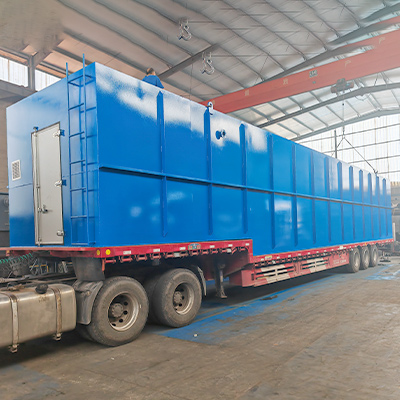
Compact, underground treatment systems ideal for schools, communities, and commercial properties.
They combine biological processes with sedimentation to achieve stable and continuous treatment.
Dissolved Air Flotation Systems
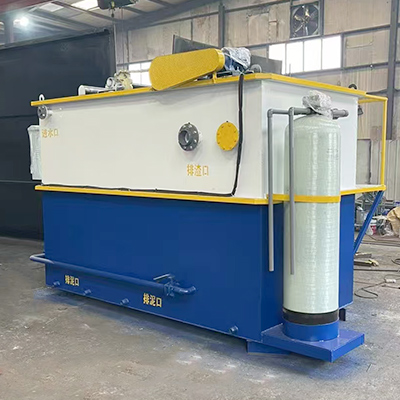
Microbubbles attach to suspended materials and float them to the surface for removal.
Especially useful for industries involving oils, fats, or fine suspended solids.
Anaerobic Tower Technology
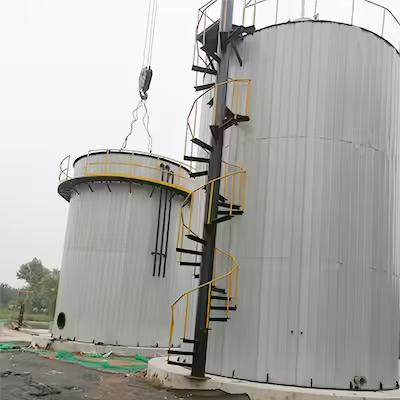
A high-performance biological system that converts organic pollutants into biogas.
Ideal for factories with high-strength wastewater such as breweries or food-processing facilities.
Inclined Tube Sedimentation Units
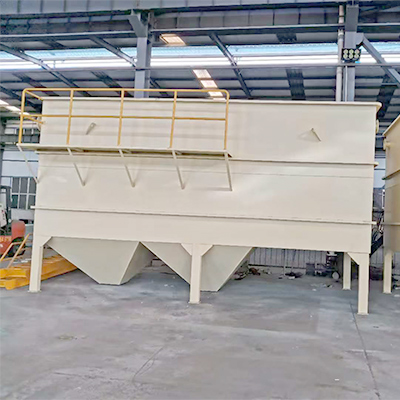
Enhance settling by increasing surface area and reducing settling height.
They provide efficient particle separation even in limited spaces.
Grease Trap Systems
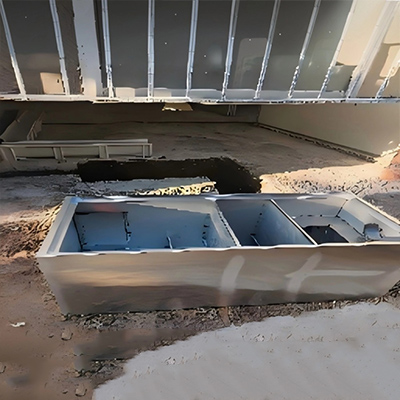
Designed to separate fats, oils, and grease before they reach biological tanks or dewatering stages.
Effective for restaurants, commercial kitchens, and food industries.
Final Thoughts and Actionable Next Step
Understanding sludge characteristics, equipment principles, and treatment workflows helps facilities design efficient, reliable, and sustainable dewatering systems. The right solution depends on sludge type, space availability, operating budget, and disposal requirements.
If you need personalized equipment selection guidance or want help designing a complete sludge dewatering solution, contact our engineers for professional recommendations and tailored system planning.
FAQ
What is the most efficient method for municipal sludge?
A screw press often provides the best balance of automation, energy savings, and stable dryness for municipal biological sludge.
How dry can sludge become after mechanical dewatering?
Most systems achieve between 18 and 35 percent solids depending on sludge type and polymer application.
Is dissolved air flotation necessary before dewatering?
For oily or grease-rich wastewater, DAF greatly improves downstream performance.
What is the main difference between a screw press and a belt press?
A screw press uses slow compression with lower energy demand, while a belt press handles larger volumes but requires more maintenance.
What is the best option for small communities?
Small communities often benefit from compact buried treatment units paired with a screw press.