
Table of Contents
Introduction
Selecting the right belt filter press is a critical decision for any industrial facility dealing with sludge, wastewater, or slurry. The wrong choice can lead to poor dehydration, high disposal costs, frequent maintenance, operational downtime, or even environmental compliance issues. On the other hand, a well‑matched belt filter press can deliver reliable performance, maximize throughput, reduce water content of the cake for easier disposal, and provide long-term cost savings.
In this article, we present five powerful tips that B2B buyers should carefully consider when selecting a belt filter press. We draw on real-world performance data, typical operating parameters, and practical lessons from wastewater treatment and industrial dewatering operations to help you evaluate options more effectively.
Tip 1: Understand Your Sludge / Slurry Characteristics
Before you begin evaluating belt filter press models, it is essential to fully understand the nature of the material you plan to process. Sludge or slurry characteristics can vary dramatically depending on industry and origin — municipal wastewater, industrial wastewater, mining tailings, paper/pulp wastewater, food processing waste, etc.
What to analyze
Feed solids concentration (total solids % before dewatering)
Many belt filter presses are designed for feed concentrations in the 1–10% solids range.
Sludge composition
Is the sludge fibrous (as in pulp & paper), chemically aggressive (as in chemical manufacturing), abrasive (as in mining tailings), or volatile? These properties influence choice of belt material, rollers, and overall structural robustness.
Flow rate and daily volume
The volume of sludge/slurry you must treat per hour/day will determine the throughput required.
Desired output cake dryness & filtrate quality
Depending on disposal, reuse, or further treatment requirements, you may need a certain dryness level or filtrate clarity.
A belt filter press suited for municipal wastewater sludge may perform poorly when applied to abrasive mining tailings or chemical sludge with corrosive components unless properly specified and adapted.
Tip 2: Evaluate Critical Performance Parameters
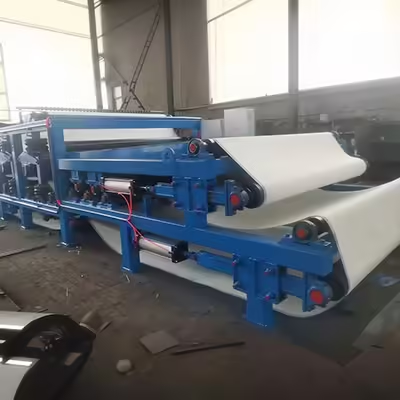
Once you know your sludge characteristics, the next step is to examine the performance data of candidate belt filter presses. Key parameters include throughput capacity, cake dryness, solids capture efficiency, energy consumption, and adaptability to feed variations.
Throughput & Processing Capacity
Look at the rated processing capacity in terms of dry solids per hour, or sludge volume per hour. For example, some belt filter presses claim throughput rates of 300–2,000 kg dry solids per hour per 2‑meter belt under optimal conditions.
If your plant generates large volumes of sludge daily, a press with insufficient throughput will become a bottleneck.
Cake Dryness & Solids Capture
Typical performance for sludge dewatering with belt filter presses shows cake dryness in the range of 15–30% dry solids, depending on sludge type, polymer conditioning, belt speed, and pressure settings.
Solids capture (i.e. how much of the sludge solids are retained in the cake vs lost to filtrate) is another important metric — good belt press systems often achieve 90–95% solids capture under stable operation.
Energy Consumption & Operating Costs
Compared to alternative dewatering technologies (e.g. centrifuges), belt filter presses often offer lower energy consumption and lower operating cost per ton of dry solids.
In long-term operation, this can translate into significant savings, particularly for facilities with continuous or high-volume sludge generation.
Tip 3: Design for Maintenance, Reliability, and Longevity
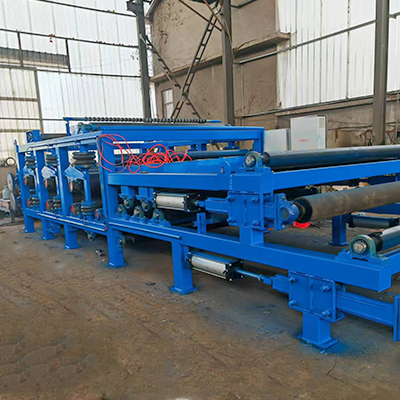
A belt filter press is a long-term investment. To maximize uptime and minimize lifecycle cost, you must consider maintenance requirements, component durability, and ease of service.
What to inspect / request
Belt material and wear resistance: If sludge is abrasive, corrosive, or chemically aggressive, belts and rollers must be made from suitable materials (e.g. stainless steel components, wear‑resistant coatings) to prevent premature wear or corrosion.
Roller design and pressure zones
A multi-zone design (gravity drainage → low‑pressure wedge → high‑pressure compression) provides gradual dewatering and reduces risk of belt blinding or cake sticking.
Spare parts availability and maintenance support
Ensure that filter media, belts, rollers, and other wear parts are readily available. Downtime for replacement or maintenance should be minimized.
Operational monitoring and controls
Modern belt filter presses may include automated belt tensioning, belt tracking, polymer dosing control, and belt-washing systems — all of which help maintain stable performance over time.
Reliability is often more important than “peak performance” — consistent cake dryness and solids capture over years of operation will deliver better ROI than occasional high-output spikes.
Tip 4: Match the Belt Filter Press to Your Industry Application
Different industries impose different demands on dewatering equipment. Matching belt filter press design and configuration to your industry ensures optimal performance, compliance, and long-term sustainability.
Examples of industry‑specific requirements
- Municipal wastewater treatment plants: Focus on high throughput, stable performance, relatively moderate cake dryness (~18–25% DS), reliable continuous operation. Many belt filter presses produce 18–25% dry solids cake for municipal sludge.
- Pulp & paper / textile / fibrous waste streams: Sludge may be fibrous, necessitating belts with high strength and wear resistance, and a robust roller/compression system.
- Mining / mineral processing / metallurgy: Slurry may be abrasive or contain sharp particles. Press components must resist wear; frequent maintenance may be needed.
- Chemical / petrochemical / industrial wastewater: Some sludge may be corrosive or oily — requiring corrosion-resistant materials, sealed housings, or specialized belts and rollers.
- Food, beverage, or pharmaceutical processing: Hygiene, ease of cleaning, and contamination control may be priorities; belt and frame materials must meet industry standards, and cleaning systems must be efficient.
Selecting a belt filter press without considering industry-specific demands is a common cause of poor long-term performance.
Tip 5: Evaluate Total Cost of Ownership and Supplier Support
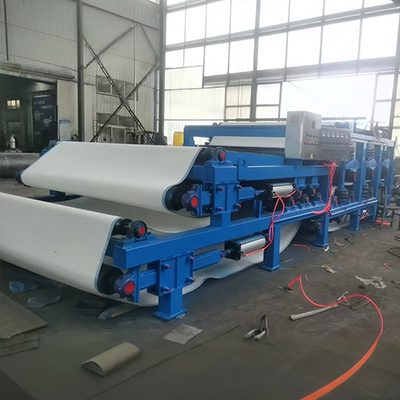
Upfront cost is only part of the picture. For B2B buyers making serious investment decisions, total cost over the equipment lifecycle and the quality of supplier support are equally — if not more — important.
Consider these when budgeting
- Initial purchase price vs long-term savings: A higher-quality belt filter press with better materials and automation may cost more up front, but lower energy use, reduced maintenance, fewer replacements, and efficient dewatering can pay off over time.
- Operational costs: Include energy consumption, polymer consumption (if conditioning required), maintenance labor, spare parts, and downtime. For example, polymer dosing for good dewatering typically ranges between 4–8 kg polymer per ton of dry solids for many municipal or industrial sludges.
- Supplier / OEM support: Reliable supplier support can make or break long-term performance — for installation, commissioning, training, spare parts supply, and technical troubleshooting.
- Scalability and future capacity expansion: If sludge volume may increase due to production growth or regulatory changes, ensure the belt filter press you choose is scalable or modular, or the supplier can provide larger/modified units.
Operational Data Snapshot
| Parameter / Metric | Typical Range for Belt Filter Press | Implication / Why It Matters |
|---|---|---|
| Feed solids concentration (input) | 1–10% solids | Defines whether belt press is suitable and how much pre‑conditioning may be required |
| Cake dry solids content (output) | ~15–30% DS; common municipal sludge: 18–25% DS; with optimized settings possibly higher | Determines disposal volume, hauling costs, and compliance with disposal/reuse requirements |
| Throughput (dry solids/hour per 2 m belt) | 300–2,000 kg DS/h under good conditions | Helps you size equipment to meet daily sludge generation needs |
| Solids capture efficiency | ~90–95% under stable operation | Preserves sludge solids for disposal or processing; reduces solids lost to filtrate |
| Energy consumption | Lower than centrifuge for comparable sludge loads; lower operating cost per ton of dry solids | Reduces operational expenses over long-term |
This data helps ground expectations when selecting a belt filter press and comparing candidate machines or suppliers.
Real‑World Case Example
Consider a municipal wastewater treatment plant that processes primary and waste-activated sludge (WAS). This facility installed a belt filter press to dewater combined sludge. They operated with a polymer dose of ~6 kg/ton dry solids, feed solids concentration averaging 2–4%, and belt press with a 2.0‑meter belt width. Under these conditions:
- The plant consistently achieved cake dryness around 22%–24% dry solids.
- Solids capture efficiency remained above 92%, leading to reduced volume for sludge hauling and disposal.
- Energy consumption was modest — belt press consumed significantly less power compared to prior centrifuge-based dewatering.
- Maintenance frequency was limited to routine belt and roller inspection every few weeks; spare parts (filter cloth, rollers) were available quickly from supplier, minimizing downtime.
As a result, the plant reported a 30–40% reduction in sludge disposal volume and cost, along with improved reliability and simpler operation compared to earlier equipment. This example demonstrates how well‑matched belt filter press selection, proper conditioning, and good maintenance can deliver tangible savings.
Conclusion
Choosing the right belt filter press is not a trivial task — but with careful evaluation of sludge characteristics, performance parameters, maintenance demands, industry‑specific requirements, and total cost of ownership, B2B buyers can make informed decisions that deliver long-term value.
The five tips above provide a structured framework for evaluating belt filter press options. By aligning equipment capabilities with the unique demands of your sludge/slurry and application environment, you can maximize efficiency, reduce disposal volume, lower operating costs, and ensure reliable dewatering for years to come.
If you follow these guidelines, you greatly reduce the risk of underperforming systems or costly retrofits — and ensure that your investment truly supports your operational goals.
FAQ
What is a belt filter press used for?
A belt filter press is used to dewater sludge or slurry — removing water from waste streams to produce a more solid “cake” for easier disposal, hauling, or further processing. It is widely used in wastewater treatment, mining, chemical, pulp & paper, food processing, and many other industries.
How do I determine the right size or capacity for a belt filter press?
Estimate your daily or hourly sludge/slurry volume (or dry solids production), analyze feed solids concentration, and match those parameters against press throughput ratings (dry solids/hour), belt width, and cake dryness performance.
What maintenance does a belt filter press require?
Typical maintenance includes regular inspection of belts, rollers, bearings; checking belt tension and tracking; replacing filter cloth or worn belts; ensuring belt‑washing system works; and verifying polymer dosing and flocculation system (if used).
Can belt filter presses handle different types of sludge (e.g. municipal, industrial, mining, chemical)?
Yes — but you must choose appropriate belt material, roller design, and configuration based on sludge properties (fibrous, abrasive, corrosive, chemical, etc.) to ensure durability and consistent performance.
What factors influence the dryness of sludge cake produced by a belt filter press?
Key factors include feed solids concentration, polymer conditioning (if used), belt speed and tension, roller pressure zones, belt cloth porosity, and proper maintenance and operation.
Need Specific Selection Advice?
If you’d like help matching a belt filter press to your sludge type, production volume, or industry application — or comparing available models — contact our engineering team for a free consultation. We can provide tailored recommendations to fit your process, compliance requirements, and budget.