
Table of Contents
Key Takeaways:
- Introduction to modern industrial wastewater treatment facilities
- Advanced upgrades to improve sludge dewatering and sedimentation
- Integrated buried sewage treatment systems and their benefits
- Innovative DAF units and anaerobic towers for pollution control
- Screw press and other equipment optimization strategies
- Case studies and cost-benefit considerations
- FAQ and practical recommendations for facility managers
Introduction
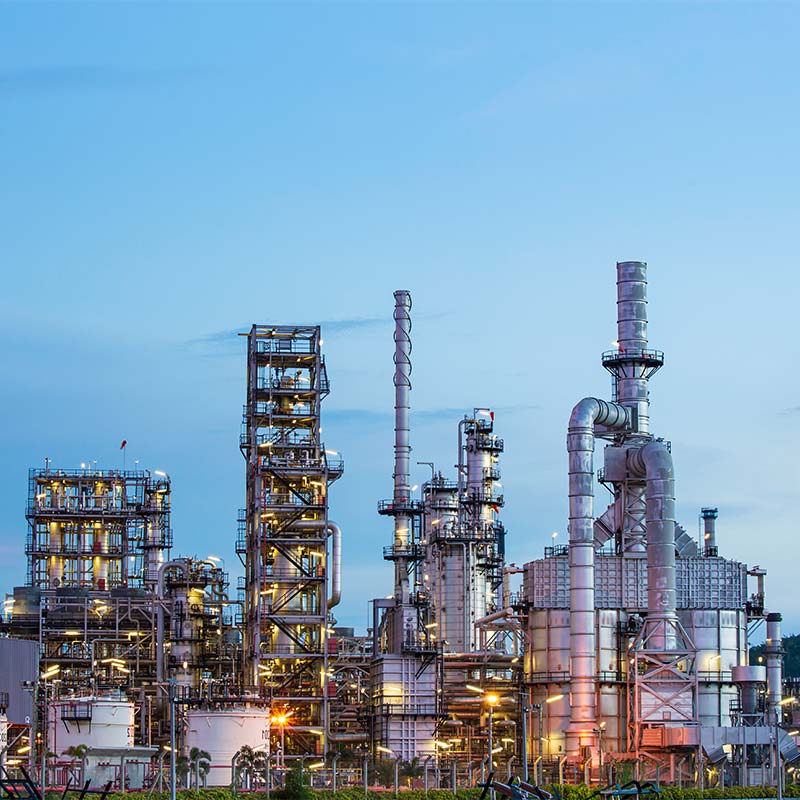
Industrial wastewater treatment facilities play a vital role in managing pollution and ensuring compliance with environmental regulations. As industries expand, the demand for highly efficient, low-maintenance, and energy-conscious treatment systems has increased. Upgrading an industrial wastewater treatment facility can not only improve water quality but also reduce operational costs and energy consumption.
Modern upgrades focus on integrating physical, chemical, and biological treatment processes. The goal is to achieve high-efficiency removal of contaminants while ensuring sustainability and reliability. Key considerations include sludge management, advanced aeration, chemical dosing systems, and automation for process control.
Upgrading a facility also involves evaluating existing infrastructure and identifying bottlenecks. For example, sedimentation equipment or outdated DAF units may limit treatment capacity. By adopting advanced systems, facilities can handle higher loads, improve effluent quality, and extend equipment lifespan.
Optimizing Sludge Dewatering and Sedimentation
Advanced Sedimentation Equipment
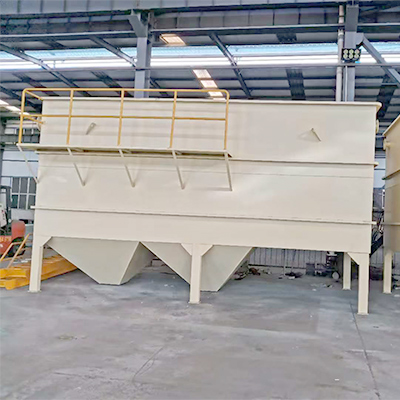
Tilted tube sedimentation units are now a standard upgrade in industrial wastewater treatment facilities. These devices use inclined surfaces to increase the effective settling area, allowing fine particles to separate more efficiently.
Key benefits include:
- Rapid solid-liquid separation
- Reduced sludge volume
- Improved effluent clarity
Sedimentation efficiency is critical for downstream processes such as sludge dewatering or filtration. Modern facilities often pair sedimentation equipment with continuous monitoring to ensure consistent performance.
Screw Press Systems
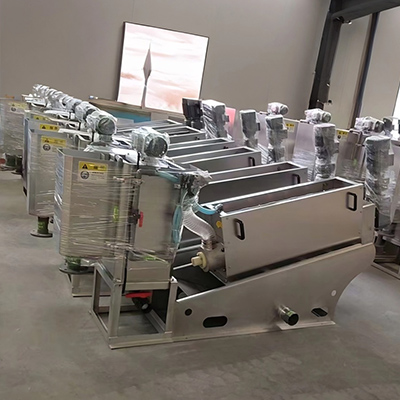
Screw presses provide a cost-effective method for sludge dewatering. These machines apply mechanical pressure to reduce water content, producing a drier sludge cake for easier handling and disposal.
Advantages of screw press upgrades:
- Reduced transport costs due to lower sludge volume
- Energy-efficient operation compared to conventional belt presses
- Compatibility with a variety of sludge types
Integrating a screw press with existing sedimentation and DAF units enhances overall facility efficiency and minimizes environmental impact.
Integrated Buried Sewage Treatment Systems
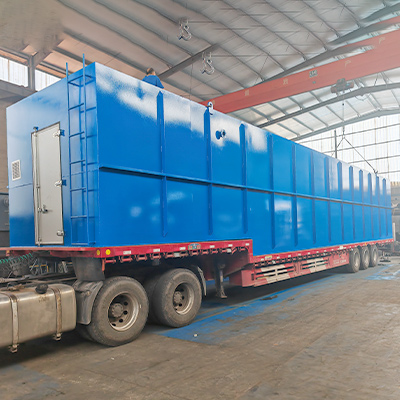
Integrated buried sewage treatment combines biological and physicochemical processes in a compact underground footprint. This approach is increasingly popular for industrial facilities with space constraints or urban locations.
Key Features:
- Screening to remove large solids
- Equalization and adjustment tanks for flow regulation
- Biological treatment using activated sludge or membrane bioreactors
- Sedimentation and sludge recirculation
- Disinfection and safe effluent discharge
Benefits:
- Efficient pollution removal with minimal odor
- Reduced above-ground infrastructure
- Lower maintenance due to centralized design
Case studies in China and Europe have shown that integrated buried systems can reduce COD and BOD levels by up to 90%, providing reliable performance even under variable industrial loads.
Innovative DAF Units and Anaerobic Towers
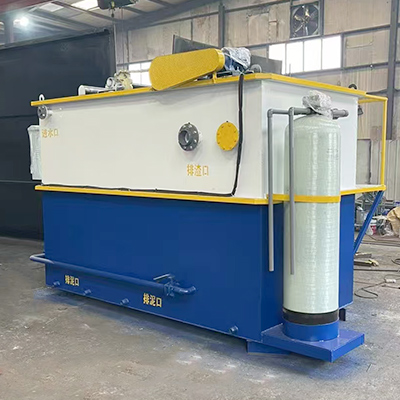
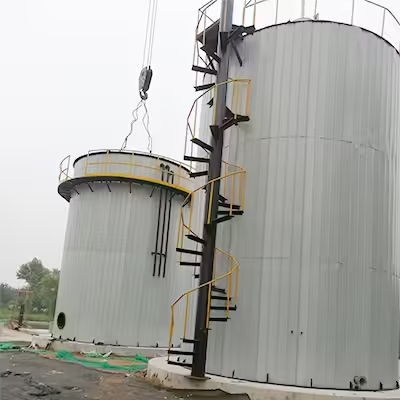
DAF Units
Dissolved Air Flotation (DAF) units are critical for removing suspended solids, oils, and grease from industrial effluent. Modern DAF systems inject microbubbles into water, which attach to contaminants and float them to the surface for removal.
Benefits of DAF upgrades include:
- Enhanced removal efficiency for fine particles
- Reduced chemical consumption
- High flexibility for varying flow rates
Anaerobic Towers
Anaerobic towers utilize specialized bacteria to break down organic matter without oxygen. This process generates biogas (methane and CO2), which can be captured for energy production.
Advantages:
- Significant reduction of organic pollutants
- Energy recovery through biogas
- Compact design suitable for industrial wastewater treatment facility upgrades
Equipment Comparison and Selection
Selecting the right combination of equipment is critical for maximizing efficiency. The table below compares common industrial wastewater treatment facility equipment based on key performance indicators:
| Equipment Type | Key Function | Advantages | Typical Industrial Application | Energy Efficiency |
|---|---|---|---|---|
| DAF Unit | Suspended solids & oil removal | High removal efficiency, flexible operation | Food, chemical, metal processing | Moderate |
| Anaerobic Tower | Organic pollutant decomposition | Biogas generation, compact design | Chemical, pharmaceutical, brewery | High |
| Sedimentation Equipment | Solid-liquid separation | Rapid settling, low maintenance | General industrial effluent | High |
| Screw Press | Sludge dewatering | Energy-efficient, reduced sludge volume | All industries, especially high-load | High |
| Integrated Buried Sewage | Comprehensive treatment | Space-saving, reduced odor | Urban industrial facilities | Moderate |
Upgrading Strategies for Industrial Wastewater Treatment Facility
Monitoring and Automation
Automating an industrial wastewater treatment facility improves process consistency and reduces human error. Sensors for flow, turbidity, pH, and dissolved oxygen allow real-time adjustments.
Chemical Dosing and Optimization
Advanced chemical dosing systems ensure precise coagulant and flocculant use. This minimizes chemical costs while maintaining high effluent quality.
Energy Recovery and Sustainability
Facilities can integrate anaerobic digestion and biogas utilization to offset energy costs. Combined with efficient aeration and pump systems, these strategies enhance sustainability.
Case Study: Successful Industrial Facility Upgrade
A medium-sized chemical plant in Germany upgraded its industrial wastewater treatment facility by installing a new DAF unit, anaerobic tower, and screw press. Results:
- COD reduction: 92%
- Sludge volume reduction: 35%
- Operational cost savings: 28%
- Biogas production: 1200 m³/month
This demonstrates how combining multiple upgrades can significantly improve treatment efficiency and sustainability.
Conclusion
Upgrading an industrial wastewater treatment facility requires careful evaluation of existing processes, equipment selection, and implementation of innovative technologies. By focusing on sedimentation, DAF systems, anaerobic towers, and sludge dewatering, facilities can achieve higher effluent quality, lower operating costs, and sustainable energy recovery. Integrated solutions and automation further enhance performance, ensuring compliance with environmental regulations and reducing long-term liabilities.
FAQ
Q1: How often should an industrial wastewater treatment facility upgrade its equipment?
A: It depends on operational conditions and regulatory requirements, but major upgrades are typically considered every 10-15 years.
Q2: Can biogas from anaerobic towers offset energy consumption?
A: Yes, methane captured can supply a portion of facility energy needs, reducing overall electricity costs.
Q3: Are integrated buried sewage systems suitable for all industries?
A: They are ideal for space-limited or urban facilities but may require customization for highly corrosive effluents.
Q4: How does a DAF unit compare with sedimentation equipment?
A: DAF is more effective for oils and fine suspended solids, while sedimentation excels at larger particle settling.
Q5: What is the typical energy efficiency of screw press systems?
A: Modern screw presses are highly energy-efficient and can reduce sludge water content by up to 30-50%, depending on sludge type.
Q6: Is automation essential for an industrial wastewater treatment facility?
A: Automation improves consistency, reduces human error, and helps comply with stringent discharge standards.