
Table of Contents
Introduction
Sewage waste management is often viewed as a background utility—quietly operating beneath cities, factories, and residential developments. Yet when sewage waste management systems fail, the consequences can be immediate, costly, and dangerous. From environmental contamination to regulatory penalties, poor sewage handling exposes communities and industries to risks that are frequently underestimated.
As global urbanization accelerates and industrial discharge volumes increase, sewage waste management has become a critical infrastructure priority. Aging facilities, inadequate treatment technologies, and poor operational oversight can turn wastewater systems into sources of public health hazards and environmental degradation.
This article explores six shocking sewage waste management risks that organizations, municipalities, and facility operators must recognize and address. By understanding these risks in detail, decision-makers can implement smarter strategies, upgrade systems proactively, and protect both people and the environment.
Understanding Sewage Waste Management in Modern Systems
Sewage waste management refers to the collection, treatment, disposal, and reuse of wastewater generated by domestic, industrial, and commercial activities. Modern systems integrate physical, biological, and chemical processes to remove solids, organic matter, nutrients, and pathogens before discharge or reuse.
Why Sewage Waste Management Is Becoming More Complex
Several factors are increasing the complexity of sewage waste management today:
- Higher wastewater volumes driven by urban growth
- More complex industrial pollutants
- Stricter environmental regulations
- Rising expectations for water reuse and sustainability
These pressures expose vulnerabilities in outdated or poorly designed systems, making risk awareness essential.
Risk of Environmental Contamination
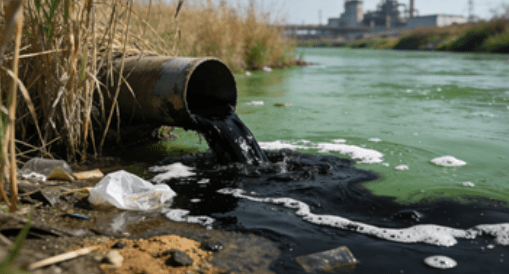
One of the most serious sewage waste management risks is uncontrolled environmental contamination. When untreated or partially treated wastewater enters rivers, lakes, or soil, it disrupts ecosystems and contaminates drinking water sources.
Surface Water Pollution
Discharge of insufficiently treated sewage can increase biochemical oxygen demand in water bodies. This leads to oxygen depletion, fish kills, and algae blooms that damage aquatic life.
Soil and Groundwater Impact
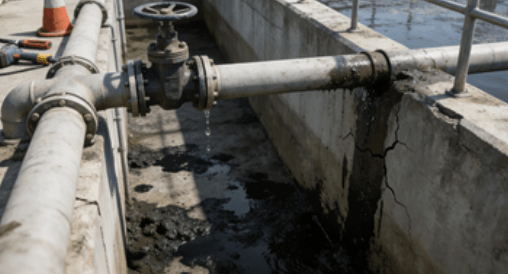
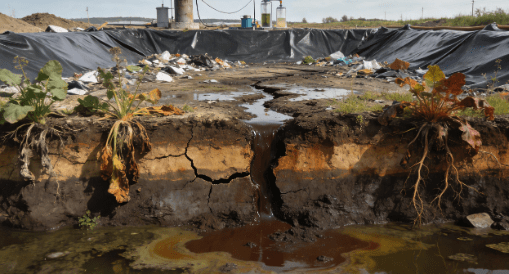
Leaking pipes, unlined lagoons, or improper sludge disposal can allow contaminants to infiltrate soil layers and groundwater aquifers. Once polluted, groundwater remediation becomes extremely expensive and time-consuming.
Environmental agencies increasingly monitor discharge quality, making this risk both ecological and regulatory.
Public Health Hazards from Poor Sewage Waste Management
Public health risks represent another shocking consequence of ineffective sewage waste management. Pathogens present in untreated wastewater can spread disease through multiple exposure pathways.
Waterborne Diseases
Bacteria, viruses, and parasites commonly found in sewage include E. coli, Salmonella, and Giardia. Exposure can occur through contaminated water supplies, recreational water, or agricultural irrigation.
Airborne Exposure and Odor Issues
Inadequate ventilation or treatment can release harmful gases such as hydrogen sulfide and ammonia. Long-term exposure may cause respiratory issues and reduce quality of life for nearby communities.
Public trust in utilities and industrial operators can erode rapidly when health risks become visible.
Regulatory and Legal Risks
Failure to comply with sewage waste management regulations can trigger severe legal consequences. Environmental laws are becoming stricter worldwide, and enforcement actions are increasingly aggressive.
Financial Penalties and Shutdowns
Regulatory agencies may impose fines, revoke operating permits, or mandate facility shutdowns for non-compliance. These penalties often exceed the cost of preventive upgrades.
Long-Term Liability
Environmental damage caused by sewage mismanagement can lead to lawsuits, cleanup obligations, and reputational harm that persists for years.
Compliance-driven investment is no longer optional; it is a fundamental risk management strategy.
Operational Failures and System Overload
Operational instability is a hidden but critical sewage waste management risk. Systems designed decades ago may no longer match current load conditions.
Capacity Overruns
Population growth and industrial expansion increase hydraulic and organic loads. Overloaded treatment units lose efficiency and increase discharge risks.
Equipment Wear and Failure
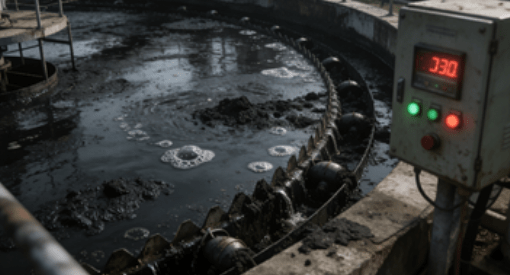
Mechanical components such as pumps, screw presses, and sedimentation systems degrade over time. Without proactive maintenance, failure becomes inevitable.
This risk often escalates silently until a major breakdown occurs.
Sludge Handling and Disposal Risks
Sludge management remains one of the most underestimated aspects of sewage waste management. Improper handling can undermine the entire treatment process.
Inadequate Dewatering
Poor sludge dewatering increases transport costs and disposal challenges. Equipment such as screw press systems are essential to reduce moisture content efficiently.
Disposal and Reuse Challenges
Improper sludge disposal can contaminate land and violate environmental standards. At the same time, missed opportunities for energy recovery and nutrient reuse represent economic losses.
Effective sludge management requires both technical optimization and regulatory alignment.
Energy Inefficiency and Hidden Costs
Energy consumption is a growing concern in sewage waste management facilities. Inefficient systems increase operational costs and carbon footprints.
High Energy Demand
Aeration systems, pumps, and thermal processes consume significant power. Older equipment often operates far below modern efficiency standards.
Missed Energy Recovery Opportunities
Anaerobic treatment processes can generate biogas, yet many facilities fail to capture and utilize this energy source. This represents a lost opportunity for cost reduction and sustainability.
Energy-focused upgrades can transform wastewater treatment from a cost center into a resource-generating operation.
Comparative Risk Overview in Sewage Waste Management
The table below summarizes common sewage waste management risks, their causes, and potential impacts.
| Risk Category | Primary Cause | Potential Impact |
|---|---|---|
| Environmental contamination | Inadequate treatment | Ecosystem damage, water pollution |
| Public health exposure | Pathogen release | Disease outbreaks |
| Regulatory violations | Non-compliance | Fines, shutdowns |
| Operational failure | Aging infrastructure | System downtime |
| Sludge mismanagement | Poor dewatering | Disposal costs |
| Energy inefficiency | Outdated equipment | High operating expenses |
Industry Perspectives on Sewage Waste Management Risks
Environmental engineers and regulatory experts consistently emphasize prevention over reaction. According to water infrastructure studies published in recent years, proactive system upgrades can reduce long-term costs by up to 40 percent compared to reactive maintenance strategies.
Regional preferences also influence risk mitigation. For example, densely populated urban areas prioritize compact integrated treatment systems, while industrial zones focus on pretreatment and load balancing solutions.
Conclusion
Sewage waste management risks extend far beyond unpleasant odors or visible pollution. They affect environmental sustainability, public health, regulatory compliance, and financial stability. Ignoring these risks exposes organizations to cascading failures that are difficult and costly to reverse.
By understanding the six shocking sewage waste management risks outlined in this article, stakeholders can make informed decisions about infrastructure upgrades, operational improvements, and long-term planning. Investing in reliable systems, modern equipment, and skilled management is not just an environmental responsibility—it is a strategic necessity.
FAQ
What is the biggest risk in sewage waste management?
Environmental contamination and public health exposure are considered the most critical risks due to their immediate and long-term impacts.
How can sewage waste management failures affect businesses?
Businesses may face regulatory fines, operational shutdowns, reputational damage, and increased liability costs.
Is sludge management part of sewage waste management?
Yes, sludge handling, dewatering, and disposal are essential components of effective sewage waste management systems.
Can modern technology reduce sewage waste management risks?
Advanced treatment systems, automation, and energy recovery technologies significantly reduce operational and compliance risks.
How often should sewage waste management systems be upgraded?
System evaluations should be conducted regularly, with major upgrades planned based on load growth, regulatory changes, and equipment lifespan.