
Key Points of This Article
- Importance of hygienic waste disposal in healthcare, industrial, and municipal sectors
- Advanced technologies: incineration, autoclaving, chemical treatment, anaerobic digestion
- Integration of automation, IoT, and AI in modern facilities
- Comparative analysis of traditional vs modern hygienic waste disposal methods
- Regulatory frameworks and international standards
- Case studies from hospitals, laboratories, and industrial parks
- Sustainability and circular economy in waste management
- Best practices, challenges, and emerging trends
Table of Contents
Introduction
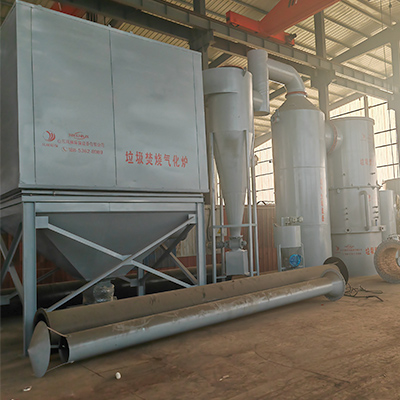
Hygienic waste disposal is no longer a secondary concern—it is a core pillar of public health, environmental protection, and sustainable operations. In 2026, healthcare and industrial sectors generate millions of tons of hazardous and infectious waste annually, posing significant risks if not managed properly. According to the World Health Organization, roughly 15% of healthcare waste is considered hazardous, including sharps, chemical residues, and infectious materials. Improper disposal can lead to outbreaks of disease, environmental contamination, and severe legal consequences.
Modern facilities are expected to handle complex waste streams efficiently, reduce environmental impact, ensure compliance with local and international regulations, and recover resources whenever possible. The convergence of automation, AI monitoring, and advanced treatment technologies is transforming traditional hygienic waste disposal into a smart, integrated system.
This article explores the latest trends, proven technologies, regulatory requirements, and real-world case studies that illustrate how to achieve safe, efficient, and compliant hygienic waste disposal.
Core Principles of Hygienic Waste Disposal
Understanding Types of Hygienic Waste
Different waste types demand different treatment strategies. Key categories include:
- Biological Waste: Blood, tissues, cultures, and other infectious materials. Must be sterilized to prevent pathogen spread.
- Chemical Waste: Pharmaceuticals, disinfectants, and laboratory chemicals. Requires detoxification before environmental release.
- Sharps Waste: Needles, scalpels, and broken glass. Must be contained to prevent injury and infection.
- Mixed Industrial Waste: Combined organic and chemical waste streams from laboratories and production facilities.
Proper segregation at source is critical. Studies show that facilities with robust segregation programs reduce cross-contamination by up to 35% and improve downstream treatment efficiency.
Integration of Disposal Stages
Modern hygienic waste disposal integrates multiple treatment stages:
- Pre-Treatment – Sorting, containment, and initial sterilization to prevent hazards during handling.
- Primary Treatment – Incineration, chemical neutralization, or autoclaving to inactivate pathogens and reduce waste volume.
- Secondary Treatment – Ash handling, residue stabilization, and air filtration to ensure environmental safety.
- Final Disposal – Environmentally compliant landfilling, recycling of inert materials, or energy recovery.
Integration improves efficiency, reduces human error, and ensures consistent compliance with stringent regulations.
Advanced Hygienic Waste Disposal Technologies
Medical Waste Incinerators
Concept Overview
Medical waste incinerators use controlled high-temperature combustion (850–1200℃) to oxidize hazardous waste. Precise control of temperature, oxygen, and residence time ensures complete neutralization of pathogens, pharmaceuticals, and chemical compounds.
Key Benefits
- Sterilizes pathogens including bacteria, viruses, and prions
- Reduces waste volume by up to 90%, decreasing storage and transportation costs
- Compatible with scrubbers and filters to minimize air pollution
Global Standards Compliance
- WHO Guidelines for Safe Disposal of Medical Waste
- EU Directive 2000/76/EC on Waste Incineration
- US EPA Clean Air Act compliance for emissions
Case Study
- Hospital, Beijing, China: Implementing dual-chamber incinerators reduced infectious waste by 85%, while generating energy for facility heating.
Autoclaving and Steam Sterilization
Concept Overview
Autoclaving uses high-pressure saturated steam (121–134℃) to sterilize infectious and sharps waste.
Advantages
- Non-combustion method, reducing air pollutants
- Effective for large volumes of biological waste
- Reusable sterilized materials are safer for recycling
Case Example
- Research Laboratory, Germany: Autoclaved contaminated glassware and cultures, achieving >99.99% pathogen elimination and reducing hazardous chemical disposal needs.
Chemical Neutralization
Concept Overview
Chemical treatment neutralizes toxic compounds and disinfects liquid and semi-solid waste. Common agents include chlorine, hydrogen peroxide, and alkalis.
Advantages
- Rapid detoxification of pharmaceutical and industrial chemical waste
- Can be combined with filtration and sedimentation
- Suitable for high-volume liquid waste streams
Compliance Standards
- ISO 14001: Environmental Management Systems
- OSHA guidelines for chemical handling and disposal
Anaerobic Digestion and Biogas Recovery
Concept Overview
Anaerobic digestion decomposes high-strength organic waste under oxygen-free conditions, producing methane for energy recovery and CO₂ as a safe byproduct.
Key Data
- Methane yield: 0.35–0.45 m³ CH₄ per kg COD removed
- COD reduction: 70–90%
- Sludge reduction: 30–50%
Benefits
- Offsets energy costs for facilities
- Reduces greenhouse gas emissions
- Suitable for food processing, breweries, and pharmaceutical waste
Smart Automation and IoT Integration
Concept Overview
Modern hygienic waste facilities use IoT sensors, AI monitoring, and SCADA systems to track temperature, chemical levels, and sterilization cycles.
Benefits
- Predictive maintenance reduces downtime by 20–30%
- Automated chemical dosing optimizes resource usage
- Continuous monitoring ensures compliance and safety
Case Example
- European Textile Plant: AI-controlled incineration reduced energy use by 18% and chemical costs by 12% annually.
Comparative Analysis: Traditional vs Modern Hygienic Waste Disposal
| Feature | Traditional Methods | Modern Methods |
|---|---|---|
| Treatment Stages | Manual, separate units | Integrated, automated |
| Pathogen Elimination | Partial | Complete sterilization |
| Waste Volume Reduction | 40–60% | 80–90% |
| Energy Use | High | Optimized, biogas/solar recovery |
| Safety | High human exposure risk | Minimal exposure |
| Compliance | Variable | Meets WHO, EPA, EU standards |
| Reuse/Recovery | Rare | Possible energy and material recovery |
Regulatory Standards and Compliance
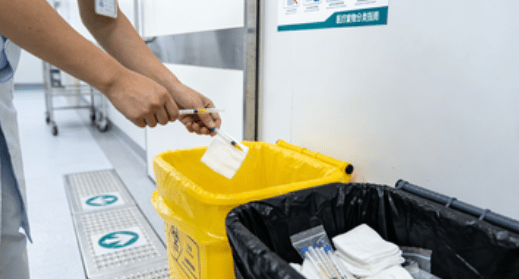
WHO Guidelines
- Safe handling, storage, and disposal of infectious and chemical waste
- Emphasis on source segregation and minimal environmental impact
EPA and Local Regulations
- USA: Clean Air Act, Resource Conservation and Recovery Act
- EU: Directive 2008/98/EC on Waste Framework, incineration emissions
- China: GB 18485-2014, regulations on medical waste disposal
ISO Certifications
- ISO 14001 for environmental management
- ISO 9001 for operational quality and process standardization
Insight: Studies show that facilities integrating automated monitoring and modern incineration are 35–50% more compliant than those using traditional methods.
Sustainability and Circular Economy
Water Recovery and Waste Minimization
- Autoclaving and chemical neutralization enable partial reuse of sterilized water
- Volume reduction technologies decrease landfill pressure
Energy Recovery
- Biogas from anaerobic digestion powers onsite facilities
- Incinerator heat can supplement building heating or generate electricity
Environmental Impact Metrics
- Reduction of greenhouse gas emissions: 20–30%
- Waste sent to landfill reduced by 50–70%
Case Studies of Hygienic Waste Disposal Facilities
- Shanxi Hospital, China
- Technology: Dual-chamber incinerator
- Outcome: COD reduction 85%, waste volume down 80%, compliant with national standards
- Zhejiang Textile Plant, China
- Technology: DAF pre-treatment + autoclaving
- Outcome: 90% dye removal, 60% water reuse, chemical consumption down 20%
- US Pharmaceutical Manufacturing
- Technology: AI-controlled incineration + chemical neutralization
- Outcome: Full compliance with EPA, minimal air emissions, reduced operator exposure
Hygienic Waste Disposal Best Practices
Source Segregation
Segregate biological, chemical, sharps, and mixed waste to optimize downstream treatment and minimize cross-contamination.
Volume Reduction
Use incinerators, autoclaves, and compactors to reduce storage and transport burdens.
Staff Training
Regular training programs ensure safe handling, compliance, and operational efficiency.
Emergency Response Planning
Preparedness plans reduce risks from spills, contamination, or equipment failures.
FAQ
Q1: What is the most effective method for high-risk hospital waste?
A: High-temperature incineration ensures pathogen destruction and maximum volume reduction.
Q2: Can sterilized waste be recycled?
A: Certain plastics and glass may be safely recycled depending on contamination.
Q3: How to choose between chemical treatment and incineration?
A: Incineration for infectious and sharps waste; chemical treatment for pharmaceutical or liquid toxic waste.
Q4: Are automated systems cost-effective?
A: Yes, automation reduces labor, improves compliance, and lowers long-term costs.
Q5: How often should equipment be maintained?
A: Routine inspections, calibration, and predictive maintenance are essential.
Emerging Trends in Hygienic Waste Disposal
Mobile Waste Disposal Units
Compact, mobile incinerators or autoclaves for rural hospitals and remote labs.
AI-Driven Risk Prediction
Machine learning models predict peak waste loads and optimize sterilization cycles.
Eco-Friendly Materials
Use of corrosion-resistant alloys and recycled materials in incinerators and autoclaves.
Hybrid Systems
Combination of incineration, chemical treatment, and anaerobic digestion to maximize safety, volume reduction, and resource recovery.
Conclusion
Efficient hygienic waste disposal is essential for environmental protection, public health, and regulatory compliance. Key trends include:
- Integration of automated, smart, and modular systems
- Use of incinerators, autoclaves, and chemical neutralization
- Adoption of AI and IoT for predictive and optimized operations
- Emphasis on sustainability, energy recovery, and water reuse
Facilities that adopt modern hygienic waste disposal methods achieve higher safety, lower operational costs, and sustainable compliance in the era of stricter regulations and environmental consciousness.
Investing in advanced hygienic waste disposal systems is not just a legal or ethical imperative—it is a strategic choice for operational resilience and sustainability.