
The Definitive Guide for Modern Waste Management Professionals
Industrial waste streams are among the most complex and challenging environmental problems facing businesses today—from petrochemical byproducts and expired pharmaceuticals to contaminated soil and e‑waste. As landfill capacity shrinks and regulatory frameworks tighten, industries are forced to rethink waste disposal strategies. At the forefront of these strategies lies the Industrial Incinerator, a high‑temperature thermal oxidation system capable of transforming hazardous and non‑recyclable waste into ash and flue gas with minimal environmental impact.
But not all incinerators are created equal. Choosing the right system can dramatically affect operational costs, environmental compliance, efficiency, and long‑term sustainability. This guide dives deep into the science, standards, economics, and strategic importance of industrial incineration. Whether you are a plant manager, environmental compliance officer, or procurement decision‑maker, you will gain actionable insights into selecting the best Industrial Incinerator for your needs.
Table of Contents
The Industrial Waste Challenge
Industrial sectors—including chemicals, energy, pharmaceuticals, electronics, and manufacturing—generate millions of tons of complex waste annually. According to the World Bank’s What a Waste 2.0 report, global waste production could reach 3.4 billion metric tons by 2050, nearly double the 2.01 billion tons recorded in 2016. While municipal waste captures public attention, industrial waste—often hazardous and non‑recyclable—poses greater risks to human health and ecosystems if mismanaged.
Industrial discharge includes solvent residues, chemical sludge, biologically contaminated materials, expired drugs, and toxic byproducts. Landfilling such materials can lead to groundwater contamination and persistent environmental harm. In contrast, thermal treatment through a well‑designed Industrial Incinerator can substantially reduce waste volume and toxicity, turning environmental liability into manageable byproducts.
Why Thermal Treatment Is Critical
Thermal oxidation— the core technology of industrial incineration—relies on controlled high‑temperature combustion to decompose complex chemical matter into simpler, stable compounds like carbon dioxide (CO₂), water vapor (H₂O), and inorganic ash.
Thermal decomposition in industrial incinerators typically occurs between 800°C and 1200°C, a range high enough to ensure complete breakdown of organic pollutants. Systems designed with optimized air intake, residence time, and advanced flue gas cleaning are capable of meeting some of the strictest environmental standards in the world.
The real advantage of modern Industrial Incinerator systems is their dual role: waste destruction and energy recovery. Heat released during combustion can be captured and reused, reducing energy costs and improving sustainability.
Market Size and Growth Dynamics
The market for industrial incinerators has grown steadily as industrialization expands and environmental compliance tightens.
According to Grand View Research, the global waste incineration equipment market—including industrial incinerators—was valued at USD 6.2 billion in 2023. It is projected to reach nearly USD 10 billion by 2030, growing at a CAGR of approximately 7.8% between 2023 and 2030. Drivers of this growth include:
- Stricter emissions regulations worldwide
- Growth in hazardous and complex waste streams
- Increased adoption of waste‑to‑energy technologies
- Corporate ESG (Environmental, Social, Governance) commitments
- Technological advancements in flue gas treatment and automation
A report from MarketsandMarkets highlights that industrial incineration systems form a critical component of modern circular economy strategies, especially in developed economies where reducing landfill dependence is a policy priority.
Comparing Waste Management Options
Before selecting an Industrial Incinerator, it is helpful to understand how it compares to alternative waste management solutions:
| Strategy | Volume Reduction | Environmental Impact | Cost Category | Compliance Difficulty |
|---|---|---|---|---|
| Landfilling | Low | High risk of contamination | Low – Medium | High |
| Chemical Neutralization | Medium | Moderate | Medium | Medium |
| Thermal Incineration | High (up to 90% reduction) | Lowest with emission controls | Medium – High | Medium – Low |
| Biological Treatment | Varies | Generally low | Medium | High |
This table illustrates that thermal incineration ranks highest in environmental safety and waste volume reduction when paired with modern emission control systems.
Standards and Regulations That Define Performance
Industrial incinerators operate under strict regulatory frameworks in major markets. These regulations ensure that combustion byproducts do not harm air quality or public health.
United States: EPA and Clean Air Act Requirements
In the U.S., the Environmental Protection Agency (EPA) categorizes industrial incineration under air pollution control programs including:
- Clean Air Act (CAA)
- 40 CFR Part 60 (NSPS) for new source performance standards
- 40 CFR Part 63 (NESHAP) for hazardous air pollutants
- Waste Combustion MACT (Maximum Achievable Control Technology)
These standards impose limits on emissions of particulate matter, sulfur oxides (SOx), nitrogen oxides (NOx), mercury, dioxins, and furans. For example, dioxins and furans are regulated to levels as low as 0.2 ng TEQ/m³ (nanograms of toxic equivalence per cubic meter), requiring advanced flue gas cleaning technologies like activated carbon injection and catalytic systems.
European Union: Industrial Emissions Directive (IED) and BAT
In the EU, industrial incinerators fall under the Industrial Emissions Directive (IED, 2010/75/EU). This directive incorporates BAT (Best Available Techniques) conclusions for waste incineration, as outlined in the Waste Incineration BREF (Best Available Techniques Reference Document). BAT reference levels set emission limits for:
- NOx
- SO₂
- PM (Particulate Matter)
- Acid gases (HCl)
- Heavy metals
- Dioxins and furans
Compliance with BAT is mandatory for EU member states, and operators must implement advanced emission control measures such as electrostatic precipitators, flue gas desulfurization (FGD), and selective catalytic reduction (SCR).
ISO and International Best Practices
International Standards Organization (ISO) standards commonly referenced in industrial incinerator design and operation include:
- ISO 9001 — Quality Management Systems
- ISO 14001 — Environmental Management Systems
- ISO 50001 — Energy Management
- ISO 24000 — Environmental — Waste Management
These standards align incinerator operations with broader corporate sustainability goals and facilitate international certification.
Anatomy and Operation of an Industrial Incinerator
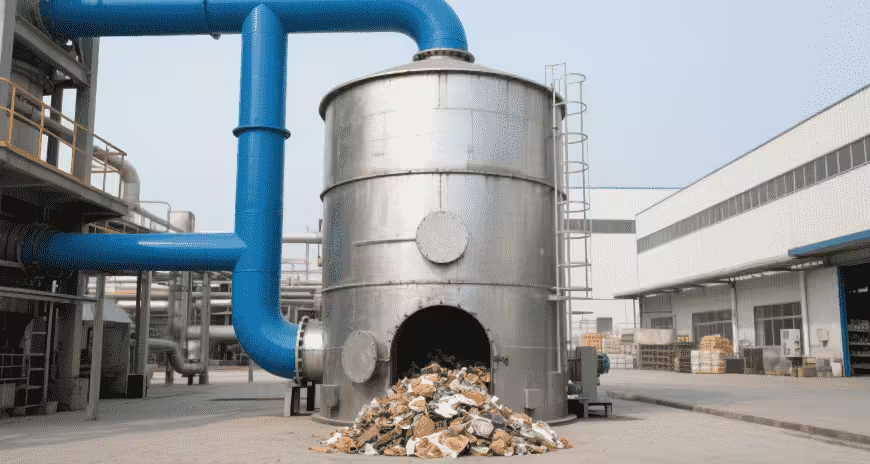
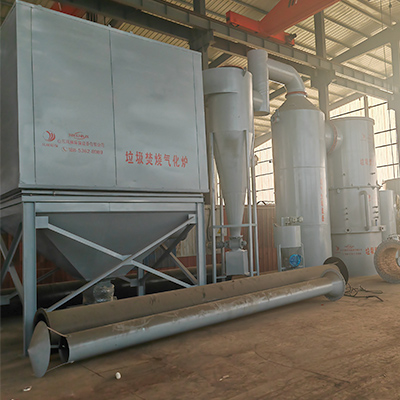
An Industrial Incinerator generally consists of multiple functional components working in concert:
Primary Combustion Chamber
The first stage where waste enters and is subjected to initial high‑temperature combustion. Temperature is usually maintained between 800°C and 1100°C, ensuring rapid oxidation.
Secondary Combustion Zone
Additional air is introduced to complete the breakdown of remaining organic compounds. Secondary chambers often reach temperatures above 1100°C to ensure total destruction of complex molecules.
Flue Gas Treatment
Once combustion is complete, flue gases undergo purification processes including:
- Cyclone separators for particulate removal
- Scrubbers for acid gas neutralization
- Electrostatic precipitators
- Catalytic converters for NOx reduction
Heat Recovery System
Recovered heat can be used for facility heating, steam generation, or industrial reuse. Heat recovery increases overall energy efficiency and reduces net operational cost. Systems designed for energy recovery are often termed waste‑to‑energy (WtE) incinerators.
Ash Handling and Disposal
Residual ash—typically <10% of original waste volume—is collected and analyzed for hazardous content. Non‑hazardous ash can sometimes be repurposed or disposed of safely in regulated landfills.
Types of Industrial Incineration Technologies
Choosing the right technology depends on waste volume, waste type, regulatory compliance needs, and operational goals.
Rotary Kiln Incinerators
Rotary kiln systems feature a rotating cylindrical chamber that allows uniform heat distribution and extended residence time, making them ideal for highly heterogeneous waste streams such as:
- Chemical sludge
- Contaminated soils
- Heavy industrial byproducts
Advantages:
- Excellent mixing and consistent combustion
- Handles wide range of waste types
- Integrated heat recovery systems
Considerations:
- Higher capital cost
- Larger footprint
Fixed Hearth Incinerators
Fixed hearth systems use stationary refractory floors with controlled burners and are well suited for internal combustion of laboratory waste, pharmaceuticals, and biomedical residues.
Advantages:
- Simpler design
- Easier maintenance
- Lower operational complexity
Considerations:
- Limited throughput capacity
- Best for medium‑scale applications
Fluidized Bed Incinerators
Fluidized bed systems use hot inert material (usually sand) to suspend waste particles, promoting efficient heat transfer and rapid combustion. They work well with:
- Biomass residues
- Sludge
- Low‑density industrial waste
Advantages:
- High thermal efficiency
- Superior heat distribution
- Good for energy recovery
Considerations:
- Complex operation
- Higher training requirements
Economic Considerations and Total Cost of Ownership
When selecting an Industrial Incinerator, cost goes beyond purchase price. Consider:
| Category | Typical Cost Range | Notes |
|---|---|---|
| Capital Expenditure | $500,000 – $5,000,000+ | Depends on type, capacity, and automation |
| Installation & Civil Works | $100,000 – $400,000 | Includes foundations, piping, utilities |
| Flue Gas Cleaning Systems | $200,000 – $1,000,000+ | Required for strict emission compliance |
| Annual Operation & Maintenance | $50,000 – $250,000 | Fuel, labor, filters, catalysts |
| Energy Recovery Payback | Variable | Can offset costs if heat is reused |
Energy recovery systems significantly improve ROI through reduced fuel costs and potential revenue from steam or electricity sales.
Environmental Performance and Emission Controls
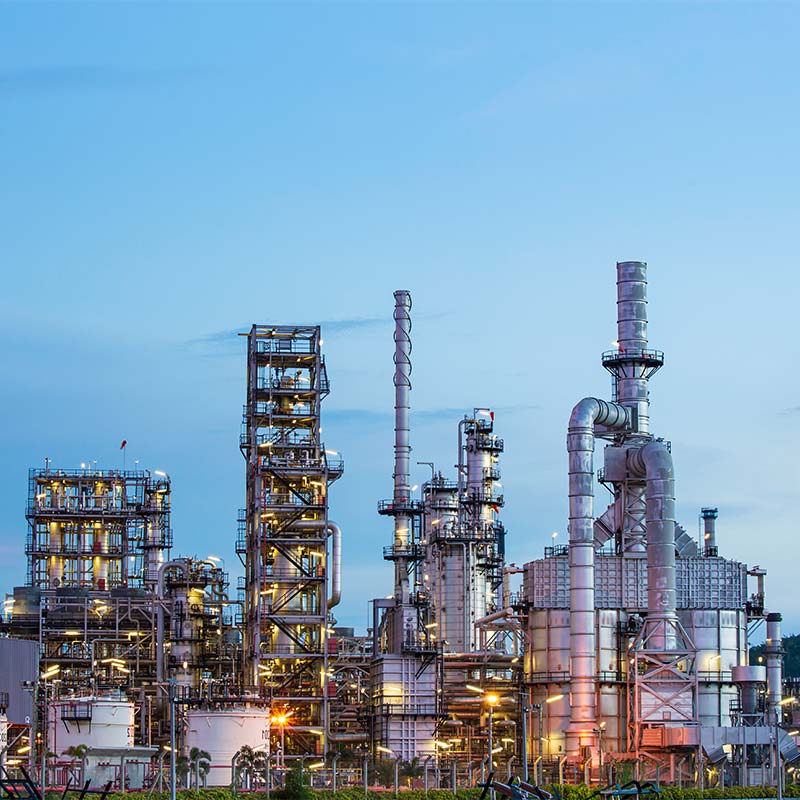
Modern incinerators rely on multi‑stage pollution controls to comply with strict regulations.
Particulate Control
Methods include electrostatic precipitators (ESPs) and baghouse filters capable of reducing PM to < 10 mg/Nm³ in many jurisdictions.
Acid Gas Neutralization
Scrubbers using alkaline solutions (e.g., lime, caustic soda) neutralize sulfur dioxide (SO₂) and hydrogen chloride (HCl).
NOx Reduction
Selective catalytic reduction (SCR) systems reduce NOx emissions by converting them into nitrogen and water using catalysts.
Dioxin and Furan Mitigation
Activated carbon injection (ACI) systems adsorb trace organics, and optimal combustion reduces formation of toxic byproducts.
Real‑World Success Stories
Petrochemical Plant Hazardous Waste Program
A major U.S. petrochemical facility installed a rotary kiln Industrial Incinerator to handle solvent residues, catalyst fines, and contaminated soils. Results included:
- 85% volume reduction
- Compliance with EPA MACT emission limits
- Waste heat utilized for pre‑heating process streams
- Energy cost savings of 12% annually
Pharmaceutical Cleanroom Waste Management
A global pharmaceutical manufacturer transitioned from off‑site disposal to an on‑site fixed hearth incineration system for controlled destruction of biological materials and expired compounds. They achieved:
- Zero non‑compliant emissions
- Reduced transportation liability
- Improved regulatory audit outcomes
Electronics Recycler Thermal Decomposition
An electronics recycling facility in Europe used fluidized bed incineration to process polymer coatings and complex circuit board waste. Advantages included:
- Regulatory compliance under EU IED
- Lower residual ash toxicity
- Integration with energy reuse systems
Advanced Operational Best Practices
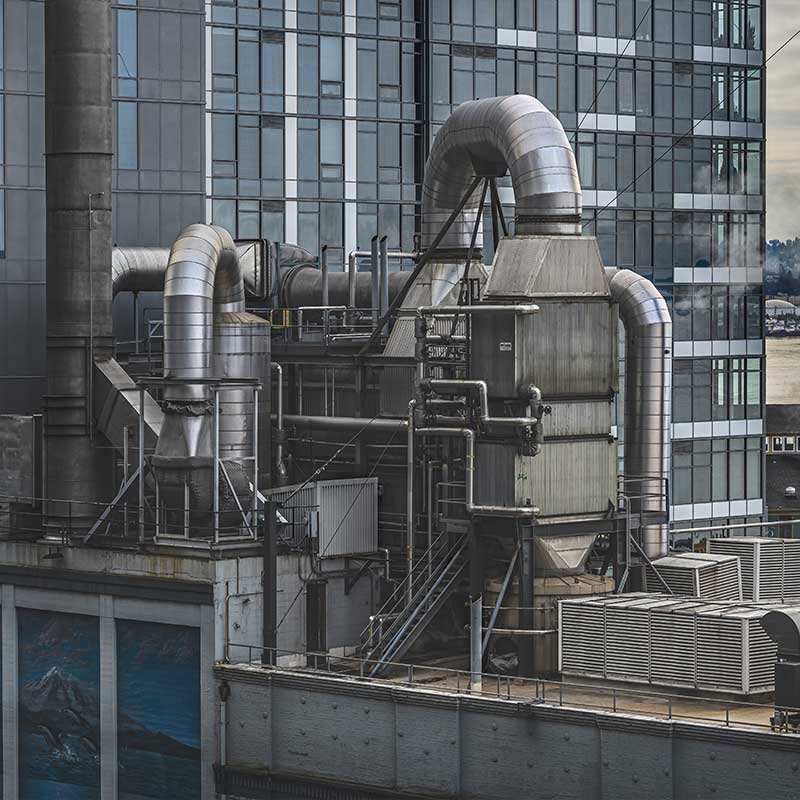
Automated Control Systems
Modern systems use PLCs and SCADA for precise control of temperature, airflow, and flue gas treatment, reducing manual intervention and error margins.
Predictive Maintenance
IoT sensors and analytics predict wear and performance issues before failures occur, extending equipment life and reducing unplanned downtime.
Continuous Emission Monitoring Systems (CEMS)
CEMS provide real‑time data on SO₂, NOx, CO, and particulates, essential for regulatory reporting and compliance assurance.
Conclusion
An Industrial Incinerator is a strategic investment that goes beyond waste disposal—it is a pivotal technology for achieving environmental compliance, operational efficiency, and sustainable waste management in industrial settings. With the right selection, integration, and operational strategy, businesses can achieve meaningful reductions in waste volume, improved environmental performance, and even recover usable energy.
By understanding waste streams, regulatory landscapes, technical differences, and economic factors, decision‑makers can confidently choose the best industrial incineration solution for their specific needs.
FAQ
What waste types can be incinerated?
Chemical, pharmaceutical, oily sludge, biomedical, laboratory waste, polymer residues, and certain classified hazardous wastes.
How long is the typical lifespan of an industrial incinerator?
With proper maintenance, refractory linings and structural components can last 10–20+ years.
Does incineration produce energy?
Yes—captured thermal energy can be used for steam, hot water, or electricity generation.
How do I choose between rotary kiln, fixed hearth, or fluidized bed?
Assess waste composition, volume, emission requirements, energy reuse goals, and available space.
What safety features are essential?
Emergency shutoffs, redundant temperature controls, flame monitoring, and access restrictions during operation.
Do industrial incinerators require permits?
Yes—permits are required in most jurisdictions and often specify emission limits and monitoring protocols.
How is ash handled after combustion?
Ash is analyzed for hazardous content. Non‑hazardous ash can go to regulated landfills; hazardous ash may require stabilization before disposal.