
Key Takeaways for This Guide
- The essential role of a Medical Waste Incinerator in biohazard management
- High-temperature combustion and pathogen neutralization
- Air emission standards and compliance with EPA & international regulations
- Comparison of incineration vs other medical waste treatments
- Emission control systems and environmental safeguards
- Case studies from hospitals, labs, and pharmaceutical facilities
- Practical operation, maintenance, and safety practices
- Real-world data and performance standards
- Frequently Asked Questions (FAQ) for quick clarity
Medical waste poses a serious threat to public health and the environment if not disposed of properly. With the increase in infectious diseases, pharmaceutical residues, and regulated hazardous waste streams, safe disposal technologies have become critical. Among all technologies, the Medical Waste Incinerator remains one of the most effective and compliant solutions when deployed correctly, adhering to stringent safety and environmental standards. This article dives deep into how incinerators ensure safety compliance and protect both people and the planet.
Table of Contents
What Is a Medical Waste Incinerator?
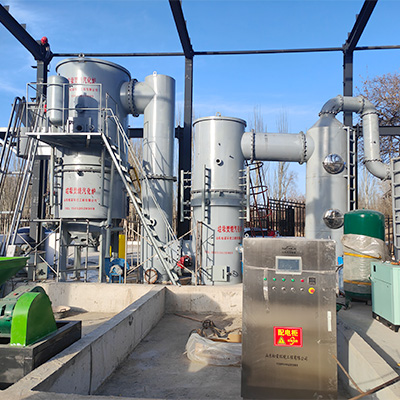
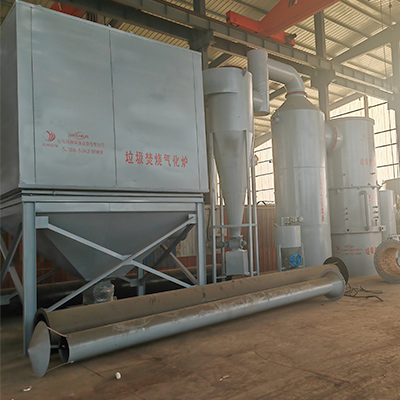
A Medical Waste Incinerator is a high-tech combustion system designed to destroy hazardous medical waste through controlled thermal oxidation. Operating typically between 850℃ and 1200℃, the process breaks down harmful organic and biological materials into inert ash, carbon dioxide (CO₂), and water vapor. This ensures total pathogen destruction, chemical detoxification, and significant volume reduction.
High-temperature combustion also helps convert complex toxic compounds into safer end products, minimizing the risk of secondary contamination. The controlled environment, optimized oxygen levels, and residence time are all critical parameters that make incineration effective and safe.
Why High-Temperature Combustion Matters
Pathogen Neutralization
Medical waste often includes infectious materials like used syringes, contaminated PPE, and surgical dressings. The incineration process destroys pathogens—such as bacteria, viruses, and spores—by exposing them to sustained high heat that they cannot survive.
At 850–1200℃, temperatures far exceed the threshold needed to denature proteins and genetic material, ensuring no viable organisms remain following combustion. This biochemical breakdown is essential for infection control and worker safety.
Chemical Detoxification
Beyond biological risks, medical waste can contain chemical residues from pharmaceuticals, reagents, and industrial byproducts. In the combustion chamber, these substances undergo thermochemical oxidation, dismantling their molecular structures into non-hazardous byproducts such as CO₂ and water vapor.
Volume Reduction
Incinerators can reduce waste volume by up to 90%, significantly easing storage, transport, and final disposal of residues. This reduction also lowers labor costs and storage space requirements for healthcare facilities.
Regulatory Standards and Air Emissions Compliance

Ensuring emissions remain within safe limits is a cornerstone of Medical Waste Incinerator compliance.
U.S. EPA Regulations
In the United States, the Environmental Protection Agency (EPA) has established the Hospital/Medical/Infectious Waste Incinerator (HMIWI) standards under Section 129 of the Clean Air Act. These New Source Performance Standards (NSPS) and emission guidelines target multiple key pollutants, including cadmium, carbon monoxide, hydrogen chloride, lead, mercury, nitrogen oxides, particulates, dioxins/furans, and sulfur dioxide.
The EPA’s regulations aim to drastically reduce the release of harmful substances. For example, stringent controls limit emissions of heavy metals and persistent organic pollutants to protect air quality and public health.
Historical EPA Action
In 1997, EPA issued a federal rule to significantly cut harmful air pollution from medical waste incinerators, targeting reductions of up to 95% for dioxin emissions and 94% for mercury. Other pollutants like particulate matter, lead, and sulphur dioxide were restricted by 75–98% compared to uncontrolled levels.
California Air Resources Board (CARB) Standards
In California, additional measures such as the Dioxins Airborne Toxic Control Measure for Medical Waste Incinerators require operators to reduce dioxins emissions by 99% or to a maximum of 10 nanograms per kilogram of waste burned, among other limits, and mandate specific operator training and reporting procedures.
Emission Limits Overview
Detailed emission thresholds under U.S. guidelines include limits for particulate matter, lead, cadmium, dioxins, and more. A federal registry chart illustrates how limits tighten with new sources, particularly for toxic emissions like hydrogen chloride and heavy metals.
| Pollutant | New Standard Limit (mg/dscm or ng/dscm) | Target Reduction |
|---|---|---|
| Dioxins/Furans | 25 ng/dscm | High reduction |
| Lead | 0.07 mg/dscm | ~98% reduction |
| Cadmium | 0.04 mg/dscm | ~90% reduction |
| Particulate Matter | 34 mg/dscm | Improved performance |
| Mercury | 0.55 mg/dscm | Emissions control |
| (Data based on U.S. EPA emission guidelines) |
This table demonstrates how modern incinerators must meet strict pollutant standards to remain compliant with environmental safety benchmarks.
Medical Waste Incinerator vs Alternative Technologies
Although incineration is a proven method, it’s useful to compare it with other medical waste treatments:
| Technology | Strengths | Limitations |
|---|---|---|
| Medical Waste Incinerator | Complete sterilization, high volume reduction | Requires stringent emission controls and higher cost |
| Autoclaving/Sterilization | Lower emissions, lower energy use | Not suitable for chemical or pharmaceutical wastes |
| Microwave Treatment | Effective for infectious waste | Does not address chemical toxicity fully |
| Chemical Treatment | Can disinfect small batch waste | Produces chemical residues, limited pathogen neutralization |
Incinerators remain superior where mixed waste streams—including chemical, pathological, and infectious materials—require thorough neutralization, comprehensive volume reduction, and regulatory compliance.
Emission Control Technologies
Advanced Medical Waste Incinerator systems integrate emission control components to ensure safety and environmental compliance:
Scrubbers
Wet or dry scrubbers neutralize acid gases such as hydrogen chloride (HCl) before they enter the air, protecting air quality.
Filters and Catalytic Converters
HEPA filters and activated carbon capture particulates, heavy metals, and organic pollutants, including dioxins and furans, ensuring emissions meet or fall below regulatory criteria.
Continuous Emission Monitoring
Sensors track temperature, oxygen levels, and pollutant concentrations in real time, allowing operators to adjust combustion parameters and maintain compliance.
Global and Environmental Considerations
Medical Waste Volumes and Risks
According to the World Health Organization, approximately 15% of healthcare waste is hazardous, with the remainder non-hazardous. Improper treatment—such as open burning—can release dioxins, furans, and particulate matter, harming communities and ecosystems.
Sustainable Practices
Emerging practices emphasize emission capture, energy recovery, and waste minimization. While incineration remains dominant (accounting for 60–75% of global medical waste treatment), new technologies like plasma gasification or thermal pyrolysis are gaining attention for their environmental benefits.
Some systems are designed as hybrid units combining incineration with gasification or energy recovery to provide heat or power while maintaining safe emission limits.
Real-World Case Studies
Hospital Implementation
A major metropolitan hospital adopted a continuous-feed Medical Waste Incinerator to handle its daily infectious waste. The system achieved:
- ~88% reduction in waste volume
- Consistent emissions within EPA-defined limits
- Improved workflow and safer disposal for clinical staff
This facility passed consecutive annual inspections by state environmental authorities, demonstrating long-term compliance and operational excellence.
Emergency Deployments
During health crises, mobile incineration units have been deployed in field hospitals to quickly and safely process infectious waste. These compact systems maintain combustion above 850℃, ensuring pathogens are destroyed before waste is discharged as sterile ash.
Operational Safety, Facility Management & Best Practices
Staff Training and Certification
Proper operation requires trained personnel. In some jurisdictions, operators must obtain certification or complete formal training programs before managing incinerators.
Routine Inspection and Calibration
- Daily checks of temperature and oxygen controls
- Regular maintenance of scrubbers and filters
- Scheduled emission performance testing
Documentation and Record Keeping
Maintaining compliance records—including emission reports, maintenance logs, and operator certificates—is critical for audits and regulatory reviews.
Conclusion
A Medical Waste Incinerator is a frontline technology in managing hazardous and infectious waste safely and compliantly. By combining high-temperature combustion, robust emission control systems, and adherence to stringent air quality standards, incinerators protect public health, workers, and the environment. Proper operation, continuous monitoring, and regulatory compliance ensure that medical facilities can dispose of dangerous waste without harmful repercussions. With evolving technologies and international guidelines, modern incineration solutions remain essential in responsible healthcare waste management.
FAQ
What laws regulate medical waste incinerator emissions?
Standards like EPA’s HMIWI regulations, Clean Air Act Section 129, and state-level rules set pollutant limits and operational protocols.
Can incinerators treat all types of medical waste?
Yes—biohazardous, chemical, pharmaceutical, and infectious wastes can be safely combusted when the system is designed for mixed streams.
How often should emissions be tested?
Continuous monitoring is best; formal emission compliance tests are typically required quarterly or annually, depending on local law.
Are there alternatives to incineration?
Yes—autoclaves, microwave and chemical systems are used for some waste types, but incineration remains most comprehensive.
What safety gear should operators use?
Operators should use gloves, respirators, goggles, and heat-resistant clothing to manage waste and maintenance.