

Key Points Covered in This Blog
- Definition and principle of a Waste Gas Incinerator
- Step-by-step operation of a Waste Gas Incinerator
- Detailed explanation of core components and design considerations
- Industrial applications and typical workflows
- Advantages and environmental benefits
- Maintenance and operational tips
- Frequently asked questions
Table of Contents
Introduction
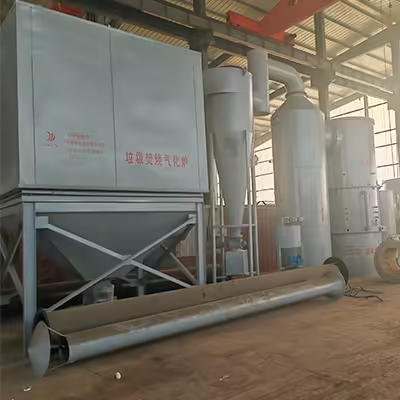
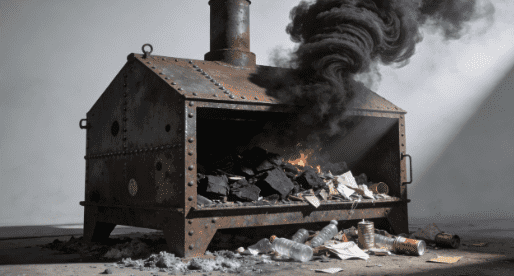
A Waste Gas Incinerator is a specialized thermal treatment device used to neutralize hazardous gases and odorous emissions from industrial processes. Unlike simple filtration systems, this equipment uses high-temperature oxidation to completely break down volatile organic compounds (VOCs), malodorous substances, and other toxic gases into harmless byproducts, primarily carbon dioxide (CO₂) and water vapor (H₂O).
The principle behind a Waste Gas Incinerator is straightforward yet highly effective: exposing waste gases to controlled high temperatures in the presence of oxygen ensures complete combustion of organic pollutants. The result is emission control that is both environmentally compliant and operationally efficient.
Step-by-Step Operation of a Waste Gas Incinerator
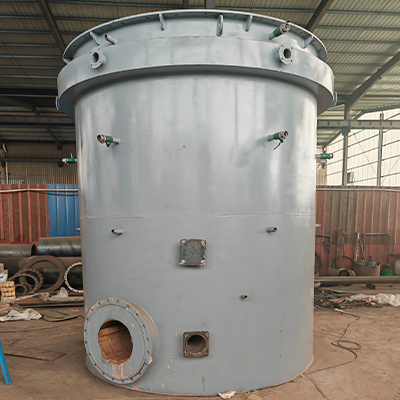
Operating a Waste Gas Incinerator is a precise and carefully controlled process. Each stage plays a critical role in ensuring maximum destruction of hazardous pollutants while maintaining operational safety and energy efficiency. The steps below explain how a Waste Gas Incinerator transforms harmful industrial gases into environmentally safe byproducts.
Step 1: Gas Collection
The first stage of operation involves capturing waste gases from various points in the industrial facility. These gases can come from:
- Production processes, such as chemical synthesis or solvent evaporation
- Exhaust hoods over workstations or reactors
- Vent stacks connected to storage tanks or pipelines
Once collected, the waste gas is analyzed for its chemical composition. This is crucial because the types and concentrations of organic compounds determine the combustion temperature, oxygen requirement, and residence time needed for complete oxidation.
Flow rates are also measured carefully. By knowing how fast the gas moves through the system, engineers can design a combustion chamber that provides sufficient residence time, ensuring that every molecule of hazardous gas is treated effectively.
Accurate gas collection and analysis prevent incomplete combustion, reduce the formation of secondary pollutants, and ensure compliance with environmental regulations.
Step 2: Preheating
Before entering the main combustion chamber, many waste gases are passed through a preheating system. Preheating serves several important purposes:
- Temperature stabilization: Raising the gas temperature to a consistent level prevents cold spots in the combustion chamber.
- Reduced thermal shock: Rapid heating of the combustion chamber can stress materials; preheating gradually brings the gas closer to the required temperature.
- Energy efficiency: Preheating often utilizes heat recovered from the exhaust stream, reducing the fuel needed to maintain high chamber temperatures.
Preheating is especially important for gases containing heavy hydrocarbons or high concentrations of VOCs, as it ensures these compounds ignite quickly and burn completely once they reach the combustion chamber.
Step 3: Combustion Chamber Entry
After preheating, the gas enters the main combustion chamber, the core component of the Waste Gas Incinerator. The chamber is engineered to maintain high temperatures between 800°C and 1200°C, which are essential for breaking down complex organic molecules.
Inside the chamber:
- Gas is evenly distributed using turbulent flow patterns, ensuring that all portions of the gas are exposed to the heat.
- Advanced burners may supplement the heat for gases that are difficult to oxidize.
- The chamber walls are insulated and constructed from high-temperature-resistant materials to withstand continuous thermal stress.
This stage ensures that the gas is exposed to conditions suitable for complete thermal oxidation, preventing incomplete combustion and the release of unburned pollutants.
Step 4: Thermal Oxidation
Once inside the chamber, thermal oxidation occurs. Organic compounds react with oxygen under high temperatures, breaking down into carbon dioxide (CO₂) and water vapor (H₂O).
Key aspects of this stage include:
- Chemical reactions: Complex VOCs, solvents, and toxic gases undergo oxidation reactions, which dismantle hazardous molecules into simpler, non-toxic forms.
- Temperature control: Continuous monitoring ensures that the chamber remains within the optimal temperature range. If temperatures drop too low, some compounds may not fully oxidize, producing secondary pollutants.
- Safety measures: Sensors detect gas composition, temperature, and pressure to prevent over- or under-combustion.
This step is the heart of the incineration process, where the hazardous properties of industrial gases are neutralized efficiently.
Step 5: Retention and Mixing
To guarantee complete oxidation, the gas must remain in the combustion chamber long enough for the chemical reactions to finish. This is called residence time, and it is carefully calculated based on gas composition, flow rate, and chamber design.
- High-efficiency burners, oxygen injectors, or heat exchangers help ensure proper mixing of gas and air.
- Automated control systems constantly adjust airflow, fuel supply, and temperature, maintaining optimal combustion conditions.
- Proper retention and mixing minimize unburned hydrocarbons, reducing VOC emissions and odors.
This step is critical for achieving environmental compliance and ensuring that even stubborn compounds are fully treated.
Step 6: Emission Discharge
After successful oxidation, the cleaned gas exits the system through an exhaust stack. At this stage:
- Additional filters or scrubbers may be used to capture particulate matter, acids, or other residual contaminants.
- Exhaust is continuously monitored for temperature, VOC concentration, and odor levels, ensuring compliance with local or international standards.
- Energy recovery systems may capture residual heat from the exhaust for preheating incoming gases, improving overall system efficiency.
This final step ensures that the treated gas released into the atmosphere is non-toxic, odor-free, and safe for the environment. Regular monitoring also allows operators to detect any operational issues early, maintaining the reliability of the system.
Core Components and Design Features of a Waste Gas Incinerator
A well-engineered Waste Gas Incinerator includes multiple components working together to ensure maximum efficiency:
1. Combustion Chamber
- Constructed from high-temperature-resistant materials to withstand prolonged thermal stress.
- Chamber size and insulation thickness are calculated based on gas volume and residence time requirements.
2. Burner System
- Provides supplementary heat for difficult-to-oxidize gases.
- Can be natural gas, diesel, or LPG-fueled depending on industrial needs.
3. Control System
- Automated systems monitor temperature, oxygen levels, and gas flow.
- Adjustments are made in real-time to prevent incomplete combustion.
4. Heat Exchanger
- Recovers energy from exhaust gases for preheating incoming waste gas.
- Enhances overall energy efficiency and reduces operational costs.
5. Exhaust Stack and Scrubbers
- Safely discharges treated gas into the atmosphere.
- Scrubbers or additional filters remove residual particles or acids.
Here’s a detailed comparison of key functions and features:
| Function | Description |
|---|---|
| Thermal Oxidation | High temperatures oxidize organic pollutants into CO₂ and H₂O |
| Emission Neutralization | Converts hazardous gases into environmentally safe compounds |
| Odor Removal | Eliminates foul smells from industrial exhaust |
| Combustion Control | Regulates temperature, gas-air ratio, and residence time |
| Compliance Support | Ensures adherence to national and international emission standards |
| Energy Efficiency | Heat recovery systems improve fuel efficiency |
| Robust Construction | Corrosion-resistant design for long-term industrial use |
Industrial Applications: Step-by-Step Scenarios
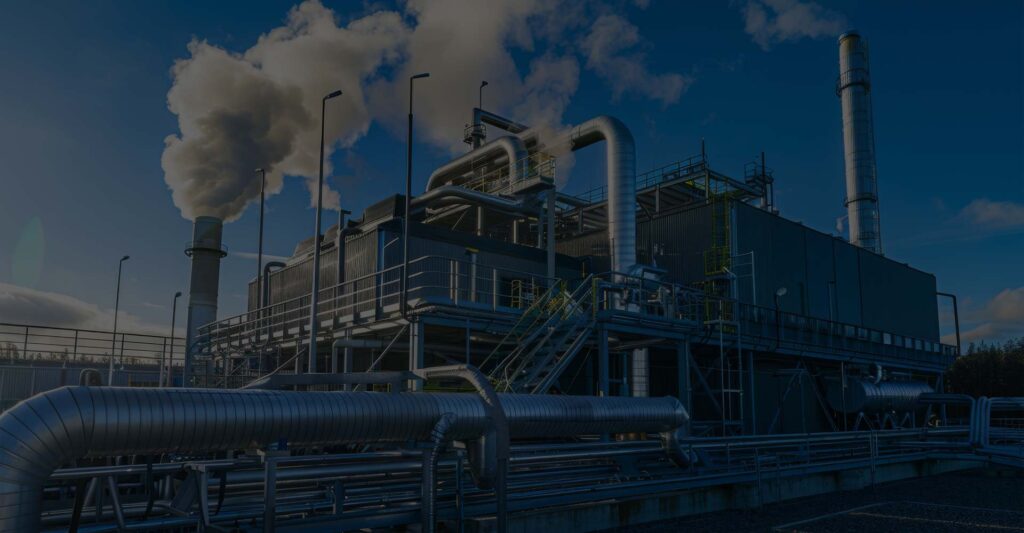
A Waste Gas Incinerator is versatile across multiple industries. Here’s a detailed look at typical workflows:
Chemical and Petrochemical Plants
- Collect solvent-heavy process gas streams.
- Preheat gas to the required combustion temperature.
- Oxidize VOCs and hydrocarbons in the main chamber.
- Discharge cleaned gas through monitored exhaust systems.
Pharmaceutical Manufacturing
- Capture reactive organic emissions during chemical synthesis.
- Preheat and control oxygen supply for complete oxidation.
- Treat gas in high-temperature combustion chamber.
- Ensure compliance with cleanroom air standards before discharge.
Paint and Coating Factories
- Collect solvent fumes from spraying and curing processes.
- Oxidize resins and VOCs efficiently.
- Reduce malodors and minimize volatile emissions.
- Monitor exhaust for regulatory compliance.
Waste Treatment Facilities
- Capture odorous and toxic gases from sludge or leachate processes.
- Maintain continuous high-temperature treatment for full decomposition.
- Release odor-free and non-toxic gases safely into the environment.
Electronics and Semiconductor Industry
- Collect acid fumes and process gases.
- Preheat gas to reduce thermal shock to the system.
- Oxidize toxic compounds completely.
- Ensure emissions meet industry-specific environmental standards.
Advantages of Waste Gas Incinerators
High Pollutant Destruction Efficiency
One of the most significant benefits of a Waste Gas Incinerator is its ability to destroy a large proportion of organic pollutants. Modern incinerators can achieve a destruction efficiency of ≥99%, ensuring that volatile organic compounds (VOCs), solvents, and other hazardous gases are fully oxidized into harmless carbon dioxide and water vapor. This high efficiency reduces the risk of environmental contamination and protects both workers and surrounding communities from exposure to toxic emissions.
Wide Operating Temperature Range
Waste Gas Incinerators are designed to operate effectively across a wide temperature range, typically from 800°C to 1200°C. This flexibility allows the system to treat a variety of industrial gases, including those with different chemical compositions and combustion characteristics. Maintaining optimal temperatures ensures complete oxidation, prevents the formation of secondary pollutants, and improves overall reliability of the system under varying operational conditions.
Energy-Efficient Designs
Energy efficiency is a key consideration in modern Waste Gas Incinerators. Many systems incorporate heat exchangers and preheating mechanisms, which capture residual heat from exhaust gases to warm incoming waste streams. This design reduces fuel consumption, lowers operational costs, and minimizes the environmental footprint of the incineration process, making it more sustainable for long-term industrial use.
Compliance Support
Industrial facilities face strict regulations regarding emissions of VOCs, NOx, and odorous compounds. A Waste Gas Incinerator helps businesses comply with these standards by ensuring that harmful gases are fully oxidized and safely released. Automated monitoring and precise control of temperature and airflow further enhance regulatory compliance, reducing the risk of fines or operational shutdowns due to non-compliance.
Durability and Robust Construction
Waste Gas Incinerators are built from corrosion-resistant materials and designed to withstand high-temperature operations over extended periods. This robust construction ensures a long operational lifespan, minimizes downtime, and reduces maintenance costs. Durable systems are particularly important in industrial environments where aggressive chemicals or fluctuating gas compositions can quickly degrade inferior equipment.
Automation for Consistent Performance
Modern Waste Gas Incinerators often feature automated control systems that manage temperature, gas flow, and oxygen supply in real-time. Automation reduces the need for constant manual intervention, ensures stable operation, and maintains consistent pollutant destruction efficiency. By optimizing combustion parameters automatically, these systems enhance safety, improve reliability, and allow operators to focus on other critical tasks within the facility.
Maintenance and Operational Tips
For long-term performance, consider these steps:
- Routine Inspection: Check burners, sensors, and control panels weekly.
- Clean Combustion Chamber: Remove ash or deposits to maintain heat transfer efficiency.
- Monitor Gas Composition: Ensure feed gas matches system design to prevent incomplete oxidation.
- Calibrate Controls: Regular calibration of temperature and oxygen sensors improves efficiency.
- Check Exhaust System: Maintain scrubbers and filters for uninterrupted compliance.
Conclusion
In summary, a Waste Gas Incinerator is an essential tool for modern industrial operations, transforming hazardous emissions into safe byproducts through controlled high-temperature oxidation. Its careful design, precise control, and energy-efficient features make it indispensable in chemical, pharmaceutical, paint, and waste management industries. By incorporating these systems, companies not only comply with strict environmental regulations but also contribute to a cleaner, safer, and sustainable industrial environment.
FAQ
Q1: What is the primary function of a Waste Gas Incinerator?
A: To oxidize harmful gases into CO₂ and H₂O while eliminating odors and reducing environmental impact.
Q2: What temperature range ensures complete oxidation?
A: Effective treatment typically occurs between 800°C and 1200°C.
Q3: Which industries use Waste Gas Incinerators?
A: Chemical, pharmaceutical, paint, waste treatment, and electronics industries.
Q4: How does it help with regulatory compliance?
A: By converting hazardous emissions into safe compounds, it supports VOC, NOx, and odor regulations.
Q5: What maintenance is required?
A: Routine inspection, cleaning, sensor calibration, and exhaust system checks ensure long-term efficiency.