Table of Contents
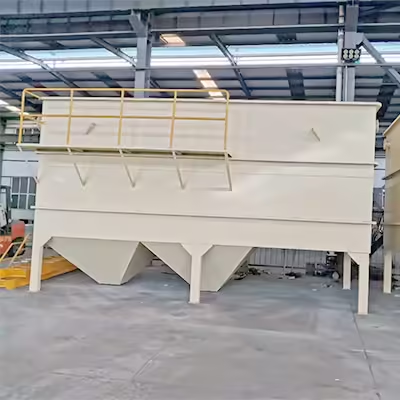
An inclined tube settler is a proven and efficient solution for improving sedimentation performance in water and wastewater treatment systems. As a professional inclined tube settler manufacturer, we design and produce high-quality, customizable systems that help treatment plants increase capacity, reduce footprint, and achieve stable long-term operation.
Whether you are planning a new treatment facility or upgrading an existing clarifier, inclined tube settlers offer a cost-effective way to enhance solid-liquid separation without major civil modifications.
What Is an Inclined Tube Settler?
An inclined tube settler is a modular sedimentation component installed inside clarification or sedimentation tanks. By arranging multiple tubes or plates at a specific angle, the system significantly increases the effective settling area without expanding the tank footprint.
Basic Working Principle of the System
As water flows upward through the inclined channels, suspended solids settle onto the tube surfaces. Gravity then causes the settled particles to slide downward into the sludge zone, while clarified water continues upward to the outlet. This process shortens settling distance and improves separation efficiency.
How the System Improves Sedimentation Performance
Compared to traditional open tanks, the inclined configuration allows higher hydraulic loading rates while maintaining consistent effluent quality. This makes the system especially effective under variable flow conditions.
Comparison with Conventional Clarifiers
When compared with conventional clarifiers, this solution offers:
- Higher treatment capacity within the same tank volume
- Reduced land and construction requirements
- Faster and more stable settling performance
- Lower retrofit and upgrade costs
Key Benefits of Using This Sedimentation Solution
This type of sedimentation system is valued for its balance of performance, simplicity, and cost efficiency.
Increased Effective Settling Area
The inclined structure multiplies the available settling surface, allowing particles to separate more quickly even at higher flow rates.
Compact and Space-Efficient Design
The modular layout makes it ideal for facilities with limited space or projects requiring capacity expansion without civil reconstruction.
Reduced Operating and Maintenance Costs
With no moving parts and a simple structure, long-term operation remains reliable with minimal maintenance effort.
Flexible Installation and Retrofit Options
Modules can be installed in new tanks or retrofitted into existing structures with minimal downtime.
Applications in Water and Wastewater Treatment

These systems are suitable for a wide range of treatment processes and industries.
Municipal Treatment Facilities
They are commonly used to improve clarification efficiency in municipal water and wastewater plants.
Industrial Wastewater Systems
Industries such as chemical processing, food and beverage, textiles, and metal finishing benefit from improved solid separation.
Drinking Water Treatment
Enhanced sedimentation helps stabilize turbidity removal and improves overall water quality.
Sedimentation Tanks and Clarifiers
The system integrates easily with various tank geometries and existing clarification units.
Design Considerations for Optimal Performance
Proper engineering design ensures stable and efficient operation.
Inclination Angle and Module Length
Typical designs use angles between 55° and 60°, ensuring effective sludge movement and reducing the risk of blockage.
Flow Rate and Hydraulic Loading
Hydraulic loading must be carefully calculated to match influent characteristics and desired effluent quality.
Effective Settling Area Calculation
The total settling area depends on module size, quantity, and layout within the tank.
Integration with Existing Tank Structures
Uniform inlet distribution and proper outlet collection are essential for consistent system performance.
Materials and Structural Features of Our Modules
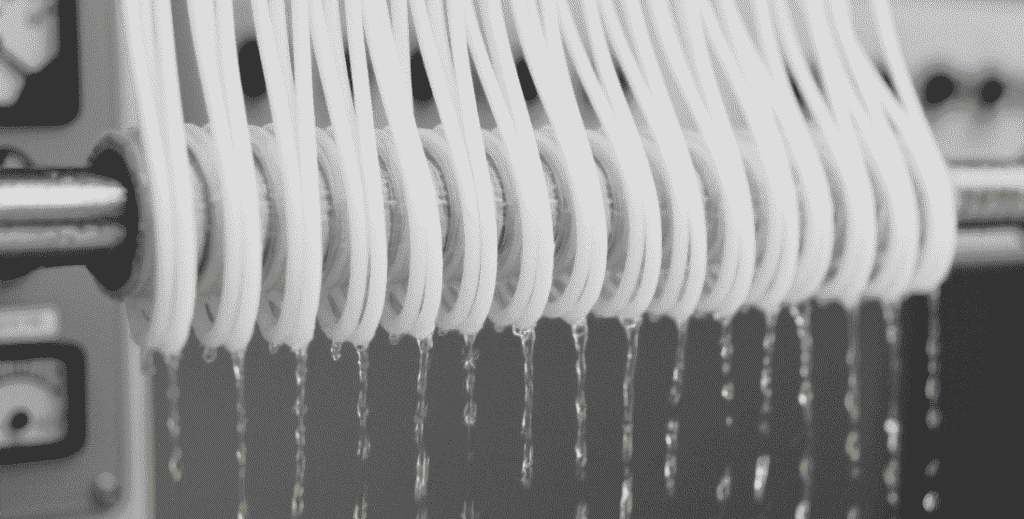
As a manufacturer, we focus on durability, adaptability, and long service life.
High-Quality PVC Construction
PVC is commonly selected for its corrosion resistance, lightweight structure, and suitability for water treatment environments.
Structural Strength and Plate Thickness
Optimized thickness provides sufficient rigidity while allowing easy handling and installation.
Long-Term Durability
Materials are selected to withstand chemical exposure and continuous operation in demanding conditions.
Custom Modular Configurations
We offer customized dimensions and layouts to suit specific project requirements.
Why Choose Us as Your Manufacturing Partner
Selecting the right supplier directly impacts system reliability and project success.
Factory-Direct Production and Supply
Direct manufacturing allows us to maintain consistent quality while offering competitive pricing.
Project-Specific Engineering Support
Our team provides technical assistance based on flow conditions, tank dimensions, and regulatory requirements.
Quality Control and Inspection
Each production batch undergoes inspection to ensure consistent performance and structural integrity.
International Project Experience
We support projects globally and assist clients from design through installation.
Installation, Operation, and Maintenance
Correct installation and operation are essential for long-term efficiency.
Installation Angle and Alignment
Modules must be installed at the designed angle to maintain proper sludge movement.
Operational Best Practices
Stable flow conditions and proper sludge removal help maintain consistent performance.
Maintenance Requirements
Routine inspection and periodic flushing are usually sufficient to keep the system operating effectively.
Common Issues to Avoid
Uneven installation, poor flow distribution, or incorrect angles can reduce system efficiency.
Typical Technical Specifications
Below is an example of standard technical parameters. Custom configurations are available upon request.
| Parameter | Typical Range |
|---|---|
| Material | PVC |
| Installation Angle | 55°–60° |
| Module Length | 1000–1500 mm |
| Plate Thickness | 0.8–1.2 mm |
| Operating Temperature | Up to 60°C |
| Application Scope | Water & Wastewater Treatment |
Pricing and Selection Guidance
Key Factors Affecting Cost
Pricing depends on module dimensions, material selection, order quantity, and customization level.
Selecting the Right Configuration
Important considerations include flow rate, influent quality, tank size, and applicable standards.
OEM and Custom Manufacturing Services
We provide OEM production and fully customized solutions for engineering companies and contractors.
Conclusion
Sedimentation enhancement systems with inclined modules offer an efficient and economical way to improve solid-liquid separation in water and wastewater treatment processes. Their compact design, stable performance, and ease of installation make them a preferred choice for both new facilities and system upgrades.
As a professional manufacturer, we focus on delivering reliable, project-specific solutions that meet practical operating requirements. If you are planning a new treatment project or upgrading an existing facility, our team is ready to support you with technical guidance, customized designs, and competitive pricing.
Contact us today to discuss your project requirements and receive a tailored solution from a trusted manufacturing partner.
FAQ
What is an inclined tube settler used for?
It is used to improve sedimentation efficiency in water and wastewater treatment by increasing the effective settling area inside clarification tanks.
How does an inclined tube settler improve treatment capacity?
By shortening the settling distance and allowing higher hydraulic loading rates, it enables existing tanks to treat higher flow volumes without expanding the footprint.
What materials are commonly used for inclined tube settler modules?
Most modules are manufactured from PVC due to its corrosion resistance, lightweight structure, and long service life in treatment environments.
Can inclined tube settlers be installed in existing tanks?
Yes, they are commonly used for retrofitting existing sedimentation tanks and clarifiers, helping improve performance without major civil construction.
How do I choose the right inclined tube settler for my project?
Selection depends on flow rate, tank dimensions, influent water quality, and project requirements. Consulting a professional manufacturer helps ensure optimal design and performance.
Need Help Choosing the Right Inclined Tube Settler?
If you’re unsure which inclined tube settler solution is best for your water or wastewater treatment project, our experts are here to help. Contact us today for a personalized consultation and a custom-designed solution that fits your system requirements. Don’t compromise on performance—get in touch now and ensure your treatment process operates efficiently and reliably.