
Blog Key Points
- Overview of innovative belt filter press suppliers and industry trends
- Key types of belt filter presses and their applications
- Comparison of suppliers based on technology, reliability, and certifications
- Features and advantages of modern belt filter presses
- Conceptual understanding of solid-liquid separation and dewatering processes
- Environmental and cost benefits of choosing the right supplier
- Common industry standards and regulatory considerations
- Real-world case studies and performance data
- FAQ addressing common buyer questions and concerns
Table of Contents
Introduction
In today’s fast-evolving industrial landscape, the efficiency of sludge dewatering and solid-liquid separation is more critical than ever. With stricter environmental regulations, rising disposal costs, and the push for water recycling, companies need equipment that not only meets operational demands but also supports sustainability goals. Belt filter presses have become a cornerstone technology across mining, municipal, chemical, and food industries, offering high-efficiency dewatering, reduced sludge volume, and improved environmental compliance.
Innovative belt filter press suppliers are leading this transformation by integrating automation, IoT monitoring, advanced materials, and energy-efficient designs into their systems. Companies that stay ahead by selecting the right supplier benefit from reliable performance, lower operational costs, and enhanced sustainability credentials. This article provides a comprehensive guide to understanding, comparing, and selecting top belt filter press suppliers today.
Why Belt Filter Press Suppliers Matter in Modern Industry
Understanding Belt Filter Presses
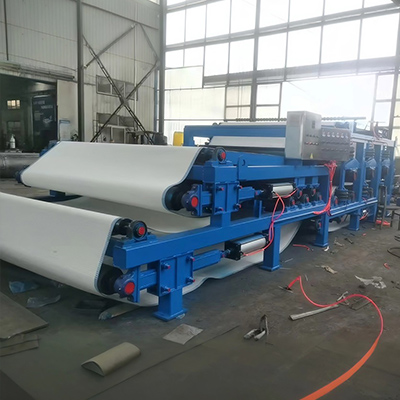
A belt filter press is a specialized mechanical system designed for continuous solid-liquid separation. Its operation typically involves two stages: initial gravity filtration to remove free water and progressive pressure filtration to extract additional moisture from sludge. The final product is a compact sludge cake that is easier to handle, transport, or dispose of.
Role of Suppliers in Industrial Efficiency
Reliable suppliers ensure that equipment is designed with optimal throughput, minimal maintenance, and compliance with environmental regulations. Top-tier suppliers provide customization for different sludge types, including industrial, municipal, mining, and food-grade sludge.
Supplier Innovation and Technology
Modern suppliers are integrating technologies such as:
- Automated belt tensioning systems for consistent operation
- Multi-stage pressure rollers to optimize water removal
- Remote monitoring via IoT to predict maintenance needs
- Energy-efficient drives and motors that reduce operational costs
According to the Environmental Protection Agency (EPA) Industrial Sludge Management Report 2023, facilities using automated belt filter presses can reduce moisture content by up to 15-20% more than traditional dewatering methods, saving thousands of dollars annually in disposal and transportation costs.
Types of Belt Filter Presses from Leading Suppliers
Mine Sludge Belt Filter Press
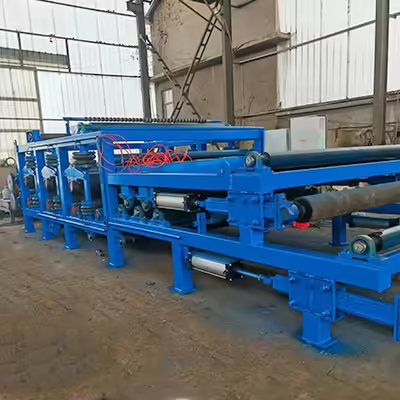
- Uses dual-stage gravity and pressure filtration
- Produces low-moisture sludge cakes ideal for mining applications
- Commonly used in ore processing, coal preparation, and rare earth mining
- Handles sludge volumes exceeding 500 m³/day with moisture content reduction from 80% to 50%
Desilting Sludge Belt Filter Press
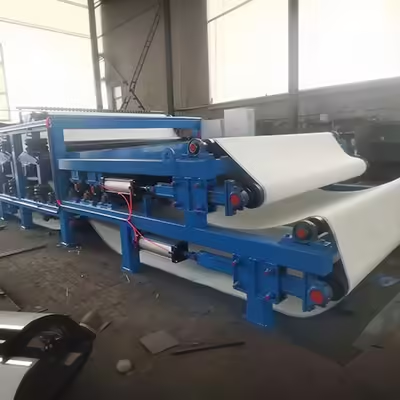
- Designed for high-moisture sediment-laden municipal and industrial sludge
- Reduces sludge volume and improves disposal efficiency
- Widely used in river dredging, urban drainage, and water treatment plants
- Can handle flow rates up to 400 m³/day while maintaining cake moisture below 55%
Industrial Sludge Belt Filter Press
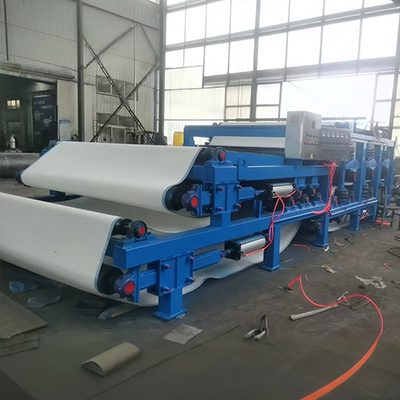
- Continuous high-efficiency operation for municipal, industrial, and environmental engineering applications
- Automated pressure control for various sludge types
- Common applications include chemical, food and beverage, textile, and metallurgical industries
- Energy consumption as low as 0.5 kWh/m³ of dewatered sludge in advanced models
Laboratory and Mini Belt Filter Presses
- Used for pilot testing and small-scale operations
- Ideal for process optimization, sludge characterization, and scale-up studies
- Enables precise testing of sludge characteristics, including compressibility and filtration rate
Key Features Offered by Innovative Belt Filter Press Suppliers
Solid-Liquid Separation Efficiency
High-performance belt filter presses achieve water removal efficiency exceeding 90% for certain sludge types, producing uniform sludge cakes suitable for transport or disposal.
Customizable Pressure and Belt Systems
Adjustable roller pressure gradients allow operators to match the machine to specific sludge characteristics. High-end suppliers also offer belts made from chemical-resistant fabrics for industrial applications.
Environmental Benefits
Efficient dewatering reduces landfill space usage, lowers sludge transportation emissions, and allows for partial water recycling. Some suppliers integrate water recovery systems capable of treating up to 80% of filtrate for reuse in industrial processes.
Compliance with Industry Standards
Reputable suppliers adhere to standards such as:
- ISO 9001:2015 Quality Management System
- CE marking for European market compliance
- EPA and local environmental discharge regulations
- ASTM standards for filter cloth material and mechanical components
Comparing Top Belt Filter Press Suppliers
| Supplier Name | Technology Innovation | Application Range | Support & Service | Price Competitiveness | Certifications |
|---|---|---|---|---|---|
| Shandong Lushun Environmental Technology Co., Ltd. | High-efficiency dual-stage presses, automated belts | Mining, municipal, industrial | 24/7 service, global shipping | Moderate | ISO 9001, CE |
| Supplier B | Progressive pressure rollers, IoT monitoring | Food & beverage, textile | On-site training | High | ISO 14001, CE |
| Supplier C | Energy-efficient low-moisture systems | Chemical, petrochemical | Custom maintenance plans | Moderate-High | CE, local environmental compliance |
Analysis: When choosing a supplier, compare technological innovation, service support, certifications, and cost. Innovative suppliers differentiate themselves by integrating automation, advanced materials, and real-time monitoring capabilities.
Concepts and Insights About Belt Filter Presses
Gravity Filtration Concept
Gravity filtration is the first stage in dewatering, where sludge is evenly distributed across a moving filter belt, allowing free water to drain naturally.
Progressive Pressure Concept
The pressing zone uses rollers arranged in gradually increasing pressure gradients to extract additional moisture, forming low-moisture sludge cakes.
Continuous Operation Concept
Modern belt filter presses support uninterrupted operation, increasing efficiency and reducing labor costs. Continuous operation ensures uniform product quality and predictable performance.
Automated Control and Monitoring
Advanced suppliers integrate PLC systems for real-time monitoring, automatic belt alignment, roller pressure adjustment, and predictive maintenance, reducing downtime and extending equipment lifespan.
Advantages of Choosing Innovative Belt Filter Press Suppliers
Cost Efficiency
High-efficiency dewatering reduces sludge volume, lowering transportation and disposal costs. Recovered water can be reused in industrial processes, further reducing expenses.
Reliability and Maintenance
Robust construction and low-maintenance designs reduce downtime. Suppliers often provide predictive maintenance schedules, minimizing unexpected breakdowns.
Compliance with Environmental Standards
Innovative belt filter press suppliers ensure equipment meets global and local environmental regulations, supporting corporate sustainability goals.
Energy and Resource Conservation
Energy-efficient drives, optimized roller pressure, and water recovery systems reduce energy consumption and support resource sustainability.
Real-World Performance and Case Studies
Mining Operations
- In a coal preparation plant in Shanxi, China, implementing a dual-stage belt filter press reduced sludge volume by 45% and moisture content from 75% to 50%.
- Operational costs decreased by 20%, with a payback period of less than 18 months.
Municipal Water Treatment
- A river dredging project in Zhejiang province used desilting sludge belt filter presses to handle 350 m³/day of sediment-laden sludge.
- Cake moisture content averaged 52%, allowing for easier transport and disposal.
Industrial Applications
- Food processing wastewater in a dairy plant achieved 90% solid-liquid separation efficiency using an industrial belt filter press, enabling water reuse and reducing sludge disposal costs.
Emerging Trends in Belt Filter Press Technology
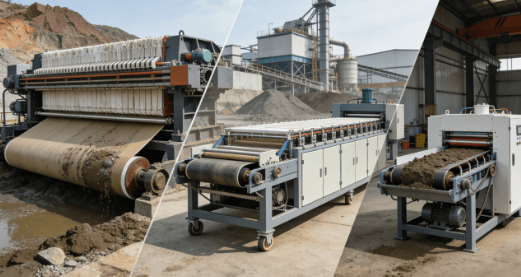
IoT Integration and Remote Monitoring
Suppliers are increasingly incorporating IoT-enabled sensors for real-time performance monitoring and predictive maintenance, reducing unexpected failures.
Energy-Efficient Designs
Modern presses consume 10-15% less energy than previous models while maintaining high dewatering efficiency.
Eco-Friendly Materials
Use of recycled and chemical-resistant materials for belts and rollers increases lifespan and reduces environmental impact.
Modular and Scalable Solutions
Modular designs allow easy expansion of capacity as production or sludge volume increases, providing flexibility for growing operations.
Regulatory and Industry Standards for Belt Filter Press Suppliers
- ISO 9001: Quality management systems for manufacturing consistency
- ISO 14001: Environmental management standards
- CE marking: Compliance with European health, safety, and environmental requirements
- Local EPA sludge discharge and reuse regulations
- ASTM standards for filter cloth tensile strength, chemical resistance, and roller durability
Compliance with these standards ensures suppliers provide reliable, safe, and sustainable solutions for global clients.
FAQ
What should I look for in a belt filter press supplier?
Look for proven reliability, technological innovation, after-sales support, compliance with environmental standards, and equipment customization options.
Can I use the same press for different sludge types?
Yes. Many suppliers provide adjustable systems suitable for municipal, industrial, and mining sludge, with customizable roller pressure and belt material.
How do I compare suppliers effectively?
Consider technology, certifications, environmental compliance, service support, price, and real-world performance data.
Are automated belt filter presses worth the investment?
Automated presses reduce labor, increase productivity, and ensure consistent dewatering, making them highly cost-effective over time.
How do belt filter presses reduce environmental impact?
By minimizing sludge volume, enabling water recovery, and producing low-moisture sludge cakes, they reduce landfill use, transportation emissions, and water consumption.
What are the key maintenance considerations?
Routine belt inspection, roller lubrication, motor servicing, and sensor calibration are crucial. Leading suppliers provide predictive maintenance schedules and remote monitoring support.
Conclusion
In today’s industrial and municipal landscape, the choice of belt filter press suppliers can make a substantial difference in operational efficiency, cost management, and environmental compliance. Innovative suppliers like Shandong Lushun Environmental Technology Co., Ltd. are leading the way by offering advanced technology, automated systems, customizable designs, and reliable after-sales support.
By understanding the types of belt filter presses, comparing suppliers using key performance indicators and certifications, and evaluating environmental and cost benefits, businesses can make informed decisions. Investing in a high-quality, innovative belt filter press not only optimizes sludge dewatering but also positions companies as sustainable, forward-thinking operators in a competitive market.
Whether for mining, municipal, industrial, or agricultural applications, choosing the right supplier ensures maximum efficiency, reliability, and long-term value for your operations.