
Table of Contents
Managing healthcare waste safely and efficiently is a critical responsibility for hospitals, clinics, laboratories, and medical institutions. Infectious and hazardous materials must be treated using reliable thermal solutions to avoid environmental contamination and health risks. For many facilities, on-site incineration systems remain one of the most effective disposal methods.
As an experienced manufacturer of medical waste treatment equipment, we design and supply customized incineration solutions that help healthcare providers meet regulatory requirements while maintaining operational efficiency. This guide explains how incineration systems work, how to select the right configuration, and what decision-makers should consider before purchasing.
What Is a Medical Waste Incinerator?
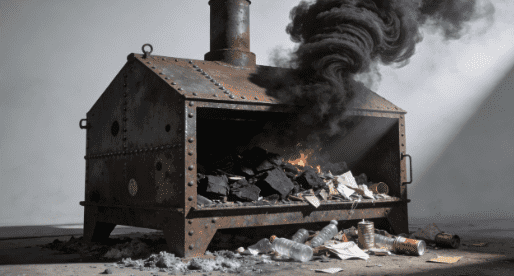
A medical waste incinerator is a high-temperature waste treatment system designed to destroy hazardous healthcare waste through controlled combustion. During the process, organic materials and pathogens are eliminated, leaving behind a small volume of inert ash.
What Types of Medical Waste Can Be Treated?
Typical waste streams suitable for incineration include:
- Infectious and contaminated materials
- Pathological waste
- Sharps and disposable medical supplies
- Expired pharmaceuticals
- Laboratory and veterinary waste
How Medical Waste Incineration Works
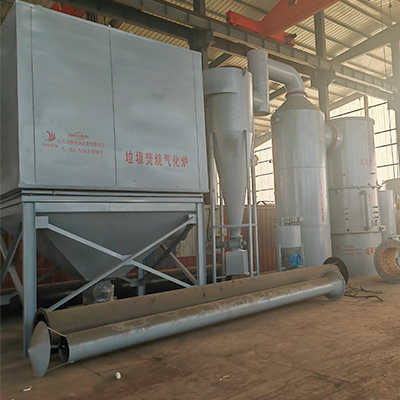
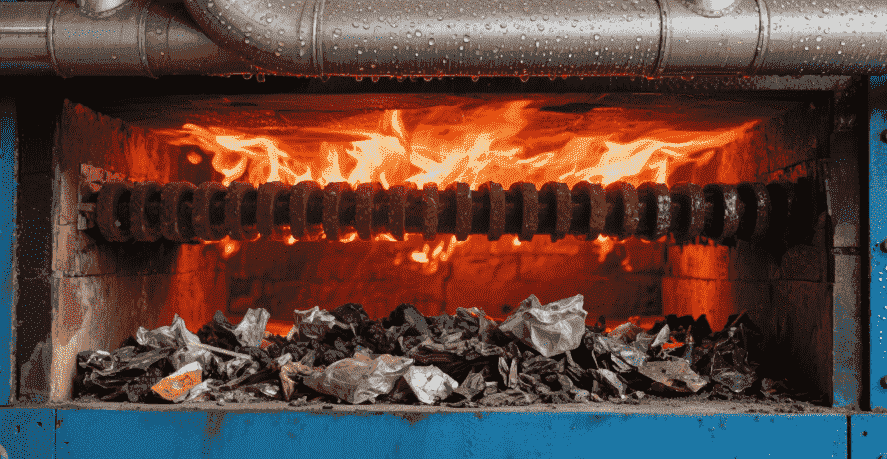
Waste is introduced into the primary combustion chamber, where it is thermally treated at elevated temperatures. The resulting gases pass through a secondary chamber to ensure complete oxidation. An integrated exhaust gas treatment system then reduces emissions before release into the atmosphere.
Why Incineration Systems Are Essential for Healthcare Facilities
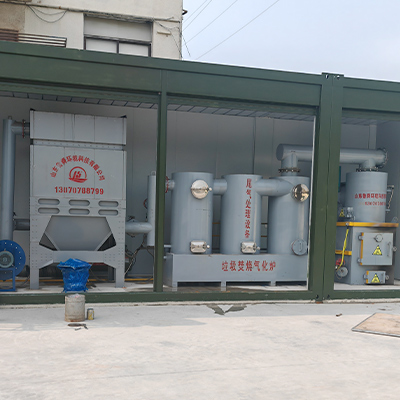
Healthcare waste cannot be handled like general municipal waste. Improper disposal increases the risk of infection and regulatory penalties.
Infection Control and Biohazard Safety
High-temperature treatment effectively destroys bacteria, viruses, and harmful microorganisms, helping healthcare facilities maintain strict hygiene standards.
On-Site Disposal vs Off-Site Treatment
On-site incineration eliminates transportation risks, minimizes waste storage time, and gives facilities greater control over compliance.
Benefits for Hospitals, Clinics, and Laboratories
- Immediate waste neutralization
- Reduced reliance on third-party disposal
- Improved safety for staff and patients
- Long-term operational cost savings
Types of Medical Waste Incineration Systems
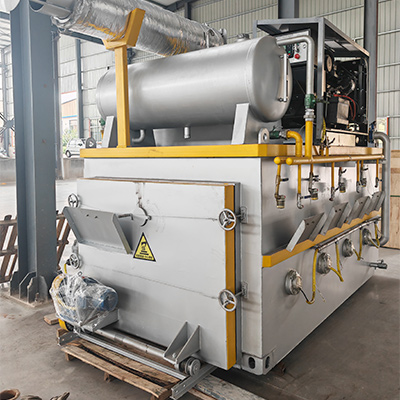
Different applications require different system designs.
Single-Chamber vs Dual-Chamber Systems
Dual-chamber designs provide more complete combustion and improved emission control, making them suitable for hospitals and large medical centers.
Capacity Options for Different Facilities
Small clinics typically require compact units, while large hospitals benefit from higher-capacity systems capable of continuous operation.
Containerized and Mobile Solutions
Containerized incineration units offer flexibility for remote locations, emergency response projects, and temporary healthcare facilities.
How to Choose the Right Incineration Solution
Selecting the appropriate system depends on several technical and operational factors.
Waste Volume and Throughput Requirements
Accurate assessment of daily waste output ensures stable and efficient operation.
Combustion Performance and Temperature Control
Stable high temperatures improve destruction efficiency and reduce harmful byproducts.
Environmental Protection and Emission Control
Modern systems integrate dust removal, gas scrubbing, and filtration technologies to meet environmental standards.
Automation and Control Technology
PLC-based control systems enhance safety, reliability, and ease of operation.
Key Technical Specifications Explained
Understanding system specifications helps buyers make informed decisions.
Combustion Chamber Structure
Optimized chamber design ensures proper airflow and complete thermal treatment.
Operating Temperature and Retention Time
Adequate temperature and gas retention time are essential for effective waste destruction.
Flue Gas Treatment System
Multi-stage exhaust gas treatment minimizes particulate matter, odors, and acidic gases.
Energy Consumption and Fuel Options
Systems can be configured for diesel, gas, or electric ignition depending on local conditions.
Cost Considerations and Pricing Factors
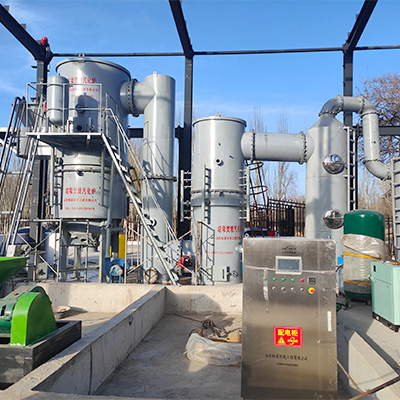
Pricing varies depending on configuration and project requirements.
What Influences Equipment Cost?
- Treatment capacity
- Level of emission control
- Automation and monitoring systems
- Custom engineering requirements
- Installation and commissioning scope
Initial Investment vs Long-Term Value
Higher-quality systems often result in lower maintenance costs and longer service life.
Is On-Site Incineration a Cost-Effective Choice?
For many healthcare facilities, in-house treatment reduces long-term disposal expenses and regulatory risks.
| Factor | Influence on Overall Cost |
|---|---|
| Processing Capacity | Higher throughput increases system size |
| Emission Control Level | Advanced compliance systems add value |
| Automation | Improves efficiency and safety |
| Custom Design | Tailored solutions affect pricing |
| Turnkey Services | Installation and training included |
Compliance, Standards, and Environmental Responsibility
Thermal waste treatment systems must comply with environmental and safety regulations.
International Guidelines and Standards
Many projects follow WHO recommendations and internationally recognized emission limits.
Environmental Protection Requirements
Modern designs focus on minimizing emissions and ensuring responsible ash handling.
How Our Systems Support Compliance
As a manufacturer, we customize system configurations to align with local regulations and project-specific requirements.
Application Scenarios
Incineration systems are widely used across different healthcare environments.
Hospitals and Medical Centers
High-capacity systems support continuous waste treatment in large facilities.
Clinics and Laboratories
Compact designs provide reliable on-site disposal with minimal footprint.
Pharmaceutical and Veterinary Facilities
Specialized waste streams require controlled thermal treatment.
Remote and Infrastructure-Limited Areas
Containerized solutions ensure safe disposal where centralized systems are unavailable.
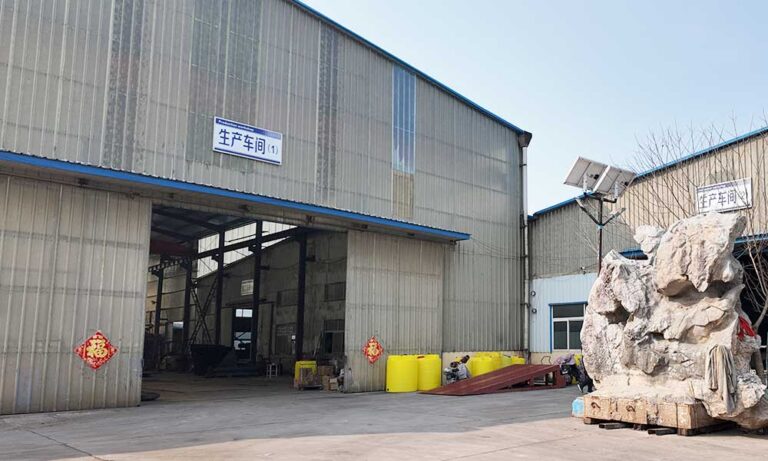
Why Choose Us as Your Medical Waste Incinerator Manufacturer
Choosing the right manufacturer is just as important as choosing the right equipment.
Customized Incinerator Solutions Based on Your Needs
We design and manufacture medical waste incinerators tailored to your waste type, capacity, and regulatory requirements.
Manufacturing Experience and Quality Control
Our production process follows strict quality standards to ensure durability and performance.
Global Projects, Installation, and After-Sales Support
We provide full technical support, installation guidance, and long-term service.
Turnkey Medical Waste Incinerator Solutions
From design to commissioning, we deliver complete incineration solutions for healthcare facilities worldwide.
Frequently Asked Questions About Medical Waste Incinerators
What Is the Typical Lifespan of a Medical Waste Incinerator?
With proper maintenance, a high-quality incinerator can operate reliably for many years.
How Much Maintenance Is Required?
Routine inspections and scheduled servicing ensure optimal performance.
Can the Incinerator Be Customized for Local Regulations?
Yes. Customization is essential to meet local emission and safety standards.
Conclusion
Choosing the right medical waste incinerator is essential for safe, compliant, and cost-effective medical waste disposal. A well-designed incineration system protects public health, ensures regulatory compliance, and reduces long-term operational risks.
As a professional medical waste incinerator manufacturer, we offer customized, factory-direct solutions designed to meet the real needs of hospitals and healthcare facilities worldwide. Whether you require a compact system for a clinic or a high-capacity solution for a hospital, our team is ready to support your project.
Looking for a reliable medical waste incinerator solution?
Contact us today to receive technical consultation, customized specifications, and competitive pricing directly from the manufacturer.
Need Help Choosing the Right Medical Waste Incineration System?
If you’re unsure which medical waste incinerator is best suited for your hospital, clinic, or healthcare facility, our experts are here to help. As an experienced manufacturer, we provide customized solutions designed to meet your capacity needs, operational requirements, and local compliance standards. Contact us today for a personalized consultation and ensure your medical waste is treated safely, efficiently, and in full compliance. Don’t wait until disposal risks become a problem—get in touch now to protect public health and your facility’s operations!