
Table of Contents
Introduction
Pet incinerators have become an essential tool in modern pet cremation services. They provide a safe, hygienic, and environmentally conscious way to handle pet remains. With the global pet ownership market projected to reach over $358 billion by 2030 (Grand View Research, 2023), pet cremation services are expanding rapidly. Understanding pet incinerators is crucial for both pet owners and businesses in the pet funeral industry.
What is a Pet Incinerator?
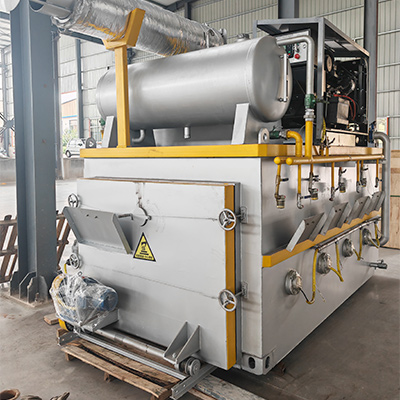
A pet incinerator, also known as a pet cremator or pet carcass incinerator, is a specialized machine designed to safely and efficiently cremate deceased pets. It ensures dignity, hygiene, and environmental compliance while handling animal remains.
Key Features of Pet Carcass Incinerators
Controlled Combustion
Pet carcass incinerators maintain high-temperature combustion, typically ranging between 1400°F and 1800°F (760°C–982°C). This ensures that all organic matter in the pet remains is completely decomposed, leaving only sterile ash. Controlled combustion not only guarantees hygiene but also reduces the risk of incomplete burning, which can lead to odors or residual biohazards. Many units come with adjustable temperature settings, allowing operators to optimize the process for pets of different sizes.
Real-Time Monitoring
Modern pet incinerators are equipped with advanced sensors that continuously track furnace temperature, combustion efficiency, and system status. Real-time monitoring ensures that the incinerator operates safely and consistently, preventing overheating or system malfunctions. It also allows operators to adjust parameters on the fly and provides a digital record for regulatory compliance, which is especially important for commercial crematoriums.
Flue Gas Purification
A critical feature of high-quality incinerators is the flue gas purification system. This system treats smoke and gaseous emissions before they are released into the environment, ensuring compliance with local and international environmental regulations such as the U.S. EPA Clean Air Act or the EU Industrial Emissions Directive. Advanced systems may include afterburners, ceramic filters, or scrubbers to significantly reduce particulate matter, carbon monoxide, and other pollutants.
Ash Collection System
Once combustion is complete, the ash collection system automatically cools and discharges the remaining ashes. This feature ensures that the ashes can be handled respectfully and safely, either for disposal or for return to pet owners. Many systems include easy-to-clean trays or containers, reducing labor for operators and preventing contamination or spillage.
Hygienic Operation
Pet carcass incinerators are designed as fully enclosed systems, preventing odors, pathogens, and airborne pollutants from escaping during the cremation process. This enclosed design is essential for maintaining sanitary conditions in veterinary clinics, animal shelters, and pet crematoriums. It protects both the staff operating the unit and the surrounding environment, making the process safe for indoor or controlled-area use.
How Pet Incinerators Work

Pet incineration begins when the remains are fed into the incineration chamber through an automated system. The burner rapidly ignites, raising the chamber to the optimal temperature, usually between 1400°F and 1800°F (760°C–982°C).
The Incineration Process
- Feeding: Pet remains are gently placed into the chamber using an automated mechanism.
- High-Temperature Combustion: Rapid burning decomposes organic matter while minimizing emissions.
- Flue Gas Purification: Smoke and gases are treated to meet regulatory standards.
- Ash Collection: Residual ash is cooled and collected for respectful handling or return to owners.
This process ensures both sanitary and environmentally responsible disposal of pet remains.
Common Application Scenarios
Pet incinerators are used in a variety of settings to handle end-of-life care for pets:
Veterinary Clinics and Hospitals
Provide onsite cremation, offering convenience and hygiene for pet owners.
Animal Shelters and Rescue Organizations
Dispose of unclaimed or euthanized animals safely, following public health regulations.
Pet Crematoriums
Offer respectful individual or group cremation with return of ashes.
Municipal Animal Services
Handle stray or roadkill animals ethically and in compliance with local laws.
Zoos and Wildlife Sanctuaries
Dispose of small animals or birds that have died due to age, illness, or injury.
Advantages of Using Pet Incinerators
- Humane and Respectful: Handles pet remains with dignity, providing closure for owners.
- Safe and Hygienic: Fully enclosed systems prevent odors and biohazards.
- Environmentally Compliant: Equipped with flue gas treatment to meet emissions standards.
- Automated and Easy to Operate: Simplified controls, temperature regulation, and ash collection.
- Compact Design: Suitable for clinics, shelters, or standalone pet cremation services.
Global Demand for Pet Carcass Incinerators by Country
North America: Leading the Market
North America holds a dominant position in the pet cremation services market, accounting for approximately 36.89% of the global revenue share in 2024. The market size in North America was estimated at USD 720.37 million in 2025 and is projected to reach USD 1.50 billion by 2033, growing at a CAGR of 9.68% from 2025 to 2033.
This growth is driven by high pet ownership rates, robust consumer spending, and the expanding trend of pet humanization, where pets are increasingly seen as family members. Consequently, there is a growing demand for full-service pet funerals, including burial, cremation, and memorialization services.
Europe: Diverse Market Dynamics
Europe’s pet cremation services market was valued at USD 600 million in 2023 and is expected to reach USD 1.2 billion by 2032, growing at a CAGR of 7.8%.
The market is fragmented, with Western countries emphasizing luxury and organic goods, while Eastern Europe sees rapid growth. Countries like the UK, Germany, and France lead the way in pet cremation services, driven by high pet ownership rates and the increasing trend of pet humanization.
Asia-Pacific: Rapid Expansion
The Asia-Pacific region is anticipated to witness the fastest growth in the pet cremation service market during the forecast period. The market in this region was valued at USD 400 million in 2023 and is projected to reach USD 900 million by 2032, growing at a CAGR of 9.1%.
Rising pet ownership rates, increasing disposable incomes, and growing awareness about pet aftercare services are the primary factors driving the market growth in the region. Countries like China, Japan, and South Korea are leading this trend.
Latin America: Emerging Market
In Latin America, the demand for pet cremation services is on the rise, driven by increasing pet ownership and a growing middle class with higher disposable incomes. While the market is still developing, there is a noticeable shift towards more humane and environmentally responsible pet aftercare solutions.
India: Government Initiatives
In India, the Hubballi Dharwad Municipal Corporation (HDMC) has established two pet cremation units, marking the first such facilities in North Karnataka. Previously, dead pets were disposed of in open areas, posing health risks. The initiative aims to offer respectful and sanitary cremation for pets and stray animals.
Similarly, the Indore Municipal Corporation is setting up the city’s first carcass incinerator for deceased pets and stray animals, aiming to provide a more hygienic and respectful cremation method.
Choosing the Right Pet Incinerator
Key Considerations
- Capacity: Small pets vs large pets; batch processing for commercial use.
- Fuel Type: Electric, gas, or diesel. Electric units are quieter, cleaner, and easier to install.
- Legal Compliance: Must follow local environmental laws (e.g., U.S. EPA regulations, EU Industrial Emissions Directive 2010/75/EU).
Commercial vs Home Use Comparison
| Feature | Home Pet Incinerator | Commercial Pet Incinerator |
|---|---|---|
| Capacity | Up to 50 lbs (23 kg) | 50–500 lbs (23–227 kg) per batch |
| Fuel | Electric / Gas | Diesel / Gas / Electric |
| Installation | Simple, indoor/outdoor | Requires permits, professional setup |
| Emissions | Low | Must meet EPA/EU emission standards |
| Cost (USD) | $5,000–$15,000 | $25,000–$150,000 |
| Maintenance | Monthly cleaning | Weekly or daily, depending on usage |
Data sources: AVMA, EPA Emission Guidelines for Crematories, 2022
Trends and Innovations in Pet Incineration
Eco-Friendly Incinerators
Modern units include advanced filtration systems and energy-efficient designs to reduce environmental impact, achieving up to 90% reduction in particulate emissions.
Smart and Automated Features
Remote monitoring, automatic temperature control, and pre-programmed burn cycles improve operational efficiency and safety.
Integration with Memorial Services
Pet incineration is often combined with customized memorials, such as urns, keepsakes, or garden dedications.
Scientific and Legal References
- EPA (U.S.): Clean Air Act guidelines regulate crematorium emissions.
- EU Industrial Emissions Directive (IED 2010/75/EU): Sets standards for emission limits and energy efficiency of incinerators.
- AVMA Guidelines on Euthanasia and Cremation (2022): Provides recommendations for humane and safe handling of animal remains.
- Research: Modern electric pet incinerators emit significantly less CO2 compared to diesel units (Journal of Environmental Management, 2021).
Conclusion
Choosing a pet incinerator depends on your needs, budget, and legal requirements. Whether for personal use or commercial operation, understanding the types, benefits, and innovations ensures informed decisions.
By combining precise combustion control, real-time monitoring, and flue gas purification systems, the pet carcass incinerator offers a complete, hygienic, and environmentally responsible solution for the respectful disposal of deceased pets. This ensures that pet remains are handled with dignity, while also complying with safety and environmental regulations.
FAQ
Is it safe to operate a pet incinerator at home?
Yes, as long as you follow manufacturer instructions and local laws. Home units are designed to be safe for residential use, with proper ventilation and fire safety measures.
How long does pet cremation take?
Small pets may take 1–2 hours, while larger pets or batch cremation can take 3–6 hours.
Can I keep the ashes after cremation?
Yes. Most incinerators allow owners to collect ashes for urns, scattering, or keepsakes.
What’s the difference between a home pet incinerator and a commercial one?
Home units are smaller and simpler, while commercial units are larger, regulated, and designed for frequent or batch processing.
Are there environmentally friendly pet cremation options?
Yes, modern units feature energy-efficient designs, afterburners, and ceramic filters to minimize emissions.
Do I need a permit to operate a pet incinerator?
Permit requirements vary. Commercial units usually require EPA or state approval; small home units may require local zoning clearance.