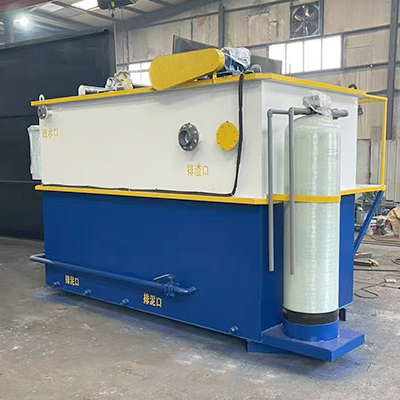
Key Takeaways of This Article
- What DAF is and why it’s essential in the food and beverage wastewater industry.
- Detailed working principles of DAF technology and microbubble mechanisms.
- Comparative analysis of DAF vs other wastewater treatment methods.
- Design parameters, sizing, and engineering considerations for DAF units.
- Real-world case studies and operational data from food processing facilities.
- Maintenance schedules, troubleshooting checklists, and optimization tips.
- Cost, ROI, and compliance insights for environmental discharge standards.
- Comprehensive FAQ section answering Google‑style search queries.
Table of Contents
Introduction
Imagine a food processing plant producing tens of cubic meters of wastewater per hour, loaded with fats, oils, proteins, broken suspended solids, and colloidal particles. Traditional sedimentation tanks struggle to remove fine solids and emulsified oils, leading to bottlenecks in downstream biological treatment, increased chemical consumption, and frequent compliance violations.
In this complex environment, DAF (Dissolved Air Flotation) emerges as a game‑changer: a high‑efficiency clarification technology capable of removing >90% of FOG (fats, oils, grease), 80–95% of suspended solids, and 50–70% of COD (Chemical Oxygen Demand) under real operational conditions. The result is cleaner effluent, smoother biological performance, and lower operational costs.
This guide is the industry’s most comprehensive resource on DAF in food & beverage wastewater—from engineering foundations to practical maintenance, performance data, design criteria, and real plant insights.
1. What Is DAF and How Does It Work?
Basic Concept of DAF Technology
DAF stands for Dissolved Air Flotation, a physical‑chemical process that separates contaminants by introducing pressurized air into wastewater. The air is dissolved into the water under pressure and then released at atmospheric pressure in a flotation tank, forming microscopic bubbles (~20–50 μm). These microbubbles attach to contaminants and lift them to the surface, forming a “float” or scum layer that can be mechanically removed.
Key Mechanisms of DAF
- Air Saturation & Microbubble Formation: Pressurized air dissolves in water, and when released inside the flotation unit, microbubbles form.
- Pollutant Adhesion: Fine bubbles attach to suspended solids, colloids, oils, and greases, increasing their buoyancy.
- Scum Layer Formation: Bubble‑pollutant complexes rise to the surface due to lower overall density.
- Mechanical Removal: Skimmers/scrapers continuously or intermittently remove surface scum for dewatering or disposal.
2. Why DAF Is Critical in Food & Beverage Wastewater
Typical Pollutants in Food & Beverage Wastewater
Food processing wastewater often contains:
- Fats, Oils & Grease (FOG): From meat, dairy, bakery, and beverage wash processes.
- Blood and Protein Residues: Especially in meat and poultry processing.
- Carbohydrates & Soluble Organics: From bakery and beverage production.
- Colloidal Particles & Fine Solids: Too light for gravity settling.
- Emulsified Oils: Resistant to traditional separation.
Challenges of Conventional Treatment
Conventional sedimentation tanks cannot effectively remove:
- Fine and colloidal solids < 50 μm
- Emulsified oils and greases
- Low‑density solids that don’t settle
As a result, these residuals escalate biological oxygen demand (BOD) and impair downstream activated sludge and biological reactor systems.
DAF’s Role in Enhancing Treatment Train
DAF serves as a high‑efficiency pre‑treatment step that:
- Reduces solids and FOG load by >70–95%
- Minimizes chemical dosing in coagulation/flocculation
- Stabilizes influent quality for biological treatment
- Helps food plants meet strict discharge or reuse standards
3. DAF Unit Components and Engineering Principles
Core Components of a DAF System
- Air Saturation Tank (AST): Where air dissolves into water under pressure.
- Flotation Tank: Location for bubble formation and pollutant separation.
- Skimmer/Mechanical Scraper: Removes floated scum to collection hoppers.
- Pumps & Controls: Deliver pressurized air/water mix and regulate flow.
- Chemical Dosing (Optional): Coagulants and flocculants to aid aggregation.
Microscopic Bubble Theory
The smaller the bubble, the greater the surface area and adhesion potential. Typical microbubble sizes in a modern DAF unit range from 20–50 μm, providing maximum pollutant adhesion.
What Makes DAF Efficient for Food Wastewaters
- High surface interaction with FOG & colloids
- Rapid separation (minutes vs hours in settling)
- Scum removal without heavy equipment foot‑print
- Integration with coagulation/flocculation
4. Design and Sizing Criteria for DAF in Food Plants
Key Design Parameters
To size a DAF unit properly, engineers consider:
- Influent flow rate (m³/h)
- Suspended solids concentration (mg/L)
- FOG concentration (mg/L)
- Required effluent quality
- Retention time (usually 10–20 min)
- Surface loading rate (m³/m²⋅h)
Surface Loading and Retention Time
A widely used design guideline for food wastewater:
| Parameter | Typical Range |
|---|---|
| Surface Loading Rate | 2–5 m³/m²⋅h |
| Retention Time | 10–20 min |
| Required Flotation Surface | 10–30 m² per 100 m³/h |
| Microbubble Size | 20–50 μm |
Coagulant & Flocculant Integration
Food plant wastewater often benefits from a pre‑DAF coagulant dose, such as ferric chloride or alum, to aggregate fine particles and emulsified oils for better flotation capture.
5. Comparing DAF with Other Clarification Methods
DAF vs Sedimentation Tanks
DAF:
- High removal efficiency
- Quick separation
- Small footprint
Sedimentation:
- Low cost
- Limited fine particle removal
- Long retention time
DAF vs Filtration
| Feature | DAF | Filtration |
|---|---|---|
| Particle Size Captured | 10–100 μm | 1–50 μm |
| FOG Removal | Excellent | Moderate |
| Sludge Volume | Lower | Higher |
| Fouling | Low | High |
Optimal Combined Systems
A common food plant configuration:
Coagulation → DAF → Biological Treatment → Polishing Filtration
This sequence balances pollutant removal and operational cost.
6. Real‑World Case Studies
Case Study A — Dairy Processing Plant (Central Europe)
- Flow: 80 m³/h
- Influent FOG: 1800 mg/L
- Effluent FOG after DAF: <150 mg/L
- COD Reduction: 62%
- Outcome: 30% reduction in biological treatment costs
Case Study B — Meat Packing Facility (North America)
- Flow: 120 m³/h
- Influent SS: 1500 mg/L
- DAF SS Removal: 88%
- Chemical Savings: 20% reduction in coagulant usage
Case Study C — Brewery Wastewater (Asia)
- Flow: 45 m³/h
- Influent COD: 1800 mg/L
- DAF COD Removal: 55%
- Benefit: Stabilized activated sludge performance
These industry cases demonstrate DAF’s versatility and impact on downstream processes.
7. Operational Performance and Efficiency Data
Typical Removal Rates in Food Wastewaters
| Pollutant | DAF Removal Efficiency |
|---|---|
| FOG | 90–95% |
| Suspended Solids | 80–95% |
| COD | 50–70% |
| BOD | 40–65% |
Factors Affecting Efficiency
- Influent pollutant characteristics
- Air saturation quality
- Chemical dosing strategy
- Retention time
- Surface loading
8. Maintenance & Troubleshooting
Routine Maintenance Plan
Daily
- Inspect skimmer function
- Check influent/effluent flow
Weekly
- Clean air saturation tank
- Check pumps & air valves
Monthly
- Inspect scraper blades
- Check chemical dosing lines
Common Problems & Solutions
| Symptom | Likely Cause | Solution |
|---|---|---|
| Poor FOG removal | Low microbubble density | Adjust saturation pressure |
| Excess foam | High surfactants | Reduce chemical dose |
| Scum re‑entrainment | Improper skimmer speed | Adjust scraper |
9. Cost, ROI & Environmental Compliance
Capital & Operating Costs
Average DAF CapEx: $80,000 – $350,000 (depending on size)
OpEx Factors: power, chemicals, maintenance
ROI Considerations
- Reduced biological treatment cost
- Lower sludge disposal fees
- Fewer compliance violations
- Water reuse potential
Regulatory Compliance Benefits
DAF helps meet standards such as:
- COD < 250 mg/L
- SS < 50 mg/L
- FOG < 100 mg/L (varies by jurisdiction)
10. DAF in Circular Water Reuse
Many food plants aim to reuse treated wastewater for non‑potable applications (cooling water, cleaning). DAF is often the first step in a reuse strategy, improving water quality and reducing freshwater demand.
Conclusion
In food and beverage wastewater treatment, DAF is not just a clarification unit—it’s a strategic asset. It enhances removal efficiency, stabilizes downstream processes, reduces operational costs, and helps facilities meet stringent discharge and reuse standards. Whether your plant processes dairy, meat, bakery, or beverages, understanding how to design, operate, and optimize DAF systems is essential for sustainable operations.
FAQ
Q1: What makes DAF more effective than settling for FOG removal?
DAF uses microbubbles to float low‑density oils that settling tanks cannot capture.
Q2: How often should a DAF unit be serviced?
Daily visual checks, weekly cleaning, and monthly mechanical inspection are recommended.
Q3: Can DAF remove emulsified oils without chemicals?
Partial removal is possible, but coagulants/flocculants improve capture significantly.
Q4: Does DAF reduce odor issues?
Yes, by removing organic solids that contribute to anaerobic conditions.
Q5: Can DAF be installed outdoors?
Yes, but weather protection and insulation improve reliability.