
Key Takeaways for This Guide
- Understanding different types of filter press for sale in wastewater treatment
- Key working principles of sludge dewatering systems
- Comparison of belt filter press vs other dewatering equipment
- Real industrial applications across multiple sectors
- Important technical parameters (capacity, moisture reduction, efficiency)
- Practical tips for choosing the right equipment
- Cost, maintenance, and performance optimization strategies
- Compliance with environmental and discharge standards
- Case studies and real-world performance data
- FAQ answering real buyer questions
Table of Contents
Introduction
In today’s increasingly regulated environmental landscape, wastewater treatment facilities are under pressure to reduce emissions, optimize costs, and improve sustainability. Sludge treatment alone can account for a significant portion of operational expenses, making efficient dewatering systems essential.
This is why selecting the right filter press for sale is no longer just a purchasing decision—it is a strategic investment. The right equipment can reduce sludge volume, improve handling efficiency, lower disposal costs, and ensure compliance with environmental standards.
From municipal plants to mining operations and industrial facilities, filter press systems play a vital role in modern wastewater management. This guide provides a comprehensive breakdown of technologies, applications, and expert insights to help you make the best decision.
Understanding Filter Press for Sale in Wastewater Treatment
What Is a Filter Press?
A filter press is a mechanical system designed for solid-liquid separation. It applies pressure to sludge to extract water, producing solid filter cakes and clean filtrate.
This process significantly reduces sludge volume, making disposal more efficient and cost-effective.
Why Filter Press Systems Are Essential
Efficient dewatering improves both environmental performance and operational efficiency. By reducing moisture content, facilities can minimize transport costs and landfill usage.
Additionally, filter presses enable water recovery, supporting sustainable reuse practices in industrial operations.
Types of Filter Press for Sale
Belt Filter Press Systems
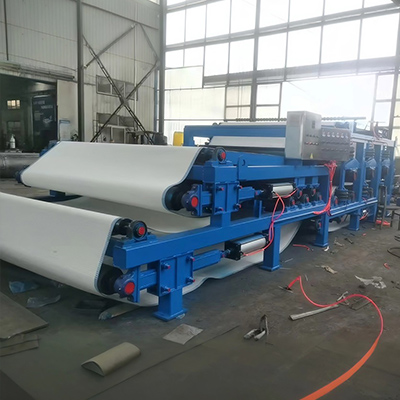
Belt filter presses are continuous systems that combine gravity drainage with mechanical pressure. They are widely used for large-scale wastewater treatment due to their efficiency and reliability.
Industrial Sludge Belt Filter Press
Designed for municipal and industrial applications, this system uses multi-stage rollers to gradually increase pressure and remove water effectively.
It operates continuously, reducing labor requirements and ensuring consistent performance.
Desilting Sludge Belt Filter Press
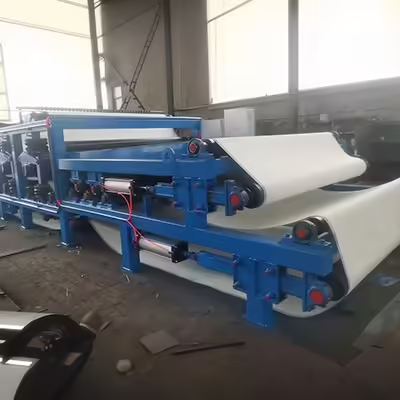
This type is specifically engineered for sediment-heavy sludge such as river dredging or construction waste.
It maintains stable performance even with high solid content and abrasive materials.
Mine Sludge Belt Filter Press
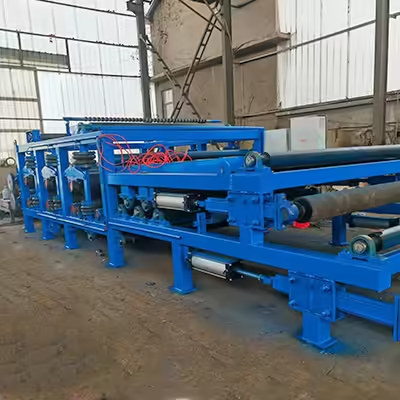
Used in mining operations, this system handles slurry and tailings efficiently while enabling water recovery.
It is designed to withstand harsh working conditions and heavy loads.
Plate and Frame Filter Press
This traditional system operates in batch mode and applies high pressure to achieve lower moisture content.
It is suitable for applications requiring maximum dryness but may have lower throughput.
Screw Press Systems
Screw presses use mechanical extrusion to remove water from sludge.
They are compact, easy to maintain, and suitable for smaller facilities or decentralized systems.
Working Principle of a Filter Press
Gravity Filtration Stage
Sludge is distributed onto a moving belt where free water drains naturally. This stage reduces the load on subsequent processing.
Pressure Filtration Stage
The sludge passes through rollers that apply increasing pressure, extracting deeper moisture.
Cake Formation
The final output is a dense sludge cake with significantly reduced moisture content, making it easier to transport and dispose.
Comparison of Dewatering Technologies
| Technology | Operation Type | Moisture Reduction | Energy Consumption | Best Use Case |
|---|---|---|---|---|
| Belt Filter Press | Continuous | Medium-High | Low | Municipal & industrial |
| Plate Filter Press | Batch | High | Medium | High-solid sludge |
| Screw Press | Continuous | Medium | Low | Small-scale plants |
| Centrifuge | Continuous | Medium | High | High-speed processing |
Belt filter presses often provide the best balance between efficiency, cost, and operational simplicity.
Key Features to Look for in Filter Press for Sale
Automation and Control Systems
Modern systems include PLC controls and automated monitoring to ensure stable operation and reduce manual labor.
Material Quality
High-quality materials such as stainless steel improve corrosion resistance and extend equipment lifespan.
Energy Efficiency
Advanced designs optimize energy usage, reducing operational costs over time.
Capacity and Scalability
Systems should be scalable to meet future expansion needs while maintaining consistent performance.
Advanced Technical Parameters
Processing Capacity
Most industrial systems process between 5 and 100 cubic meters per hour depending on application.
Moisture Reduction Rate
Typical final moisture content ranges from 60% to 80%, depending on sludge characteristics.
Chemical Conditioning
Polymers are often used to enhance flocculation and improve dewatering efficiency.
Application Scenarios in Wastewater Treatment
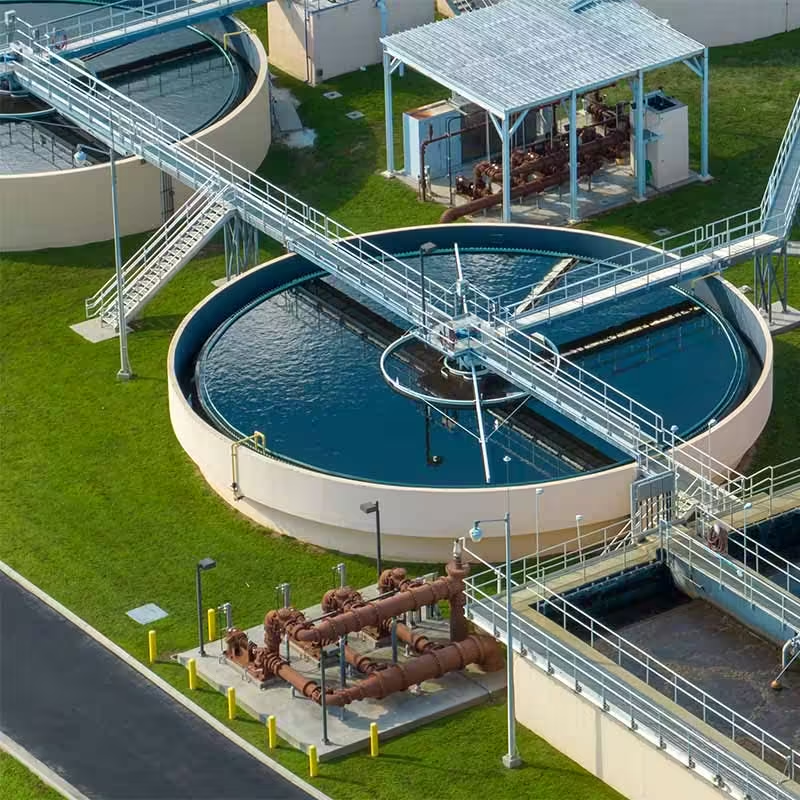
Municipal Wastewater Plants
Filter presses reduce biosolid volume and help meet environmental regulations efficiently.
Industrial Wastewater Treatment
Industries such as textiles, chemicals, and food processing rely on filter presses for compliance and cost control.
Mining and Metallurgy
Filter presses handle slurry and tailings, enabling water recovery and reducing environmental impact.
Construction and Infrastructure
Used for sludge generated from excavation and tunneling projects, improving on-site waste management.
Environmental Compliance and Standards
Global Regulations
- EPA standards (United States)
- EU environmental directives
- ISO 14001 environmental management
These frameworks ensure safe and sustainable wastewater treatment practices.
Discharge Control
Efficient dewatering reduces environmental risks such as leachate and contamination.
Cost Analysis: Investment vs Long-Term Value
Initial Investment
Costs vary depending on equipment size, automation level, and capacity.
Operational Costs
Includes energy, maintenance, and chemical usage.
Long-Term Savings
- Reduced sludge volume by up to 90%
- Lower transportation and disposal costs
- Improved operational efficiency
A well-selected filter press offers strong return on investment.
Case Study: Wastewater Plant Optimization
A municipal treatment facility upgraded to a belt filter press system and achieved:
- 40% reduction in sludge volume
- 25% increase in processing efficiency
- Improved compliance with environmental standards
This demonstrates the value of investing in advanced filter press technology.
Maintenance and Operational Best Practices
Routine Inspection
Regularly inspect belts, rollers, and structural components to ensure reliability.
Cleaning Systems
Automated cleaning improves filtration efficiency and extends equipment life.
Preventive Maintenance
Scheduled servicing minimizes downtime and reduces long-term costs.
Filter Press vs Alternative Technologies
Filter Press vs Centrifuge
Filter presses are more energy-efficient and cost-effective, while centrifuges offer faster processing.
Filter Press vs Drying Beds
Drying beds require more time and space, whereas filter presses provide faster, controlled results.
Future Trends in Filter Press Technology
Smart Automation
Integration of IoT systems allows real-time monitoring and predictive maintenance.
Energy Optimization
New designs focus on reducing power consumption while maintaining performance.
Sustainability
Eco-friendly designs and materials are becoming standard in modern equipment.
Industry Insights and Market Trends
- Global sludge treatment demand is growing steadily
- Environmental regulations are becoming stricter
- Automation is driving efficiency improvements
These trends highlight the importance of investing in modern filter press systems.
Conclusion
Choosing the right filter press for sale is essential for efficient wastewater treatment and long-term cost savings. From reducing sludge volume to ensuring regulatory compliance, the benefits are substantial.
By understanding equipment types, comparing technologies, and following best practices, businesses can improve operational efficiency and sustainability. Investing in advanced filter press systems is a strategic step toward smarter wastewater management.
FAQ
What is the best filter press for wastewater treatment?
Belt filter presses are ideal for continuous large-scale operations, while plate presses provide higher dryness.
How much does a filter press cost?
Costs vary widely depending on size, capacity, and automation level.
How do I choose the right filter press?
Consider sludge type, required capacity, available space, and budget.
Is a filter press energy efficient?
Yes, especially compared to centrifuges, making it a cost-effective solution.
How long does a filter press last?
With proper maintenance, systems typically last 10 to 20 years.