
Key Takeaways for This Guide
- Overview of global Waste Incineration Standards
- Differences between medical, industrial, and municipal waste regulations
- High-temperature combustion, emission limits, and environmental controls
- Latest international guidelines and regulatory updates
- Operational best practices and certified operator protocols
- Comparison of incineration vs alternative technologies
- Real-world case studies, industrial benchmarks, and white paper insights
- Health and safety considerations
- FAQ for quick reference
Every year, billions of tons of waste are generated worldwide, including medical, industrial, and municipal waste. Improper disposal can lead to environmental contamination, air pollution, and public health hazards. Modern waste incineration provides an efficient solution, converting hazardous materials into inert ash, water vapor, and carbon dioxide. However, simply installing an incinerator is not enough. Compliance with Waste Incineration Standards is crucial to ensure emissions are safe, waste is completely neutralized, and operations meet legal and environmental requirements.
This guide dives deep into global incineration regulations, high-temperature combustion, emission control technologies, operational best practices, and emerging trends in sustainable waste management.
Table of Contents
Understanding Waste Incineration Standards
What Are Waste Incineration Standards?
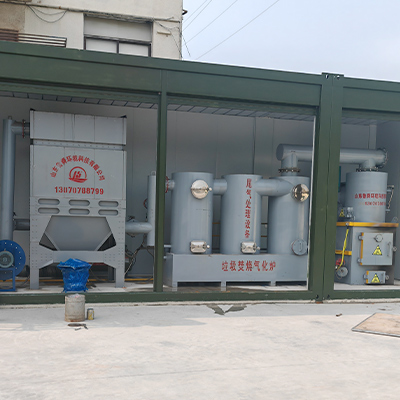
Waste Incineration Standards are legal and technical requirements that govern how different types of waste should be burned. They aim to:
- Reduce the release of toxic pollutants like dioxins, furans, mercury, and heavy metals
- Ensure complete destruction of pathogens and hazardous compounds
- Regulate incineration equipment, operational parameters, and monitoring procedures
These standards are critical for protecting public health and the environment, particularly in densely populated regions or industrial areas.
Waste Classification and Regulatory Implications
Medical Waste
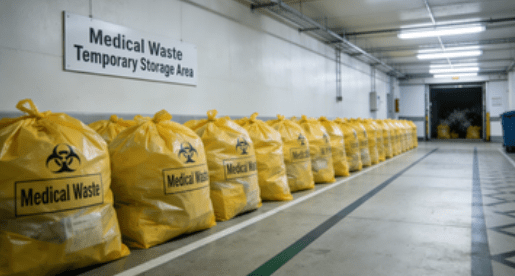
Medical waste includes infectious materials such as syringes, contaminated PPE, surgical dressings, and pharmaceutical residues. According to WHO, approximately 15% of healthcare waste is hazardous. Effective incineration ensures:
- Pathogen neutralization
- Chemical detoxification
- Volume reduction up to 90%
Industrial Waste
Industrial waste encompasses chemical byproducts, heavy metals, solvents, and manufacturing residues. Improper disposal can contaminate soil and water. Compliance with local Waste Incineration Standards ensures safe thermal decomposition of hazardous substances.
Municipal Solid Waste (MSW)
Household and commercial solid waste may contain plastics, batteries, and small quantities of hazardous materials. Incineration reduces volume, generates energy, and minimizes landfill use.
Global Waste Incineration Standards Overview
United States – EPA HMIWI Standards
The U.S. EPA defines Hospital/Medical/Infectious Waste Incinerator (HMIWI) regulations under Section 129 of the Clean Air Act:
- Temperature: 850–1200°C
- Dioxins/furans: 0.03 ng/dscm
- Mercury: 0.55 mg/dscm
- Continuous emission monitoring (CEM) required
- Operator training and emission reporting mandatory
Historical Context: In 1997, the EPA’s federal rule reduced dioxin emissions from medical waste incinerators by up to 95% and mercury by 94%.
For more information, please visit:《Hospital, Medical, and Infectious Waste Incinerators (HMIWI): New Source Performance Standards (NSPS), Emission Guidelines, and Federal Plan Requirements Regulations》
European Union – Waste Incineration Directive (WID)
The EU Waste Incineration Directive focuses on environmental protection and energy recovery:
- Temperature: 850–1100°C
- Particulate matter: <10 mg/m³
- Dioxins: 0.1 ng/m³
- Mandatory energy recovery for new incineration plants
- Regular inspections to ensure operational compliance
Japan – Industrial Waste Incineration Act
Japan’s IWIA is highly detailed, especially for chemical and industrial waste:
- Temperature: 900–1200°C
- Emission controls: NOx, SOx, HCl, heavy metals
- Advanced flue gas treatment required
- Operator certification is mandatory
Emerging Standards in Asia-Pacific
- China: National Standard GB 18484-2001 requires medical waste incinerators to reach 850°C for ≥2 seconds, with dioxin emissions <0.1 ng/m³
- India: Biomedical Waste Management Rules 2016 require double-chamber incinerators with temperature monitoring and emission records
- Australia: AS 4011-2005 regulates energy recovery, emissions, and operator qualifications
High-Temperature Combustion and Thermal Oxidation
Why High-Temperature Combustion Is Critical
- Destroys all infectious agents including bacteria, viruses, spores
- Breaks down pharmaceutical residues and chemical compounds
- Reduces waste volume, saving storage space and lowering transportation costs
Optimal Combustion Parameters:
- Temperature: 850–1200°C
- Residence Time: 2–3 seconds at peak temperature
- Oxygen Supply: 12–15% for complete oxidation
Emission Control Technologies
Scrubbers
Neutralize acidic gases like HCl and SOx before release. Wet and dry systems are common depending on waste type.
Catalytic Converters
Reduce dioxin and furan emissions by converting them to CO₂ and H₂O.
HEPA Filters and Activated Carbon
Capture particulates, heavy metals, and organic toxins, ensuring emissions remain below regulatory thresholds.
Continuous Emission Monitoring (CEM)
Real-time monitoring of temperature, oxygen, and pollutant concentrations helps operators maintain compliance.
Waste Incineration Standards Compliance Checklist
| Parameter | US EPA HMIWI | EU WID | Japan IWIA |
|---|---|---|---|
| Combustion Temp | 850–1200°C | 850–1100°C | 900–1200°C |
| Dioxins | 0.03 ng/dscm | 0.1 ng/m³ | 0.05 ng/m³ |
| Mercury | 0.55 mg/dscm | 0.05 mg/m³ | 0.05 mg/m³ |
| Operator Training | Mandatory | Recommended | Mandatory |
| Emission Monitoring | Continuous | Periodic | Continuous |
| Energy Recovery | Optional | Recommended | Optional |
Best Practices for Safe and Compliant Operations
Waste Segregation
Segregate hazardous, medical, and municipal waste to prevent incomplete combustion or cross-contamination.
Routine Equipment Maintenance
- Inspect and clean combustion chambers
- Maintain scrubbers and catalytic converters
- Calibrate sensors and monitoring equipment
Staff Training
Operators must complete certified training, learn emergency protocols, and understand regulatory standards.
Documentation
Maintain logs for:
- Daily temperature and oxygen readings
- Waste types processed
- Emission data for audits
Comparing Incineration With Alternative Technologies
| Technology | Advantages | Limitations |
|---|---|---|
| Waste Incineration | Complete sterilization, high volume reduction | High cost, strict emission control required |
| Autoclaving | Low emissions, energy-efficient | Ineffective for chemical or pharmaceutical waste |
| Microwave Treatment | Effective for infectious waste | Partial chemical detoxification |
| Chemical Treatment | Small batch disinfection | Residual chemicals, incomplete pathogen neutralization |
Insight: Incineration is the most comprehensive method for mixed waste streams containing biological, chemical, and pharmaceutical materials.
Case Studies and Industry Applications
Hospital Implementation
- Location: New York, USA
- System: Continuous-feed Medical Waste Incinerator
- Results:
- 88% volume reduction
- Emissions below EPA limits
- Improved workflow for staff
Industrial Facility
- Location: Germany
- System: High-temperature industrial incinerator with advanced flue gas scrubbers
- Results:
- 90% reduction in dioxin emissions
- Compliance with EU WID standards
- Reduced disposal costs by 20%
Mobile and Emergency Deployment
- Field hospitals during COVID-19 used mobile incinerators for safe disposal of infectious waste
- Maintained combustion above 850°C, ensuring pathogen destruction
- Demonstrated portability without sacrificing compliance
Global Trends and White Papers
- WHO 2023 Report: 15% of healthcare waste is hazardous; proper incineration prevents contamination.
- UNEP 2024 Study: Hybrid incineration with energy recovery can reduce greenhouse gas emissions by 25%.
- Journal of Hazardous Materials 2023: Continuous emission monitoring increases compliance rates by 40% in industrial incinerators.
- IEA 2022 Energy Report: Energy recovery from municipal incinerators contributes 5–8% of local electricity demand in European cities.
Health and Safety Considerations
- Operators should wear PPE: gloves, respirators, goggles, and heat-resistant clothing
- Emergency procedures for fire, toxic leaks, or equipment malfunction
- Regular health checks for staff exposed to emissions
FAQ
Q1: What laws regulate waste incineration standards?
US EPA HMIWI, EU WID, Japan IWIA, and local regulations define emission limits and operational requirements.
Q2: Can all types of waste be incinerated?
Yes, with specialized systems, hazardous, medical, pharmaceutical, and municipal waste can be safely burned.
Q3: How often should emissions be monitored?
Continuous monitoring is preferred. Formal testing is typically quarterly or annually.
Q4: Are there alternatives to incineration?
Yes, autoclaves, microwave, and chemical treatment exist, but they are less comprehensive.
Q5: What safety gear should operators use?
Operators must wear gloves, respirators, goggles, and heat-resistant clothing.
Conclusion
Adhering to Waste Incineration Standards is critical for safe, compliant, and environmentally responsible waste management. From high-temperature combustion to advanced emission controls and operator training, modern incineration technology ensures:
- Complete sterilization of infectious and chemical waste
- Significant volume reduction for easier disposal
- Compliance with international and local regulations
- Protection of public health and the environment
By adopting best practices, monitoring emissions, and keeping abreast of new standards and technologies, facilities can optimize operations and minimize environmental impact. The integration of hybrid systems, energy recovery, and continuous emission monitoring represents the future of sustainable incineration solutions worldwide.