
Table of Contents
Introduction
In today’s world, waste management is more than just disposal — it’s about sustainability, energy recovery, and regulatory compliance. Waste incineration has become a cornerstone technology, reducing landfill usage while generating electricity and heat. However, emissions from incinerators can pose significant environmental and health risks if not properly controlled.
Operators, investors, and policymakers need to understand waste incineration emission standards to ensure facilities are compliant, safe, and efficient. Globally, stricter regulations are being enforced, and facilities that adopt modern emission control technologies not only reduce pollutants but also improve energy recovery efficiency. According to the International Solid Waste Association (ISWA), modern incineration plants can cut waste volume by 70–90% while reducing toxic emissions to levels below most legal limits.
This comprehensive guide covers everything you need to know about waste incineration, including emission types, international standards, technologies, and best practices for compliance.
Understanding Waste Incineration: Concepts and Benefits
What is Waste Incineration?
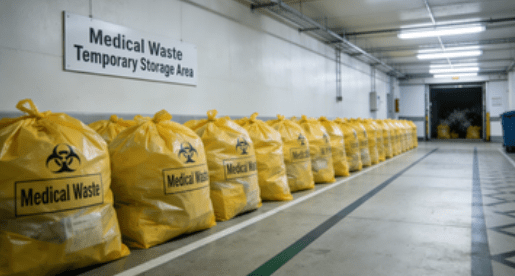
Waste incineration is the controlled combustion of solid, hazardous, or medical waste at high temperatures (typically 850–1200°C). This process converts organic matter into CO₂, water vapor, and ash while recovering energy in the form of heat or electricity.
Why Waste Incineration Matters
- Reduces landfill volume by 70–90%
- Destroys hazardous compounds that may leach into soil
- Supports energy recovery through combined heat and power (CHP) systems
Environmental Concerns
Without proper control, emissions can include particulate matter, nitrogen oxides (NOx), sulfur oxides (SOx), heavy metals, and dioxins, all of which have significant health and environmental impacts.
Types of Emissions from Waste Incineration
Particulate Matter (PM)

Fine particles that can penetrate the respiratory system, causing chronic lung disease and cardiovascular issues. Modern facilities use electrostatic precipitators and bag filters to reduce PM concentrations to below 10 mg/m³ in Europe.
Nitrogen Oxides (NOx)

Produced from combustion of nitrogen in waste, NOx contributes to smog and acid rain. Typical emission limits range from 100–200 mg/m³ depending on regional regulations.
Sulfur Oxides (SOx)

Formed from sulfur-containing materials in waste. SOx contributes to acid rain and respiratory irritation. Scrubbers and flue gas desulfurization units are standard mitigation technologies.
Dioxins and Furans

Highly toxic compounds generated from incomplete combustion. Modern plants aim for levels below 0.1 ng/m³ (EU standard) or 0.013 ng/m³ (US EPA standard).
Carbon Monoxide (CO)
Indicator of incomplete combustion. Continuous monitoring ensures CO levels remain below 50 mg/m³ in high-efficiency incinerators.
Heavy Metals
Lead, cadmium, mercury, and arsenic are common concerns. Activated carbon injection and advanced filtration systems can reduce emissions by over 95%.
Global Waste Incineration Standards
Different countries have unique approaches to waste incineration regulations. Compliance requires understanding local rules, pollutant limits, and monitoring requirements.
European Union (EU)
The EU Waste Incineration Directive (2000/76/EC) establishes stringent limits:
- Dioxins and furans: ≤0.1 ng/m³
- NOx: ≤200 mg/m³
- PM: ≤10 mg/m³
- SOx: ≤50 mg/m³
EU plants must use continuous emission monitoring (CEMS) and report annual emissions. Secondary measures like selective catalytic reduction (SCR) and activated carbon injection are widely used.
United States
Under the Clean Air Act, the EPA enforces the Maximum Achievable Control Technology (MACT) standards:
- Dioxins and furans: ≤0.013 ng/m³
- Mercury: ≤0.03 mg/m³
- PM: ≤18 mg/m³
U.S. facilities often employ baghouses, wet scrubbers, and mercury capture systems to comply.
Japan
Japan sets highly strict emission limits for waste incineration due to dense urban populations:
- Dioxins: ≤0.1 ng/m³
- NOx: ≤100 mg/m³
- SOx: ≤30 mg/m³
- PM: ≤10 mg/m³
Japanese incinerators frequently use high-temperature rotary kilns with advanced flue gas cleaning systems.
China
China’s Ministry of Ecology and Environment regulates municipal solid waste (MSW) incinerators:
- Dioxins: ≤0.1 ng/m³
- NOx: ≤150 mg/m³
- PM: ≤20 mg/m³
- SOx: ≤50 mg/m³
Recent updates emphasize energy recovery efficiency and public transparency of emission data.
Emission Standards Comparison Table
| Pollutant | EU Limit | US EPA Limit | Japan Limit | China Limit |
|---|---|---|---|---|
| Dioxins (ng/m³) | ≤0.1 | ≤0.013 | ≤0.1 | ≤0.1 |
| NOx (mg/m³) | ≤200 | ≤150 | ≤100 | ≤150 |
| PM (mg/m³) | ≤10 | ≤18 | ≤10 | ≤20 |
| SOx (mg/m³) | ≤50 | ≤50 | ≤30 | ≤50 |
| CO (mg/m³) | ≤50 | ≤50 | ≤50 | ≤50 |
Insight: While regional limits vary, all regulations are trending stricter, requiring investment in advanced emission control technologies.
Technologies for Low-Emission Waste Incineration
Moving Grate Incinerators
Used in municipal solid waste management. Moderate emission reduction efficiency, suitable for mixed waste streams.
Fluidized Bed Incinerators
High combustion efficiency, capable of handling industrial and hazardous waste with lower NOx and PM emissions.
Rotary Kiln Incinerators
Ideal for hazardous and medical waste. High temperatures and long residence time ensure minimal dioxin formation.
Gasification and Pyrolysis
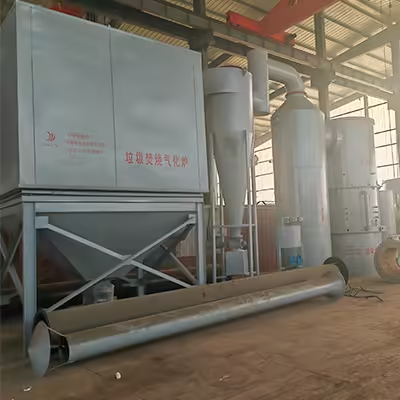
Convert waste into syngas and char with very low emissions. Increasingly used for energy recovery with reduced environmental impact.
Emission Reduction Techniques
Advanced Combustion Control
Maintaining optimal temperature, oxygen levels, and residence time reduces CO, dioxins, and unburned hydrocarbons.
Flue Gas Cleaning
- Electrostatic precipitators and bag filters remove particulate matter.
- Wet/dry scrubbers control SOx and acid gases.
- Activated carbon captures dioxins, furans, and mercury.
Continuous Monitoring
CEMS enables real-time tracking and automatic adjustment of combustion parameters.
Energy Recovery Integration
Combined heat and power (CHP) systems allow energy generation while controlling emissions efficiently.
Real-World Case Studies
Case 1: Germany’s MSW Incinerator Retrofit
- Dioxin emissions reduced from 0.12 ng/m³ to 0.08 ng/m³ using activated carbon injection.
- NOx reduced by 25% with SCR installation.
- Energy recovery efficiency improved to 25% of total waste calorific value.
Case 2: South Korea Hazardous Waste Plant
- Rotary kiln implementation lowered NOx and PM by 30%.
- Compliance with national emission limits while producing 50 MWh/day of electricity.
Case 3: U.S. Medical Waste Incinerator
- Mercury emissions reduced by 90% using dedicated mercury capture units.
- Dioxins maintained below 0.013 ng/m³.
Common Mistakes and Prevention
Mistakes
- Overloading incinerators beyond design capacity
- Using outdated flue gas cleaning systems
- Ignoring calibration and maintenance schedules
- Neglecting local regulation changes
Prevention
- Invest in modern, high-efficiency incinerators
- Implement regular maintenance and monitoring
- Train staff on emission control and emergency response
- Conduct regular audits and regulatory reporting
Conclusion
Understanding waste incineration emission standards is crucial for facility operators, investors, and regulators. By selecting advanced incineration technology, implementing robust flue gas treatment systems, and adhering to global best practices, facilities can reduce pollutants, recover energy, and comply with increasingly strict regulations.
Investing in modern incineration systems not only ensures environmental compliance but also provides operational efficiency and long-term sustainability.
Contact for Solutions
For expert guidance on low-emission waste incineration solutions, technology integration, and compliance strategies, contact leading industry providers specializing in modern incineration technologies.
FAQ
What are the main pollutants from waste incineration?
Particulate matter, NOx, SOx, dioxins, furans, CO, and heavy metals.
How often should emissions be monitored?
Continuous monitoring is standard for compliance; manual checks supplement for verification.
Which technologies provide the lowest emissions?
Rotary kiln, fluidized bed, and gasification technologies combined with flue gas treatment.
Can energy recovery coexist with strict emission control?
Yes. Modern CHP designs allow simultaneous energy recovery and compliance.
How do emission standards vary globally?
Limits differ for dioxins, NOx, SOx, PM, and CO, but all regions trend toward stricter controls.